
Last updated November 2, 2026
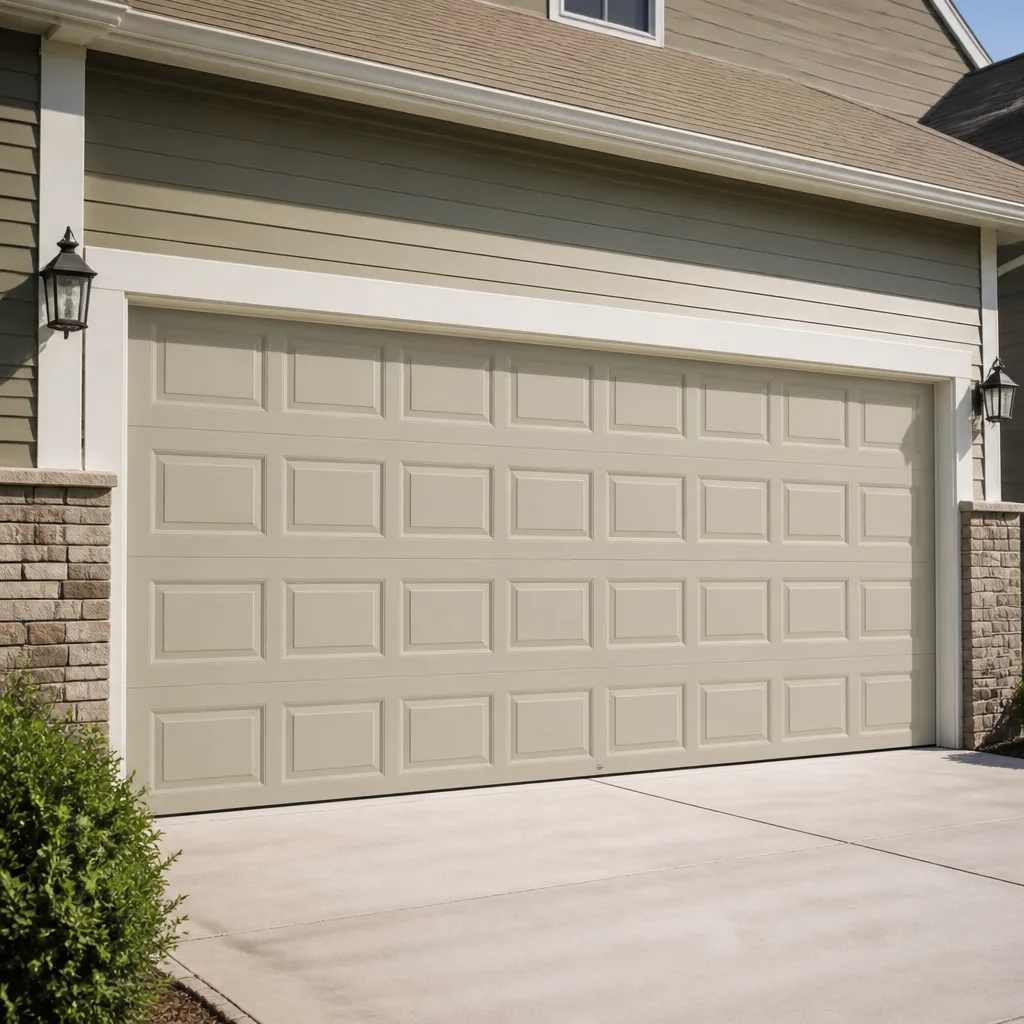 Raised-panel steel
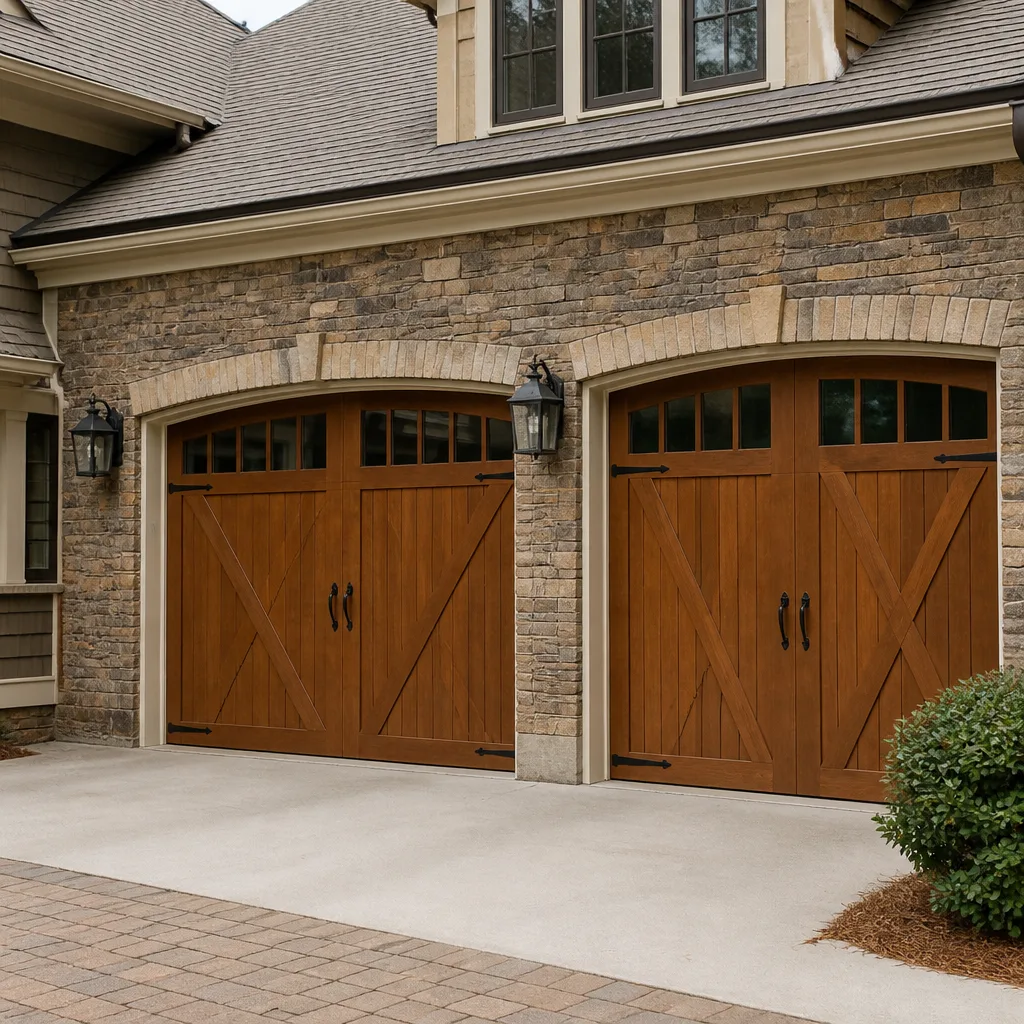 Carriage house
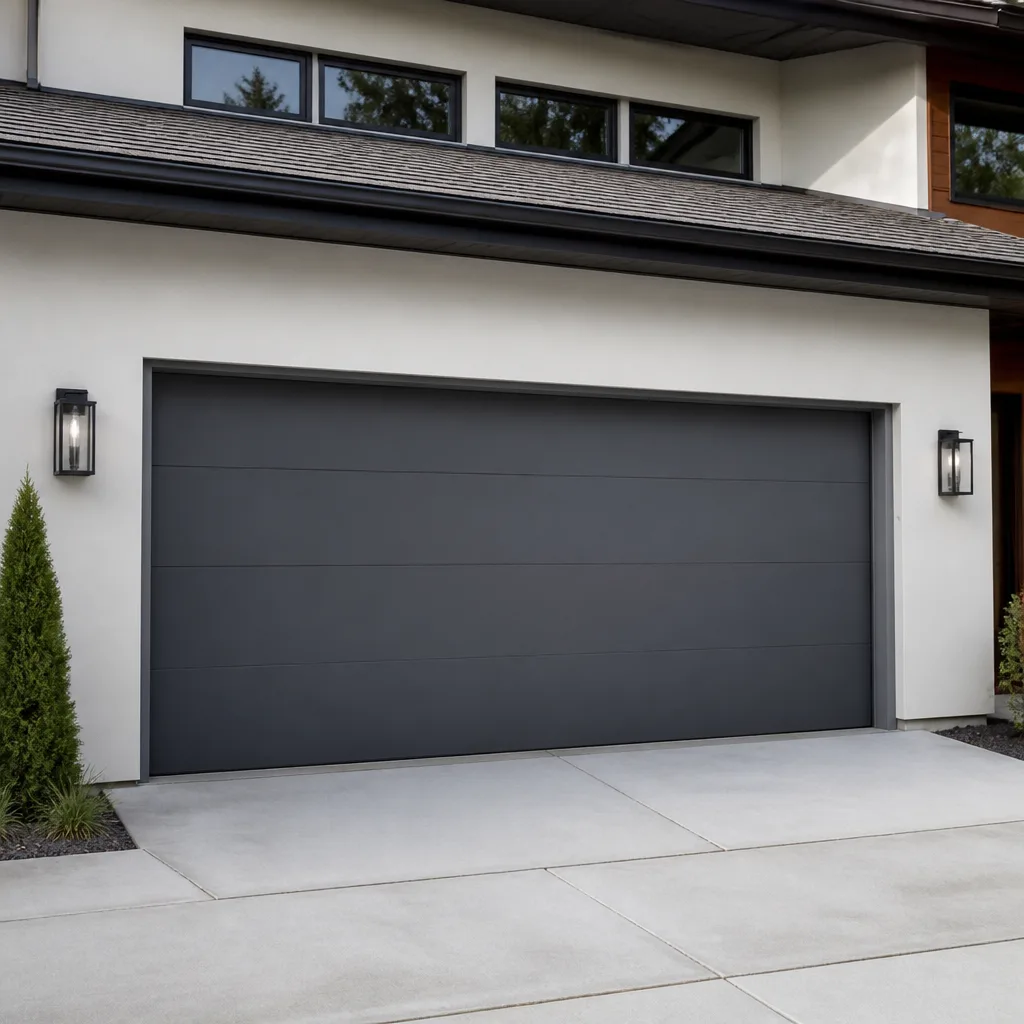 Modern flush
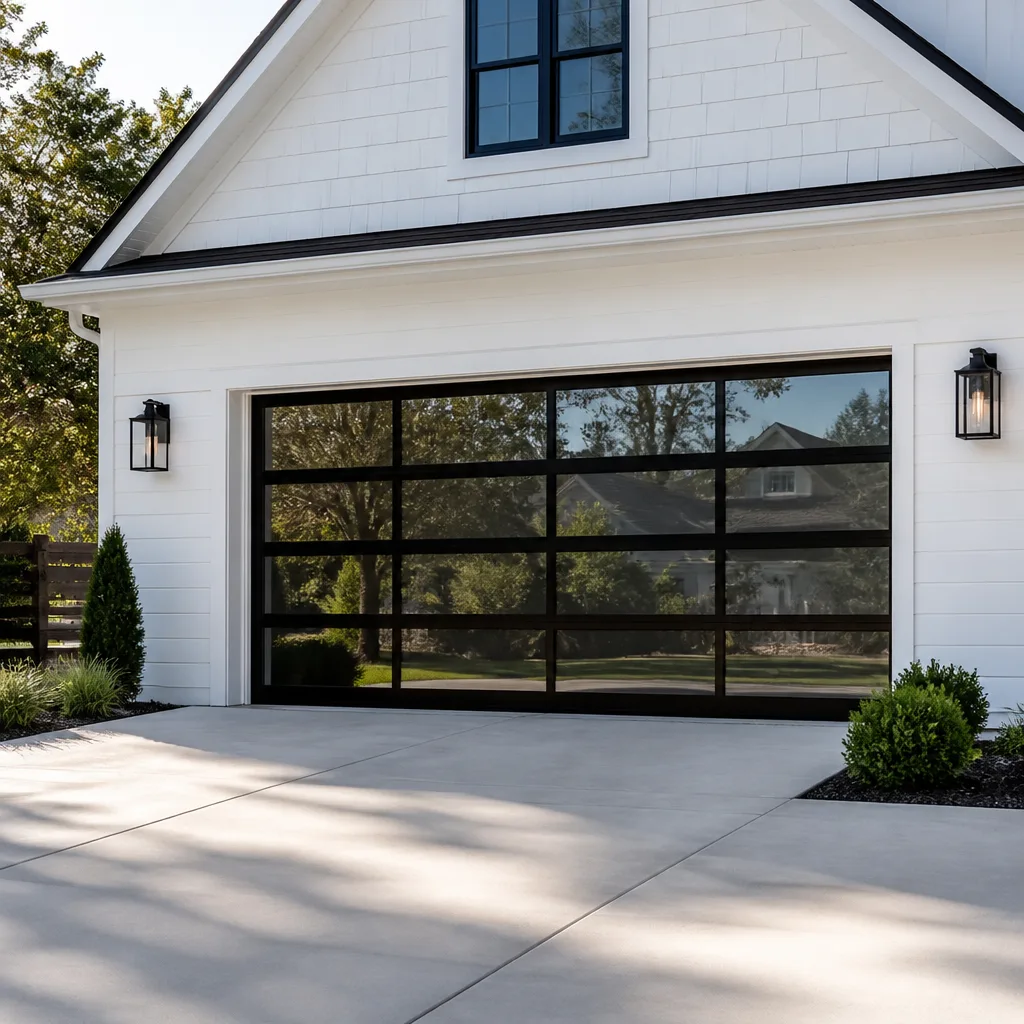 Full-view glass
 LiftMaster openers
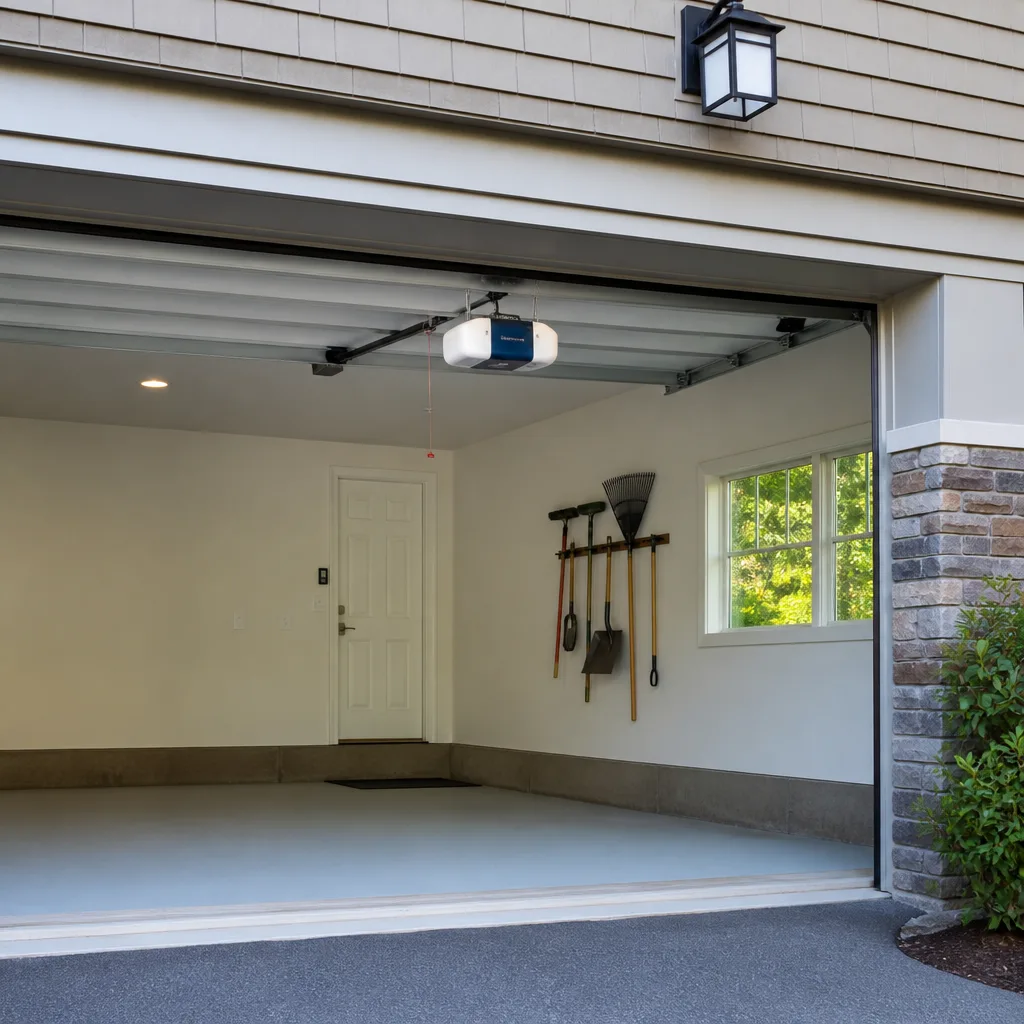 Chamberlain openers
Full 25-point door and opener safety check with every visit - springs, cables, rollers, tracks, and your LiftMaster or Chamberlain opener included
You get a price before we start. It does not change when the truck arrives.
Get your free estimateHow to Hire a Garage Door Contractor in Glendora: A Step-by-Step Guide
Most Glendora homeowners assume California regulates garage door contractors the way it regulates electricians or plumbers. It doesn’t. There is no dedicated garage door trade license issued by the state, which means the barrier to entry is a business card and a truck. That single fact explains why two quotes for the same spring repair in Glendora can be $400 apart, and why the cheaper bid often costs more by year two. This Complete Garage Door Repair Guide for Glendora Homeowners will give you the specific questions, document requests, and verification steps that separate a qualified multi-brand technician from someone who learned on YouTube. By the time you finish, you’ll know exactly how to run a license check in under a minute, what a legitimate written estimate must include under California law, and how to spot the warranty language games that show up on garage door quotes across the San Gabriel Valley.
Styles & brands we work with
- Raised-panel steel
- Carriage house
- Modern flush
- Full-view glass
- LiftMaster openers
- Chamberlain openers
Quick Answer
To hire a garage door contractor in Glendora, verify their CSLB license under classification C-61/D28, demand a written estimate that itemizes parts, labor, and brand names, and ask whether they service the specific opener or door brand you already own rather than pushing one product line. A contractor who quotes before seeing the door, offers only one brand, or won’t put spring-repair warranty terms in writing should be disqualified immediately.
Table of Contents
- Step 1: Verify the CSLB License (C-61/D28) in Under 60 Seconds
- Step 2: Ask the Brand Question That Exposes Single-Brand Shops
- Step 3: What a Legitimate Written Estimate Must Include
- Step 4: Read the Warranty Like a Contract, Because It Is One
- Step 5: Red Flags Specific to Garage Door Work
- Step 6: The 10 Questions to Ask Before You Sign
- Common Mistakes to Avoid
- When to Call a Professional
- Frequently Asked Questions
- The Bottom Line
Step 1: Verify the CSLB License (C-61/D28) in Under 60 Seconds
In California, garage door installation and repair falls under the Contractors State License Board’s C-61/D28 specialty classification: “Door and Lock Services.” A legitimate operator holds this classification as a limited specialty license or works under a general contractor who does. You can verify any contractor’s license at cslb.ca.gov by entering their name or license number. Here’s the process:
- Go to cslb.ca.gov and click “Check a License.”
- Enter the contractor’s name or license number.
- Look at the license status. “Active” means the license is currently valid and the contractor can legally work. “Clear” means no disciplinary actions have been taken against them. You want both words: Active and Clear.
- Click into the license detail and verify the classification includes C-61/D28 or that the contractor’s company holds a related specialty under an active general building license.
- Check the license issue date. A license issued three months ago is a different signal than one issued twelve years ago.
In Glendora, we’ve seen homeowners skip this step because the quote arrived on a professional-looking letterhead. A logo does not equal a license. The CSLB check takes less than a minute and immediately filters out the unlicensed operators who underbid everyone else and then disappear when a spring snaps a second time. If a contractor hesitates to give you their license number before visiting your home, that hesitation is your answer.
Step 2: Ask the Brand Question That Exposes Single-Brand Shops
Here’s the question that separates a specialist from a salesperson, as covered in our guide to choosing the right garage door brand in Glendora: “What brands do you service, and can you show me you work on my existing opener?” A contractor who answers with one brand name has told you everything you need to know. Single-brand shops operate under dealer agreements that pay them higher margins to push that manufacturer’s products. The incentive structure runs against your interest: a LiftMaster-only shop has every reason to tell you your Genie opener is “not worth repairing” because they make more money selling you a new LiftMaster. That’s not diagnosis. That’s distribution.
The garage door market in Glendora, like most of Los Angeles County, includes dozens of door and opener brands installed over decades. Homes built in the 1970s and 80s in neighborhoods north of Foothill Boulevard often have original wooden doors with hardware from brands that no longer exist. Homes in the newer developments south of the 210 carry Wayne Dalton or Garage Door Installation in Glendora doors with Chamberlain or Genie openers. A technician who actually knows multiple systems can tell you what’s repairable, what’s past its useful life, and what’s worth the money in between. A single-brand shop will always land on the same answer: replace it with ours.
At Garage Door Service Glendora home, we work on eight major brands: LiftMaster, Chamberlain, Genie, Clopay, Amarr, Wayne Dalton, Craftsman, and Raynor. That’s the mechanical door panel side and the motorized opener side covered as a complete system. When a homeowner calls us about a Wayne Dalton door that won’t lift, we troubleshoot the actual door, not the brand we’d prefer to sell.
Step 3: What a Legitimate Written Estimate Must Include
California Business and Professions Code requires that any home improvement contract over $500 include a written estimate with specific elements. Many Glendora garage door contractors, particularly the ones working from a truck without a physical shop, omit half of them. A legitimate written estimate for garage door work must include:
- The contractor’s CSLB license number printed on the document, not just on a business card.
- Detailed line items separating parts from labor. “Garage door repair: $450” is not a line item. “Torsion spring pair (1 3/4″ x 26″, 207 cycles): $180, labor: $220” is a line item.
- Specific part brands and models where applicable. Generic “spring replacement” tells you nothing about the cycle rating or whether you’re getting a 10,000-cycle spring for a 30,000-cycle price.
- Start and completion dates in writing.
- The total price including tax and any trip or diagnostic fees, with a clear statement that the price is quoted and agreed before any work starts.
- Warranty terms in writing, with the length and coverage of the parts warranty and labor warranty stated separately.
What most Glendora contractors omit is the brand and model of the parts going into your door. They quote “new rollers” without saying whether it’s a 10-ball nylon roller or a 5-ball steel roller. They quote “new opener” without specifying whether it’s a belt-drive Chamberlain or a chain-drive Genie. The fewer specifics on the estimate, the more room for the final invoice to drift upward.
One more thing worth knowing: a contractor who gives you a written estimate without actually measuring the rough opening of your garage is guessing. The rough opening dimension, measured between the framing studs on each side and from floor to header, determines what door size actually fits. Glendora homes built before California’s 1978 energy code changes often have non-standard rough openings, which means the “standard 16×7 door” a contractor quoted you over the phone may not fit the actual opening by an inch on each side. Measurements before quote. Always.
Step 4: Read the Warranty Like a Contract, Because It Is One
Garage door warranties are where legitimate contractors and marginal ones diverge sharply, and it’s a key focus of our Seasonal Garage Door Care for Glendora coverage. The confusion is deliberate in many cases because there are three separate warranties involved, and conflating them is the oldest sleight of hand in this trade:
- The door manufacturer warranty: This comes from Clopay, Amarr, or Wayne Dalton and covers manufacturing defects in the door panel and hardware. Terms vary by line: entry-level steel doors often carry a 3-year warranty, while premium wood-look or composite doors can carry 10 years or more. The contractor does not honor this warranty; the manufacturer does, through the contractor as intermediary.
- The parts warranty: This covers the specific components the contractor installs: springs, rollers, hinges, cables, and opener parts. A quality spring carries a cycle rating (10,000 cycles, 25,000 cycles), and the parts warranty should be tied to that rating, not a vague “lifetime” promise.
- The labor warranty: This covers the workmanship: whether the door was hung square, the tracks aligned, the opener logic board correctly programmed. Labor warranties are typically 1 year from reputable contractors; anything longer is unusual and worth reading carefully.
Here’s the sleight of hand: a contractor tells you “lifetime warranty on everything.” What they mean is the manufacturer’s lifetime warranty on one specific part, like a spring, while the labor warranty is 90 days and the door warranty is 3 years. That’s not a dishonest statement, but it’s a meaningful omission. When you get a quote in Glendora, ask three questions: What does the door manufacturer cover and for how long? What parts warranty do you provide and what’s the cycle rating on the springs? How long is the labor warranty? If the contractor can’t answer all three in writing, walk.
Step 5: Red Flags Specific to Garage Door Work
Some warnings are specific to this trade and won’t appear on generic “how to hire a contractor” lists. Here’s what we’ve seen cost Glendora homeowners real money:
- Verbal spring warranties. A contractor who says “springs are guaranteed for life” but won’t put it in writing is counting on you not calling back. Torsion springs fail based on cycle count, not time, and a verbal promise evaporates the day after install.
- “Lifetime” opener guarantees without manufacturer documentation. LiftMaster and Chamberlain offer specific warranty programs through authorized dealers. If a contractor promises a lifetime guarantee on an opener but can’t show you the manufacturer’s warranty certificate, they’re self-insuring a promise they have no intention of keeping.
- Quotes given without measuring the rough opening. A quote for a new door given over the phone or via email without a site visit is a placeholder, not a price. Expect the real number to arrive after the tech measures and finds the opening is 16 feet 2 inches, which requires a custom-width door at a 30-40% premium.
- Cash-only pricing. A contractor who wants cash and offers a discount for skipping the paper trail is not someone you can call in six months when the door sags. No invoice means no warranty claim.
- Pressure to replace instead of repair. If a technician looks at your door for 90 seconds and declares it “not worth fixing,” get a second opinion. Doors with rusted panels or structurally damaged sections may need replacement, but a door with worn rollers or a failed opener does not.
There’s also the “I have to charge you a diagnostic fee to tell you what’s wrong” approach. A diagnostic fee is reasonable; a diagnostic fee that’s not applied toward the repair if you proceed is not. Ask before the tech arrives: is the diagnostic fee waived or applied toward the repair if I approve the work?
Step 6: The 10 Questions to Ask Before You Sign
Here’s the complete question list we recommend Glendora homeowners run through before signing anything. Ask them in this order, and don’t volunteer the answers you’re looking for:
- Can I have your CSLB license number and verify the classification is C-61/D28?
- What door and opener brands do you service, and can you show me you work on my existing system?
- Will the estimate include specific part brands, models, and cycle ratings?
- What is the labor warranty on this repair, and will it be in writing?
- What is the parts warranty on this repair, and what’s the spring cycle rating?
- Do you apply the diagnostic fee toward the repair if I approve the work?
- Will you measure the rough opening before quoting a new door?
- Is the price quoted and agreed before any work starts, with no change orders unless I approve them in writing?
- Who handles the manufacturer warranty if the door or opener fails: you, or the manufacturer?
- What is the service response time if the door fails again within the warranty period?
Question 10 matters more than most people realize. A contractor who installs your door and then takes 3 weeks to come back when it fails within warranty is not honoring the warranty, they’re just hoping you’ll stop calling. Ask for the response time in writing. If they won’t put it in writing, assume the worst.
Glendora’s climate plays a role here too. The temperature swings between the foothills and the valley floor, plus the dry Santa Ana winds, put real stress on opener logic boards and spring metal fatigue. A contractor who’s been working in Glendora for years will tell you spring failures cluster in the fall when temperatures drop quickly. A contractor new to the area may not know that pattern, which means they’re learning on your door.
Common Mistakes to Avoid
- Hiring the first quote because it’s cheapest. The cheapest quote on a garage door repair in Glendora is often from an unlicensed operator working without insurance. If a spring fails and the door crushes a car or injures a person, you are liable. The license check exists for this reason.
- Accepting a verbal warranty. Nothing said in person survives the drive back to the shop. Get everything in writing, or don’t expect it to exist.
- Not verifying the brand of parts going into your door. “New rollers” can mean anything from a $2 steel roller to a $15 nylon-bearing roller. The difference shows up as a door that’s noise-free for a decade or a door that squeaks in six months.
- Skipping the rough opening measurement. Ordering a door that’s an inch too wide means a reorder, a restocking fee, and another 2-4 weeks of waiting. Measure first. Always.
- Ignoring the cycle rating on springs. A standard torsion spring lasts about 10,000 cycles, which for a Glendora family that opens the garage 4 times a day is roughly 7 years. If you’re being quoted a spring replacement without a cycle rating, you’re being quoted a number without a lifespan.
- Falling for “we service all brands” without proof. Ask which specific brands the contractor has repaired in the last month. A real multi-brand shop can answer instantly with specific examples like “three Chamberlain openers, two Clopay doors, and one Genie we rechained last week.” Vague answers mean the “all brands” claim is marketing copy.
When to Call a Professional
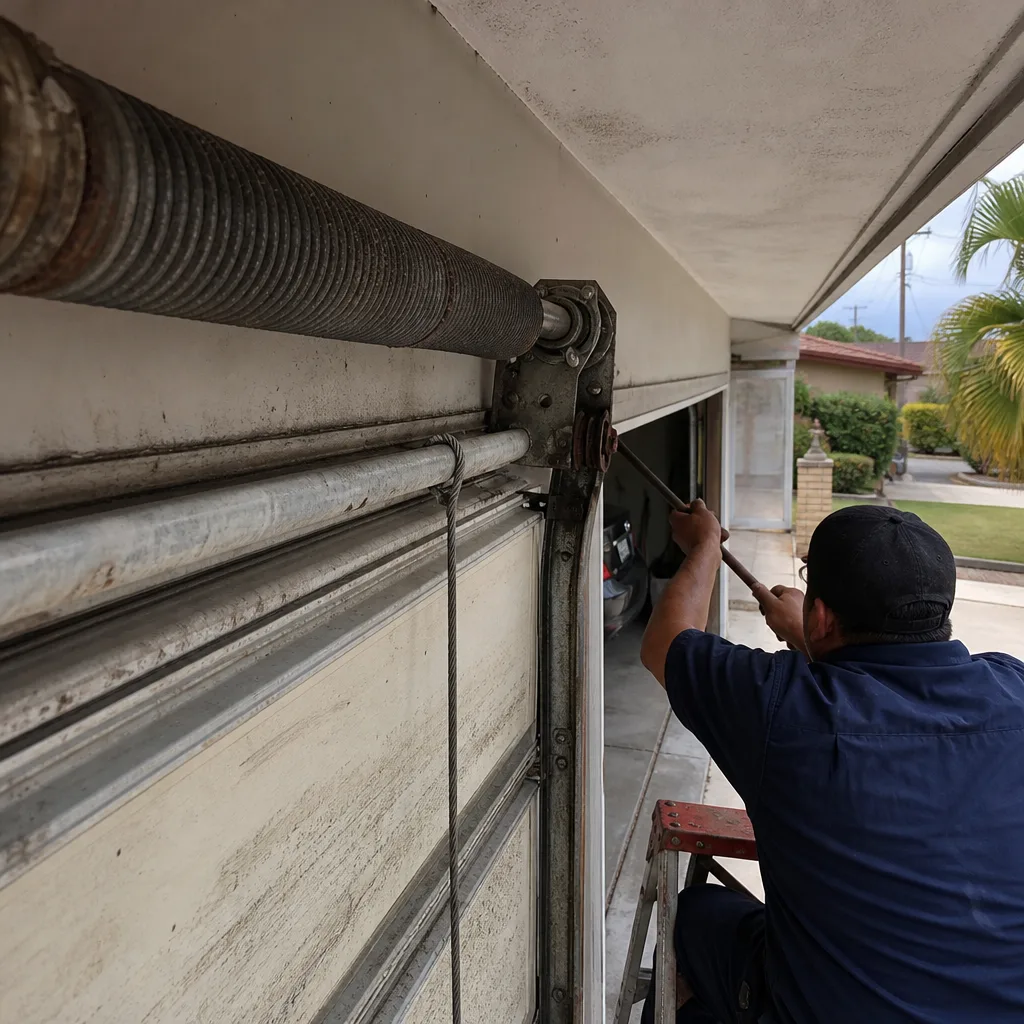
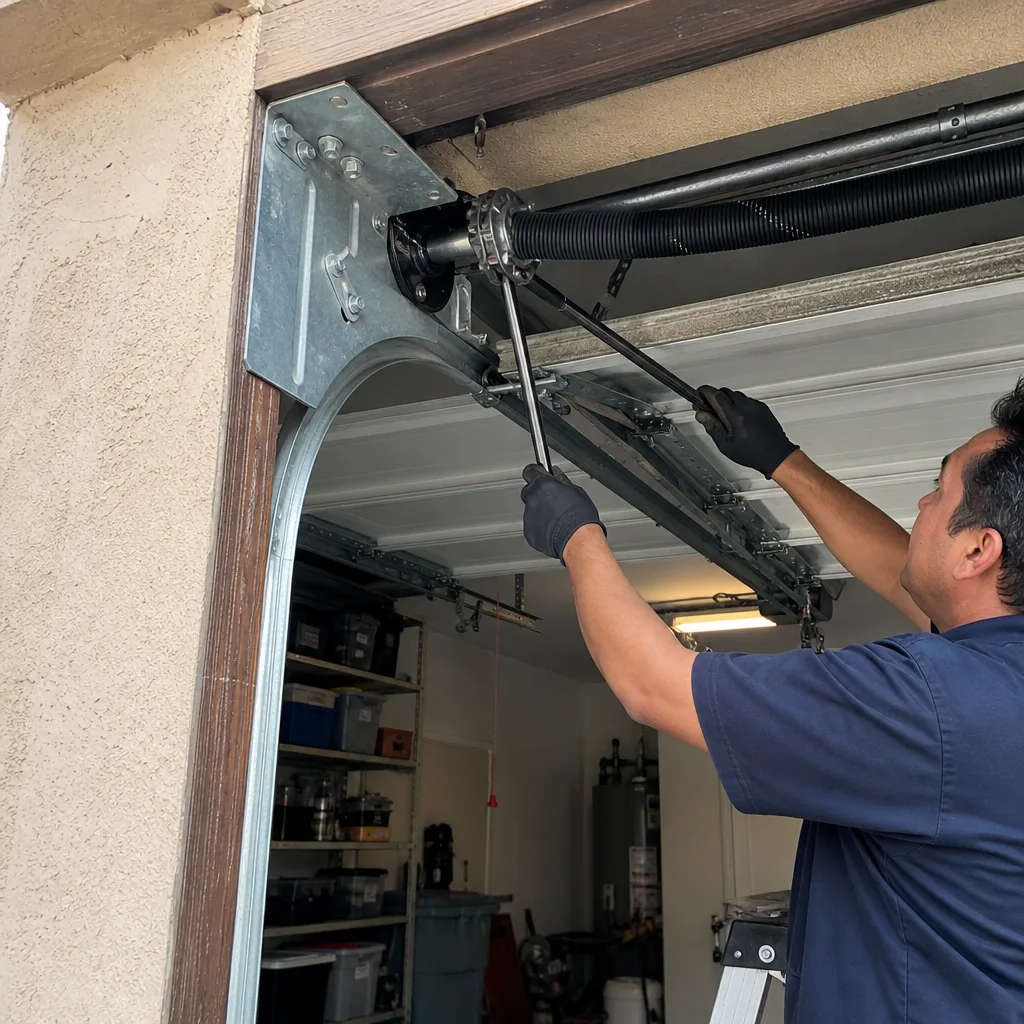
Some garage door situations in Glendora are genuinely dangerous, and no guide on hiring a contractor should pretend otherwise. Torsion springs are under 130-180 pounds of tension each, and when they fail, they release that energy in milliseconds. If your spring is visibly cracked, if the door is sagging on one side, if the cables are frayed, or if the door won’t stay up when opened halfway, do not attempt a repair. The high-tension components on a garage door system can cause serious injury or death when handled without the proper winding bars, training, and experience. Call a licensed contractor and have the system inspected properly.
The same applies to opener replacement when the existing unit is wired into a junction box rather than plugged into an outlet. Some older Glendora homes have hard-wired openers, and the electrical work requires a technician who understands the difference between low-voltage and line-voltage wiring. Garage Door Opener Repair in Glendora should always include a check of the opener’s power source and mounting hardware before any new unit goes in. Garage Door Service Glendora offers free estimates in Glendora – call (855) 382-3042.
Frequently Asked Questions
Garage door repair in Glendora typically costs $150-$450 for common issues like spring replacement, cable repair, or roller replacement, while full door installation runs $1,200-$3,500 depending on door size, material, and insulation rating. Opener replacement adds $450-$900 including installation. Call (855) 382-3042 for an exact quote – estimates are free.
Visit cslb.ca.gov, click “Check a License,” and enter the contractor’s name or license number. Look for “Active” status and “Clear” history, then verify the classification includes C-61/D28 (Door and Lock Services) or that the company operates under an active general building license. The entire check takes under 60 seconds.
No dedicated garage door trade license exists in California. Contractors operate under the CSLB C-61/D28 limited specialty classification or under a general contractor’s license. This is why running the license check matters so much: the absence of a trade-specific license means unlicensed operators can appear legitimate on a quote sheet.
A legitimate estimate includes the CSLB license number, line items separating parts from labor, specific part brands and cycle ratings where applicable, start and completion dates, total price including tax, and written warranty terms separated into door manufacturer warranty, parts warranty, and labor warranty. Anything less is a placeholder, not a price.
A standard torsion spring rated for 10,000 cycles lasts about 7 years for a Glendora household that opens the garage 4 times daily. Higher-cycle springs rated at 25,000 cycles can last 15+ years. The cycle rating matters more than the brand – ask for it in writing before agreeing to any spring replacement.
Most established Glendora garage door contractors can schedule same-day or next-day service for urgent repairs like broken springs or a door that won’t close. Installation work is different: new doors are measured, ordered, and scheduled, typically 1-3 weeks out. Call (855) 382-3042 to check current availability.
The Bottom Line
Hiring a garage door contractor in Glendora comes down to three verifications: the CSLB license check, the brand question, and the written estimate test. A contractor who passes all three has demonstrated they’re licensed, genuinely multi-brand, and willing to put prices and warranties in writing before work starts. A contractor who fails any one of them has given you a reason to keep looking. The garage door is the largest moving object on your home and the one component that, when it fails, makes the house unusable. The stakes justify the 10-minute verification process. We work on whatever brand you already own – LiftMaster, Chamberlain, Genie, Clopay, Amarr, Wayne Dalton, Craftsman, or Raynor – and we quote before we touch anything. Call (855) 382-3042 for a free estimate in Glendora.
Written by the team at Garage Door Service Glendora, serving Glendora since 2014.
See the difference
 Before
 After
 Before
 After
 Before
 After