
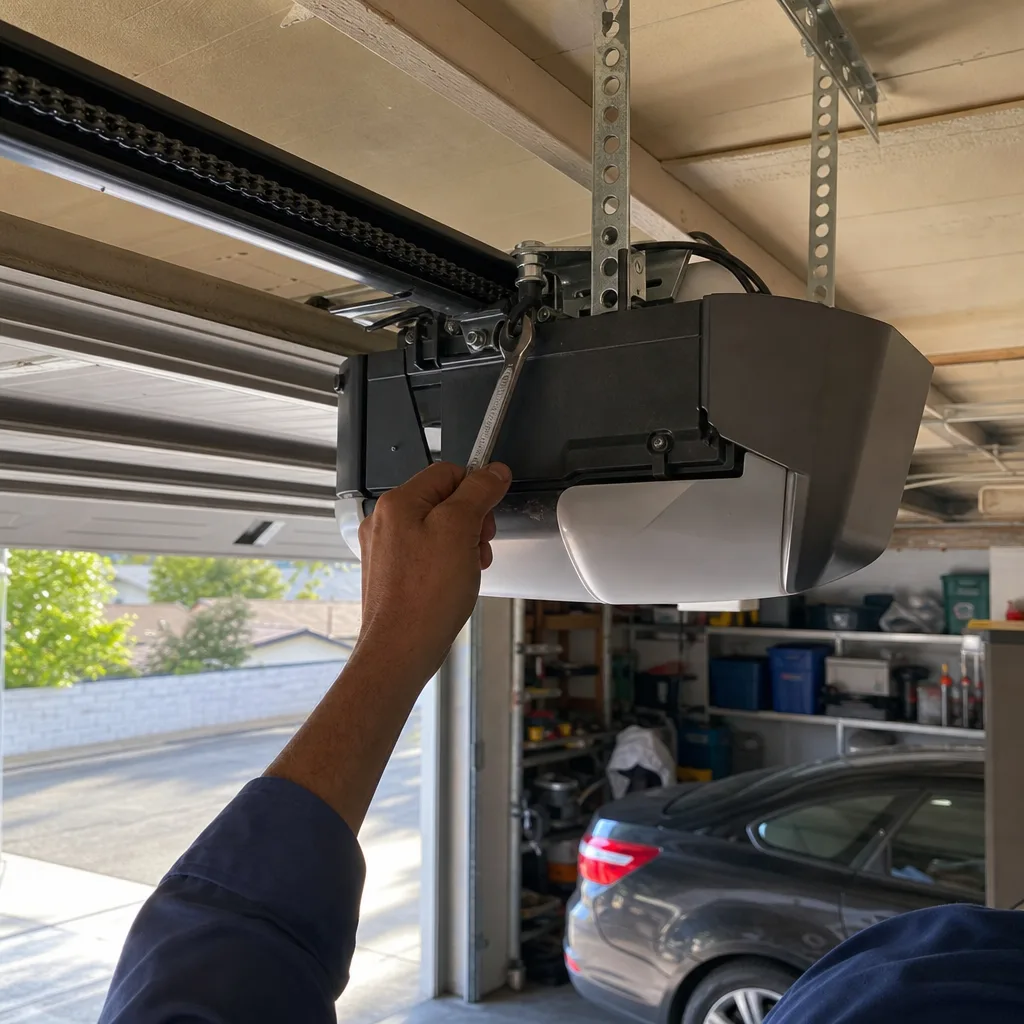
Last updated November 3, 2026
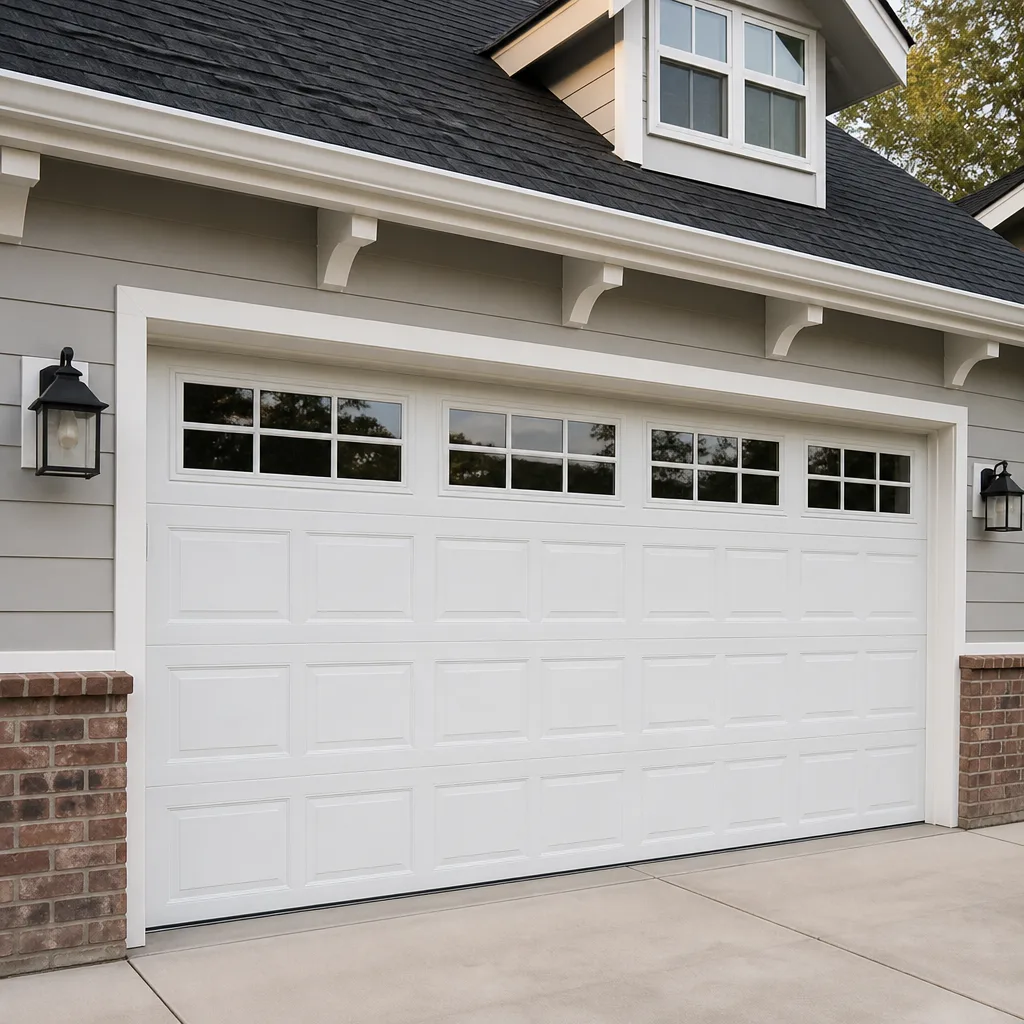
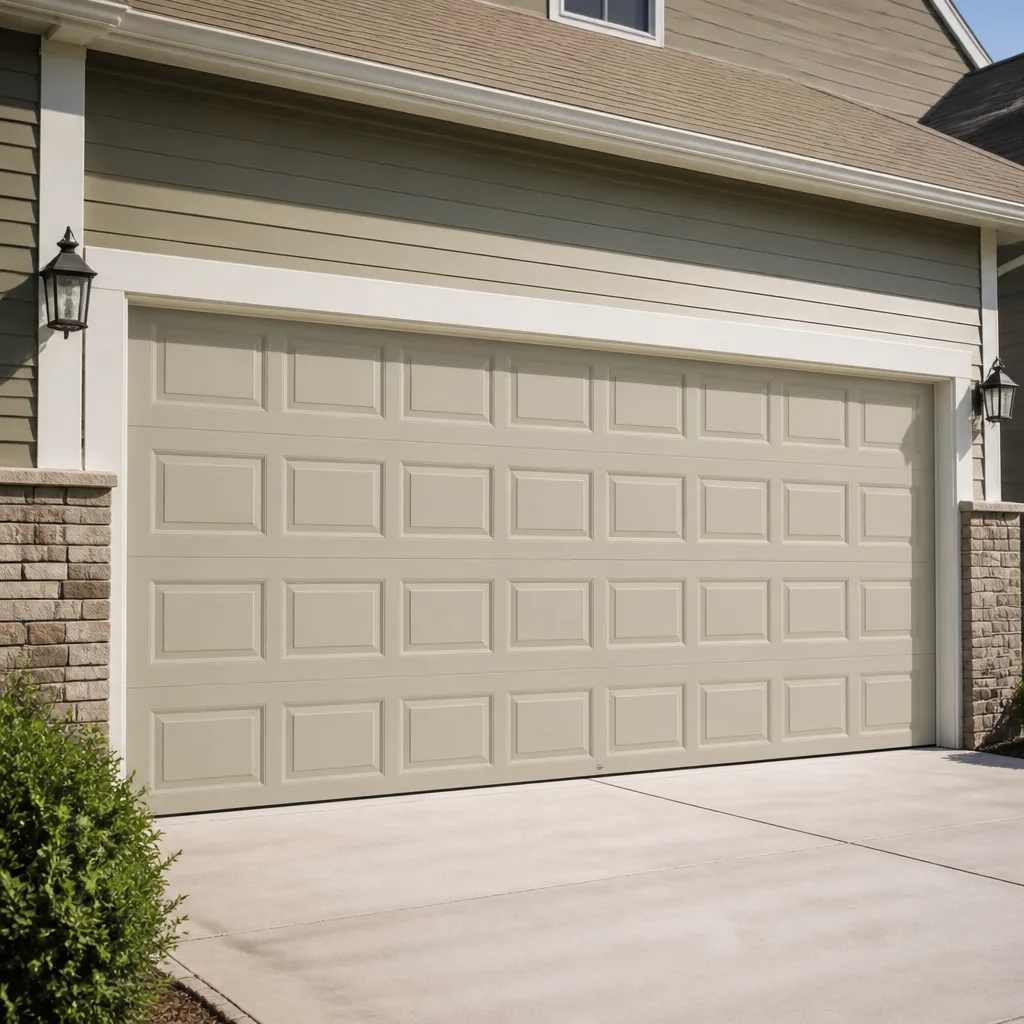 Raised-panel steel
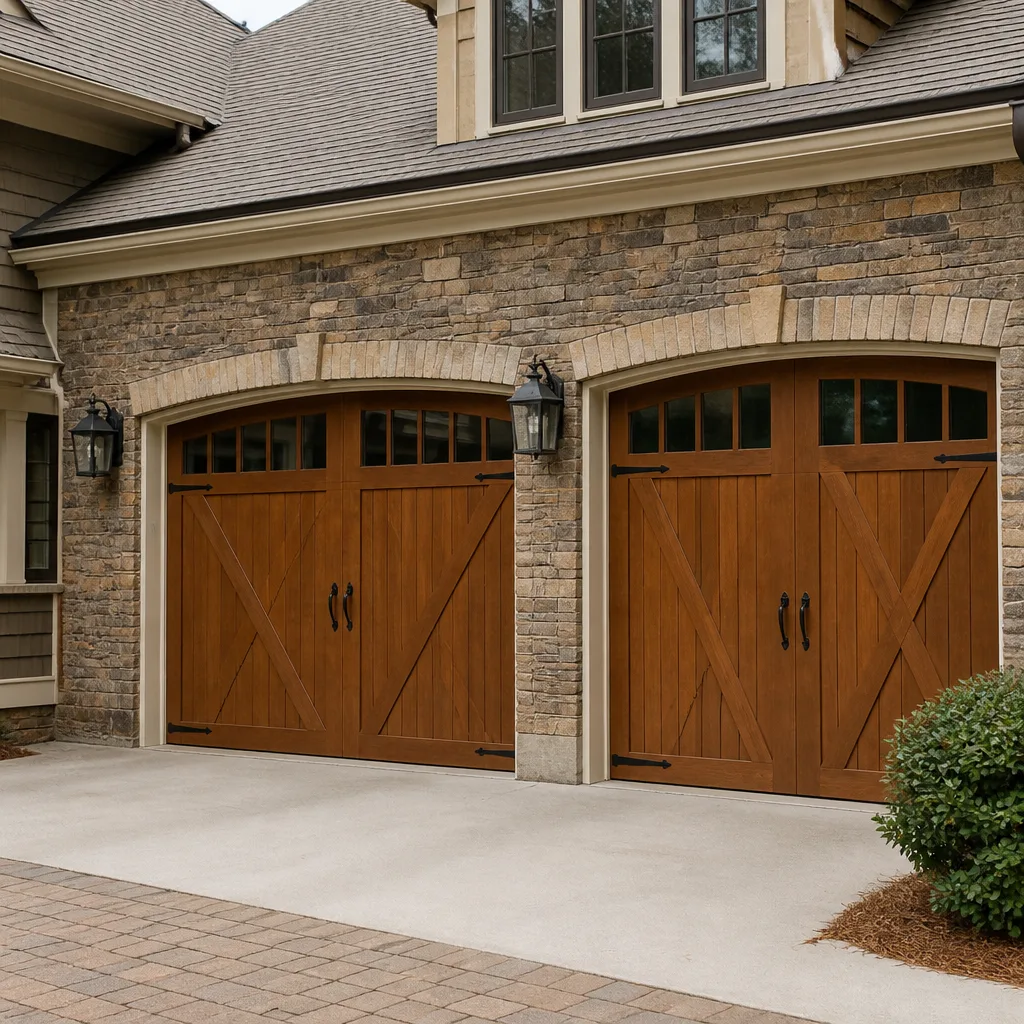 Carriage house
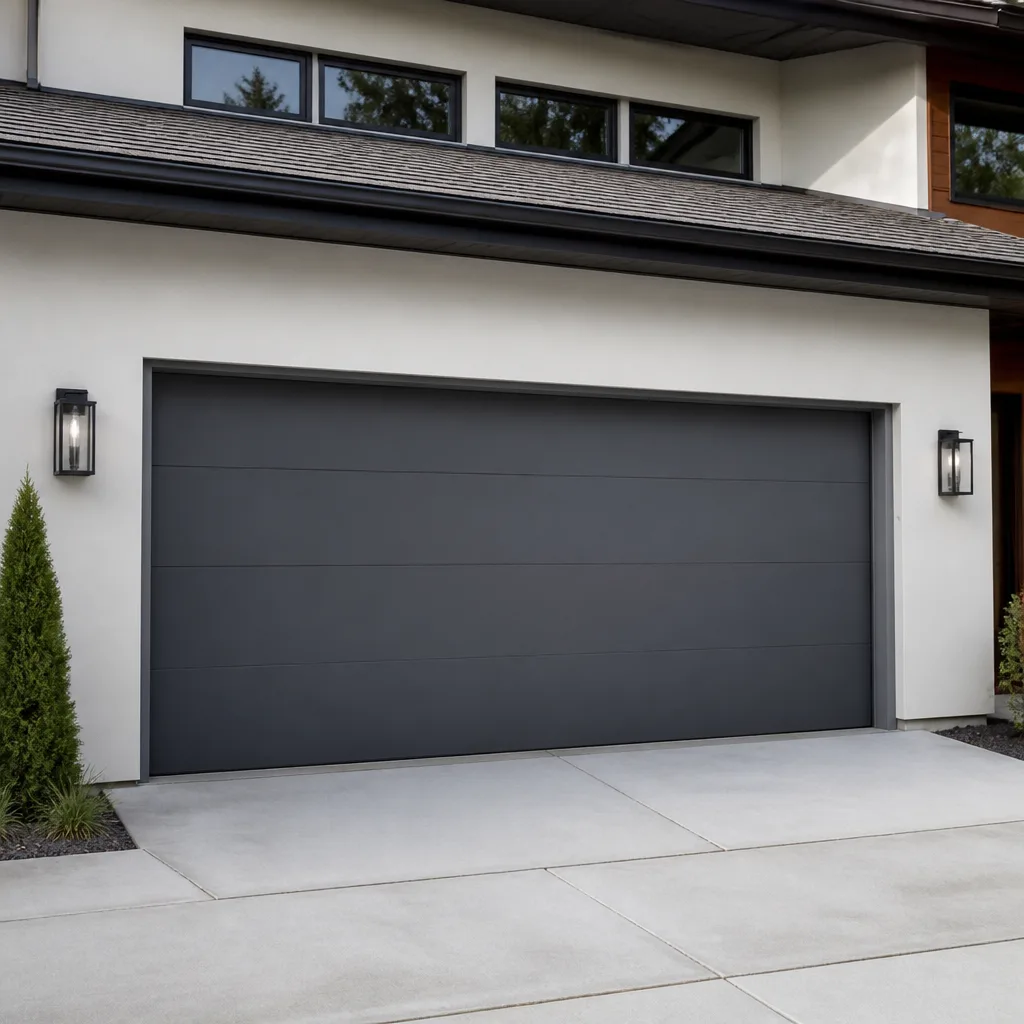 Modern flush
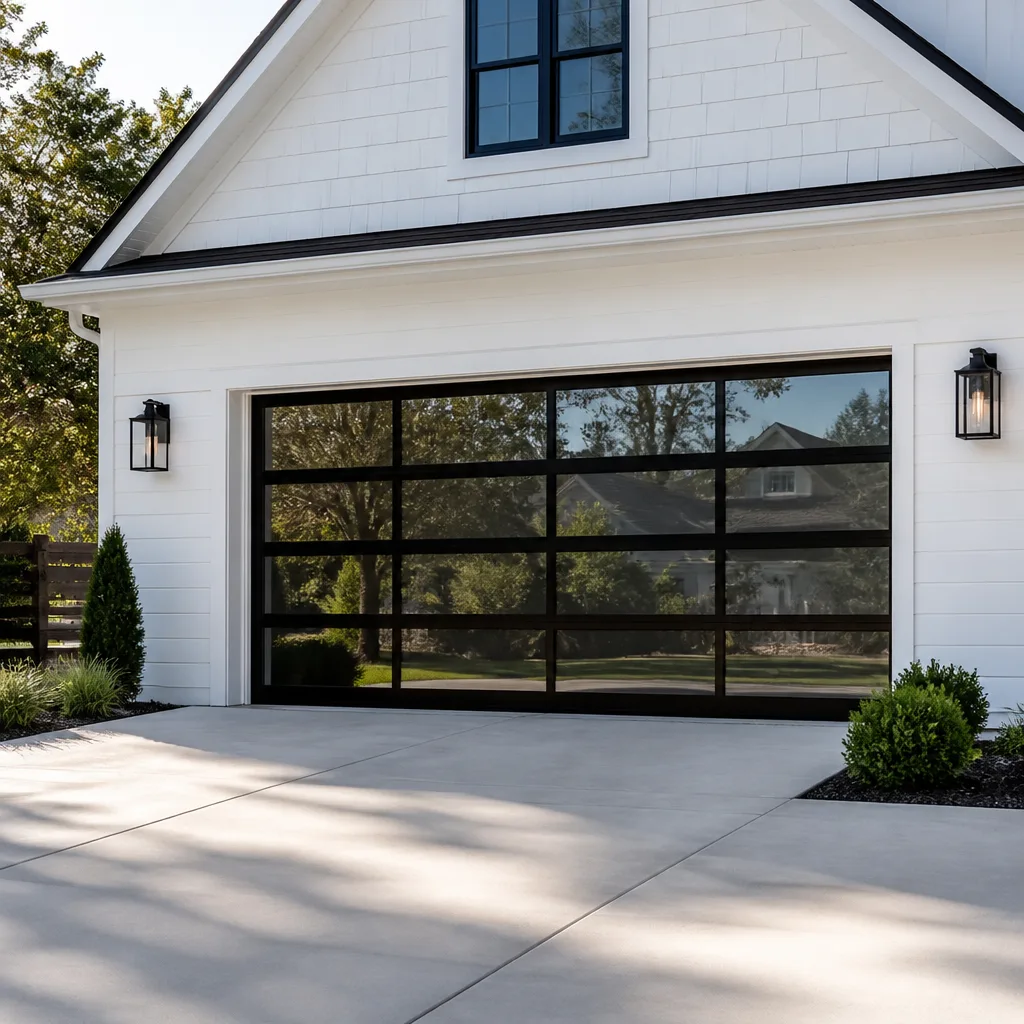 Full-view glass
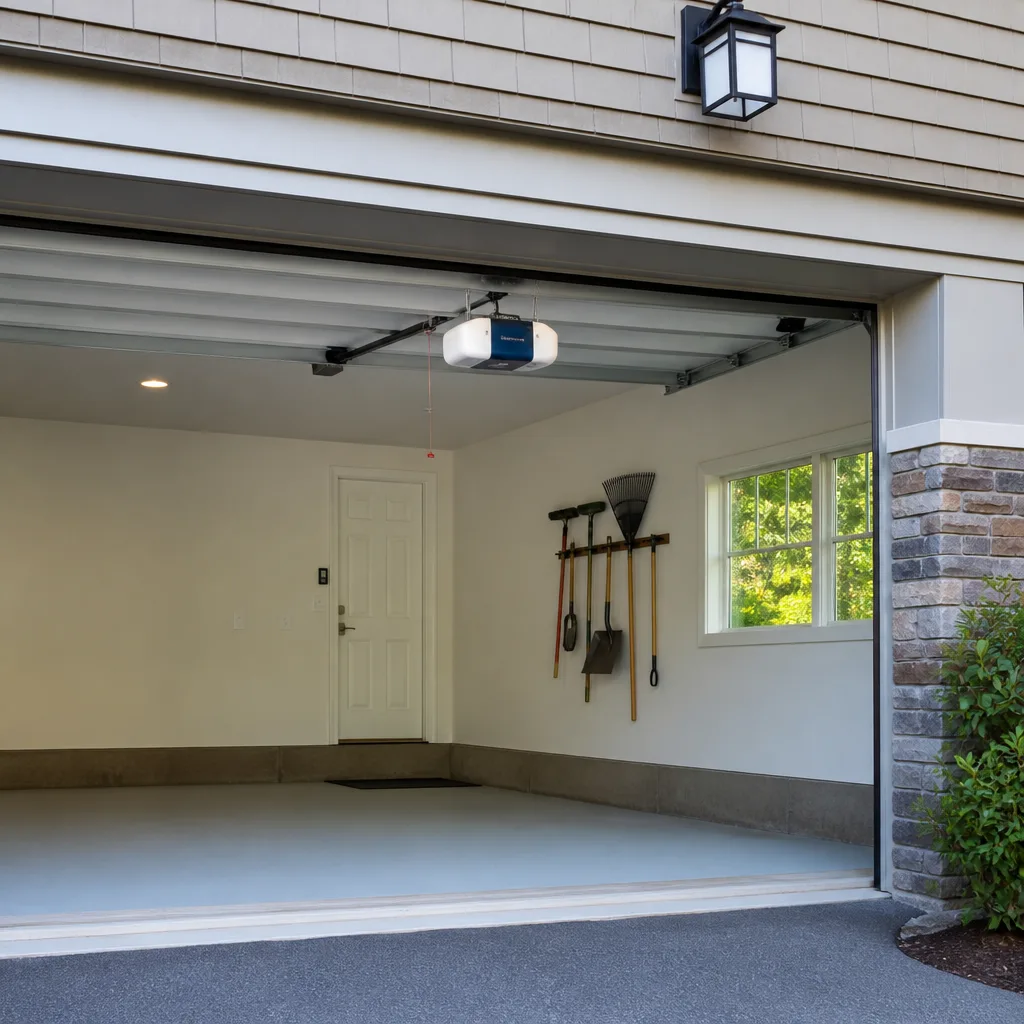
 LiftMaster openers
 Chamberlain openers
Full 25-point door and opener safety check with every visit - springs, cables, rollers, tracks, and your LiftMaster or Chamberlain opener included
You get a price before we start. It does not change when the truck arrives.
Get your free estimateThe Complete Garage Door Repair Guide for Glendora Homeowners
The average Glendora garage door cycles open and closed more than 1,500 times a year. That’s 1,500 opportunities for a spring to lose tension, a cable to fray, or a track to shift out of alignment. But here’s the counterintuitive part: most homeowners in Glendora don’t know how much their door actually weighs. And if you don’t know the weight, you can’t know whether your opener is silently overloaded, working twice as hard as it should, and headed for an early failure. This Complete Guide to Garage Door in Glendora maps every common failure to its real local cause so you fix the right thing the first time, not the most obvious thing.
Quick Answer
Most garage door problems in Glendora trace back to three overlooked variables: San Gabriel Valley temperature swings that warp tracks, hard water that accelerates spring corrosion, and mismatched opener/door weight pairings left behind by previous owners. Before you replace anything, weigh your door and check your opener’s rated capacity. Nine times out of ten, the fix is simpler and cheaper than the replacement quote you’re dreading.
Styles & brands we work with
- Raised-panel steel
- Carriage house
- Modern flush
- Full-view glass
- LiftMaster openers
- Chamberlain openers
Table of Contents
- How to Calculate Your Door’s Actual Weight
- Why Glendora’s Climate Breaks Doors Differently
- Brand-Specific Failure Points: What We See Most
- Repair vs. Replace: The Decision Framework
- What’s DIY-Safe and What Isn’t
- What Repairs Actually Cost in Glendora
- Common Mistakes to Avoid
- When to Call a Professional
- Frequently Asked Questions
How to Calculate Your Door’s Actual Weight
Your garage door opener has a rated capacity printed right on the motor housing, and most residential openers are built to handle doors up to a specific weight. The problem is that nearly nobody knows what their door weighs, so that number means nothing. Here’s the quick way to figure it out without pulling the door off its hinges.
Most standard steel sectional doors weigh between 130 and 200 pounds for a single-car door and 250 to 400 pounds for a double. Wood doors run heavier, sometimes dramatically so. Solid redwood or cedar carriage doors can push 500 pounds or more. If your Glendora home was built in the 1960s or 1970s, you might have an original wood door that a previous owner paired with a newer opener after the original motor died. That mismatch is a time bomb.
To estimate your door’s weight:
- Measure the door’s width and height in feet. Multiply for square footage.
- Identify the material: steel, aluminum, fiberglass, or wood. Steel is the default for most doors in Glendora.
- Use a per-square-foot estimate: steel runs about 8 to 10 pounds per square foot, wood 12 to 16, aluminum 5 to 7, fiberglass 6 to 8.
- Multiply square footage by the material factor. Add 20 to 30 pounds for hardware, springs, and tracks.
The number you land on is close enough to compare against your opener’s rating. LiftMaster and Chamberlain models sold in the last decade usually state capacity on a label near the motor. Genie does the same. If your door weighs 350 pounds and your opener is rated for 300, the opener has been overworking since the day it was installed. That’s not a door problem. That’s a pairing problem, and it’s the single most common thing we diagnose on Garage Door Repair service calls in Glendora.
For a deeper look at how we diagnose door-level issues, see our guide on Garage Door Repair in Glendora.
Why Glendora’s Climate Breaks Doors Differently
Glendora sits at the base of the San Gabriels, which means we get something coastal cities don’t: real temperature swings. A summer afternoon can hit 95 degrees, then drop into the low 60s overnight. That’s a 30-degree daily shift, day after day, for months. Steel expands and contracts under that kind of cycling, and the tracks that hold your door in place feel every degree of it.
Here’s what that means in practice. Track brackets bolted into the garage frame loosen over time as the metal moves. When a track shifts even a quarter inch, the rollers start binding. The door gets louder, the opener strains harder, and eventually a roller pops out or a cable jumps the drum. It looks like a major failure. It’s usually a bracket tightening and realignment job.
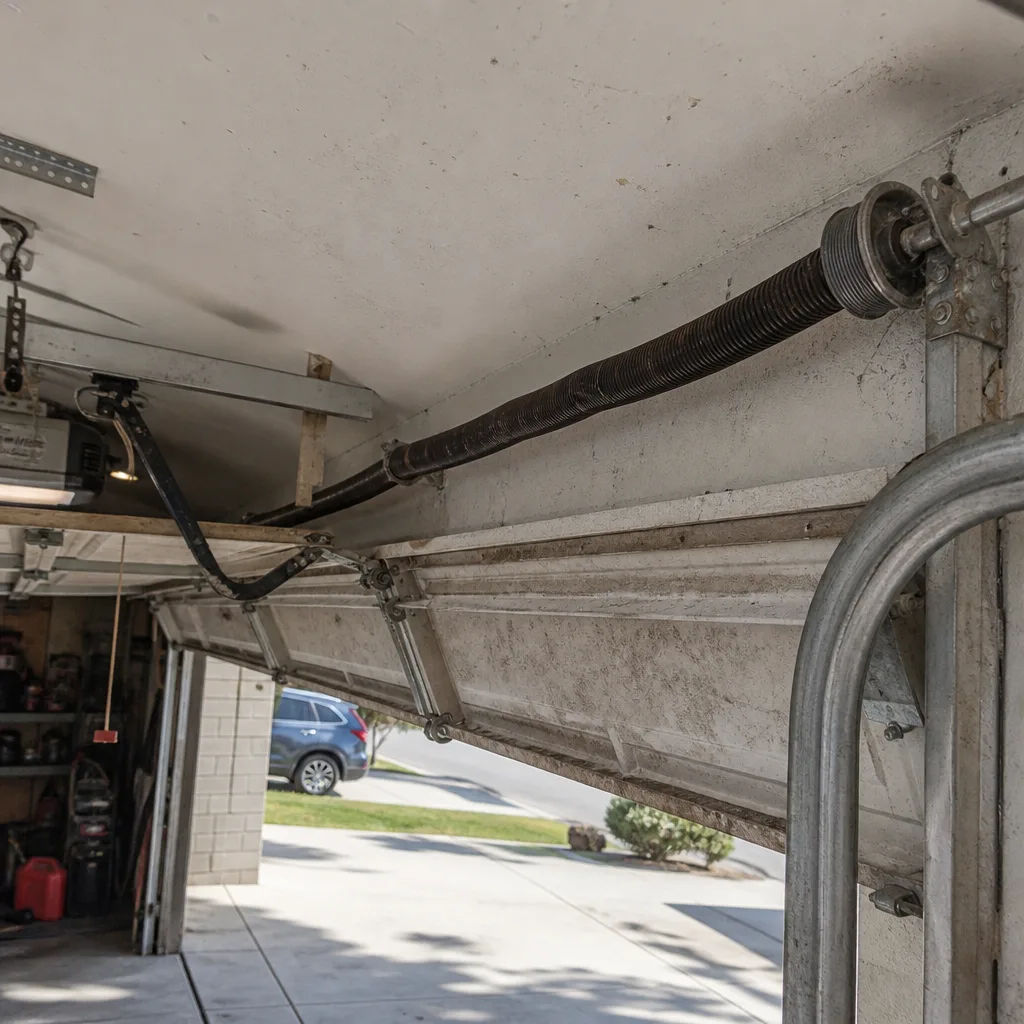
Hard water is the second Glendora factor. The San Gabriel Valley has some of the hardest municipal water in Los Angeles County. That mineral content accelerates corrosion on torsion springs, especially in garages that stay slightly humid because they’re attached to the house and share its air. A spring that would last 10,000 cycles in a coastal garage might fail at 7,000 or 8,000 cycles in Glendora. We see rust pitting on springs that are only five or six years old, particularly on the lower coil where moisture settles.
If your garage faces south or west, add sun exposure to the list. Direct afternoon heat on a painted steel door fades the finish and weakens the weatherstripping along the bottom edge. The rubber gets brittle faster, which lets dust and insects in and makes the door louder when it closes.
Brand-Specific Failure Points: What We See Most
Every manufacturer has design tendencies. We work on all of them, and knowing which brand you have tells us where to look first. Here’s what shows up most often on the doors we service around Glendora.
Clopay
Clopay doors are extremely common in Glendora tract homes, and the failure point we see most is the bottom bracket. Clopay uses a two-piece bottom bracket on many of its steel sectional models, and the connecting hardware corrodes faster in our hard-water environment. The symptom is a door that looks fine but makes a grinding noise when it moves, or a cable that suddenly has slack on one side. It’s a straightforward fix when caught early, but ignored, it can tear the bottom panel.
Wayne Dalton
Wayne Dalton’s signature TorqueMaster spring system is enclosed inside a tube, which protects it from dust but also hides problems until they’re serious. We see TorqueMaster springs that have snapped internally with no visible external damage. The homeowner hears a bang, the door won’t lift, and everything looks fine from the outside. If you have a Wayne Dalton door and it suddenly won’t open with no visible damage, that enclosed spring is your likely culprit. The good news is the system is well-supported, and replacement parts are readily available.
CHI
CHI builds a heavier door than most other manufacturers, which is great for durability but rough on openers that aren’t rated for the extra load. If a previous homeowner in Glendora installed a CHI door but kept the old Craftsman opener from 1998, that opener is living on borrowed time. We also see more roller wear on CHI doors because of the extra weight. The fix is often heavier-duty rollers and a capacity check on the opener.
Raynor and Amarr both build solid mid-range doors that hold up well in our climate. Raynor’s hinge hardware tends to show rust earlier than other brands in Glendora’s hard-water environment, but the panels themselves are reliable. Amarr’s main weak point is the weatherstripping, which dries out faster than most in direct sun.
Repair vs. Replace: The Decision Framework
The DIY vs Professional Garage Door repair-or-replace question is where homeowners lose money. Most of the time, they replace too soon because a salesperson pushed a new door. Other times, they repair too long because they’re attached to a door that’s already past saving. Here’s the framework we use.
Repair makes sense when:
- The door is under 15 years old and the panels are structurally sound
- The issue is isolated to springs, cables, rollers, hinges, or opener components
- Replacement parts for your brand are readily available, which is true for all eight major brands we service
- The door is square and the tracks are in good alignment
- The repair cost is under 40% of the replacement cost for a comparable door
Replacement makes sense when:
- The door is over 20 years old and the panels are cracking, rusting through, or delaminating
- Multiple panels are damaged, especially the bottom panel, which takes the most abuse
- The door is wood and has significant rot in the stiles or rails
- You’re adding insulation to an uninsulated garage and want a door that matches that upgrade
- Springs have been replaced twice or more, and the door itself is nearing the end of its service life
Spring cycle ratings matter here. A standard torsion spring is rated for 10,000 cycles, which translates to 7 to 10 years of normal use. High-cycle springs are rated for 25,000 to 50,000 cycles. If your door is otherwise healthy, installing high-cycle springs is often a better investment than replacing the door entirely. If the door is already aging, save the spring upgrade for the new door.
If you’re weighing replacement, our guide to Garage Door Installation in Glendora walks through what a new door actually costs and what to look for.
What’s DIY-Safe and What Isn’t
We’re repair-first in our philosophy, and part of that means telling homeowners what they can safely handle themselves. Some things genuinely don’t require a service call. Other things can put you in the hospital.
DIY-safe tasks:
- Lubricating rollers, hinges, and track surfaces with a silicone-based lubricant every six months
- Tightening loose hardware on the track brackets and hinge plates
- Replacing weatherstripping along the bottom edge and side jambs
- Cleaning and aligning the photo-eye sensors near the floor
- Reprogramming remotes and keypads following the manufacturer’s instructions
- Testing the auto-reverse mechanism with a roll of paper towels
Not DIY-safe tasks:
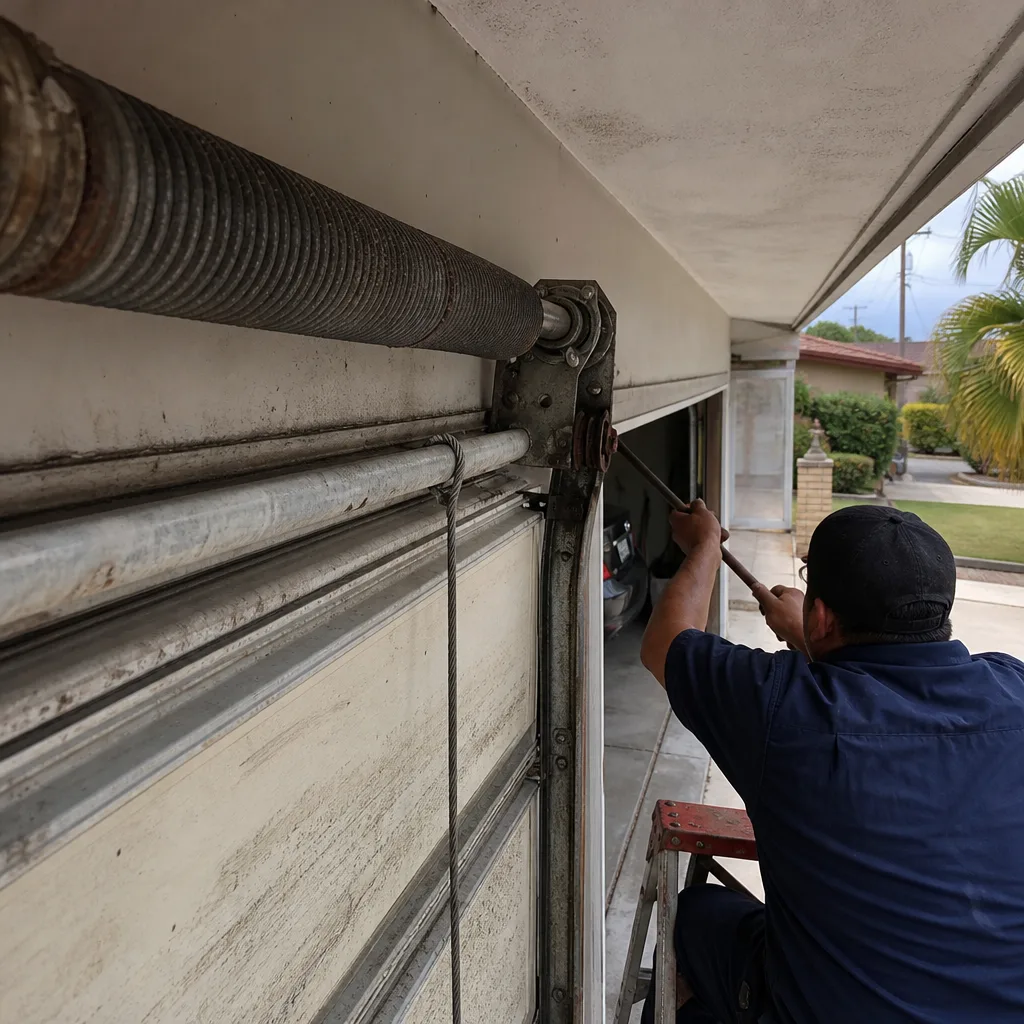
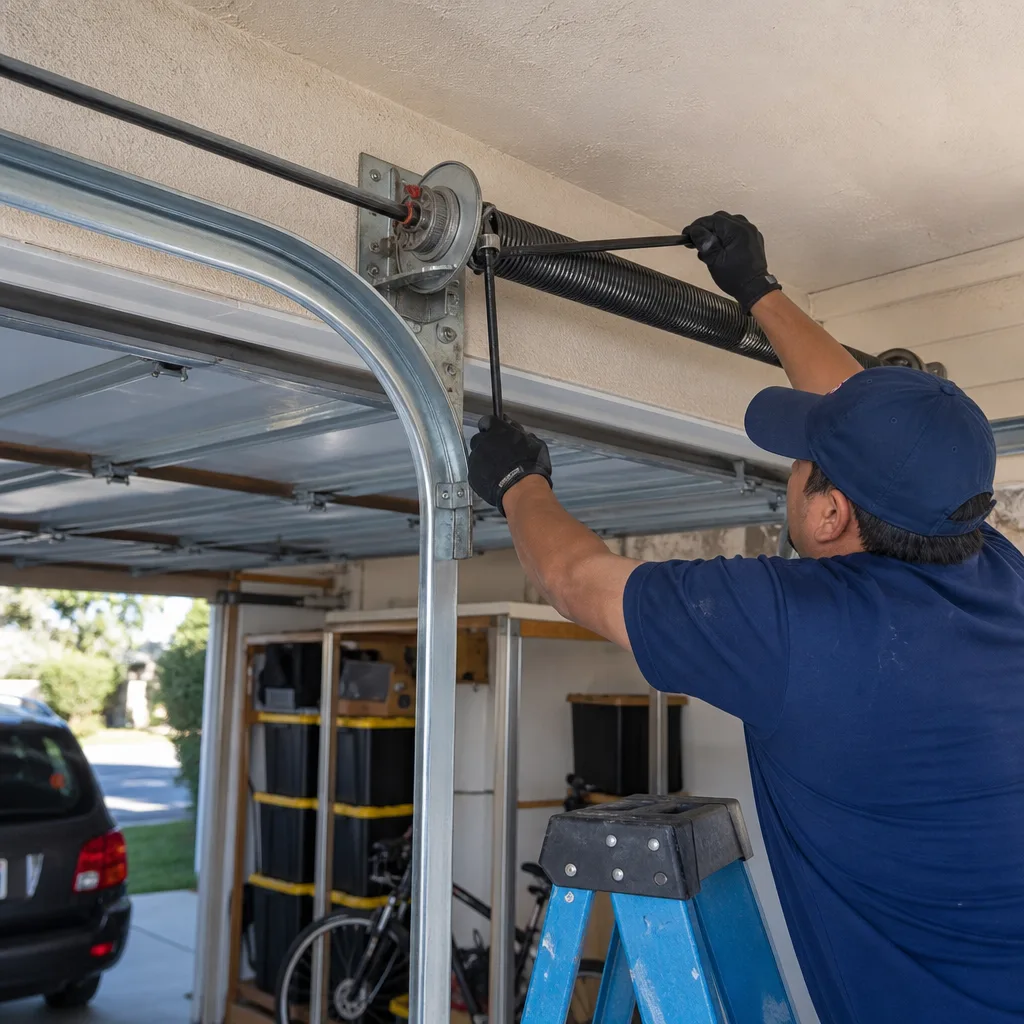
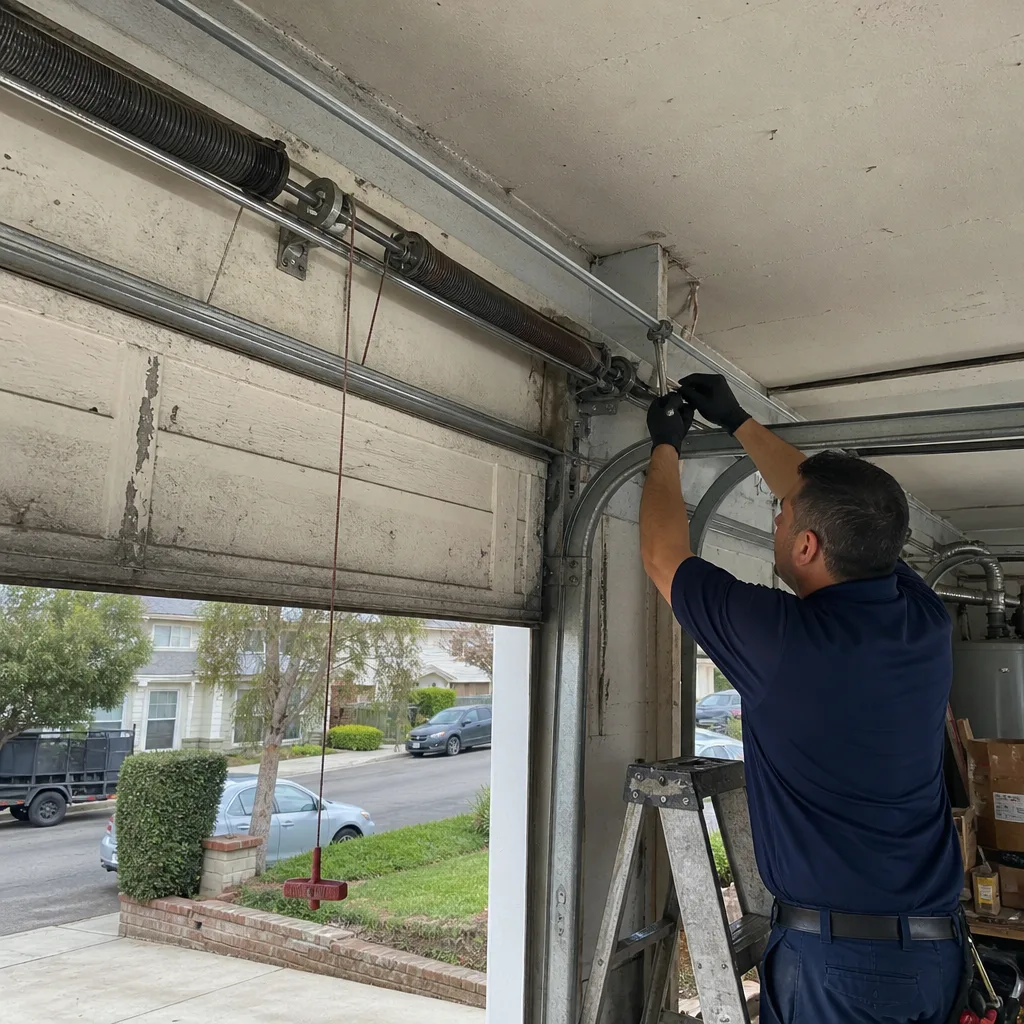
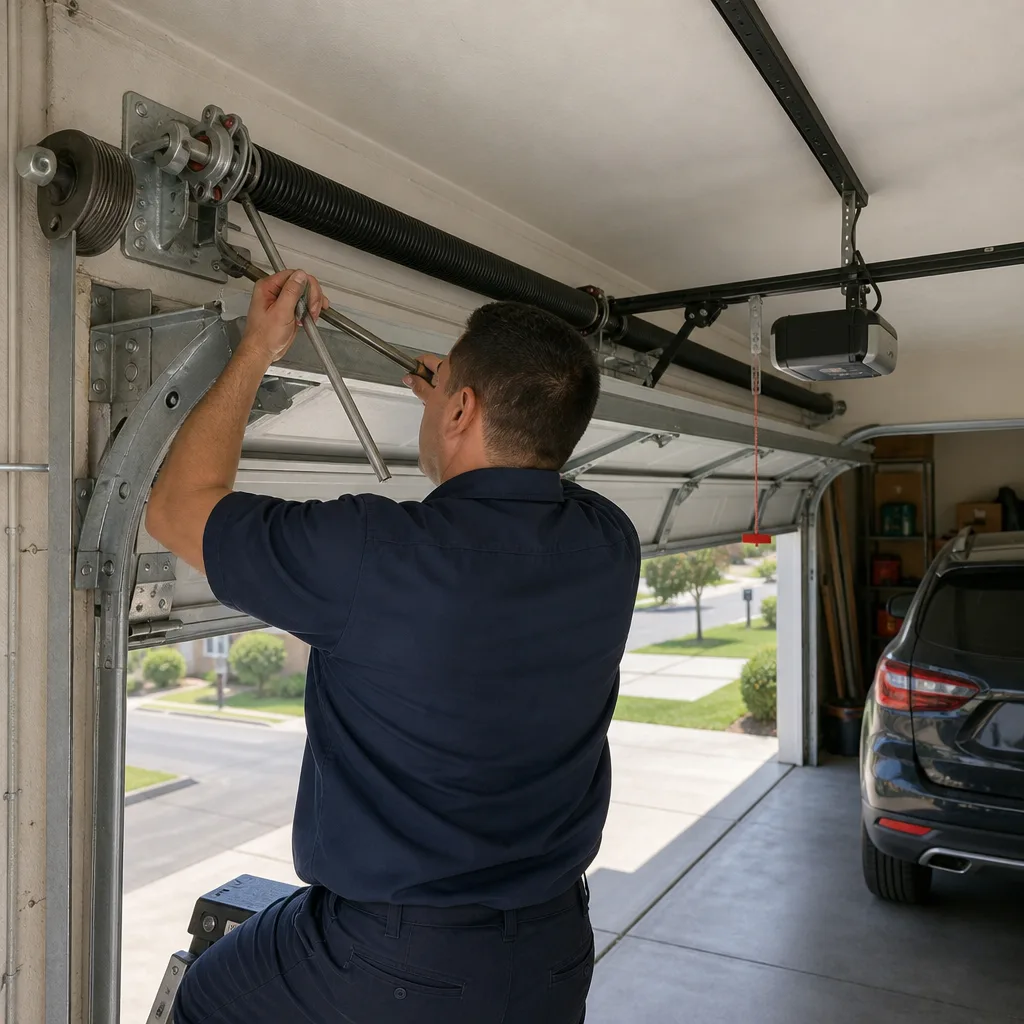
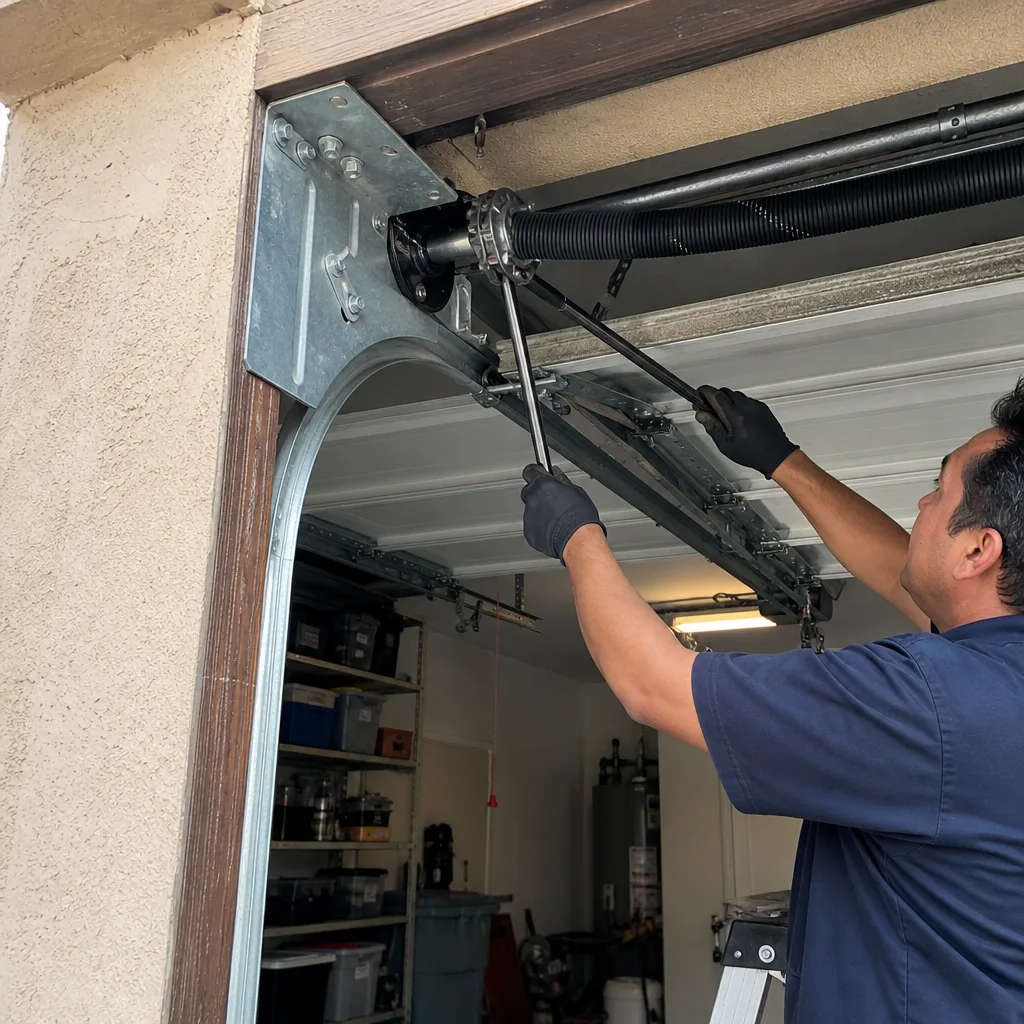
- Torsion spring replacement or adjustment. The spring holds hundreds of pounds of tension, and if it slips, it can cause serious injury or worse. This is the number one piece of advice we give: do not touch torsion springs.
- Cable replacement or drum work. The cables are under the same tension as the springs and can whip if something gives.
- Track realignment that requires bending or shimming the track. You can tighten bolts, but if the track is warped or the door is out of square, that’s a pro job.
- Opener replacement that involves new brackets, wiring, or safety sensor relocation.
For anything involving springs, cables, or drums, call a trained technician. The injury risk is real, and the cost of a service call is a fraction of what an emergency room visit will set you back.
What Repairs Actually Cost in Glendora
Here’s the part everyone actually wants to know. These are the ranges we see in Glendora for common repairs, based on the homes and doors in this market. Your specific price depends on your door, your opener, and what we find when we look at it. We quote every job before we start, and the price you agree to is the price you pay.
- Torsion spring replacement (single spring): $180 to $340
- Torsion spring replacement (both springs): $280 to $520
- Cable replacement (pair): $140 to $250
- Roller replacement (set of 10-12): $110 to $190
- Track realignment and tightening: $100 to $180
- Photo-eye sensor repair or replacement: $80 to $160
- Bottom seal replacement: $70 to $130
- Opener gear or drive replacement: $150 to $320
- Full opener replacement (parts and labor): $450 to $900 depending on model
Spring replacement is the most common job we do in Glendora, and the range above reflects the difference between a basic spring and a high-cycle spring rated for 25,000 cycles or more. If you plan to stay in the house, the high-cycle option is almost always the smarter money.
For a complete breakdown of what we fix and how we price it, see Garage Door Repair in Glendora or visit our Garage Door Service Glendora home page for an overview of everything we do.
Common Mistakes to Avoid
- Replacing the opener when the door is the problem. If the door binds, is out of balance, or has failing rollers, a new opener will strain just like the old one. Diagnose the mechanical side before touching the motor side.
- Lubricating the tracks. Grease on the track surfaces attracts Glendora dust and creates sludge that makes the door louder and slower. Lubricate the rollers and hinges only, with a dry silicone spray.
- Ignoring a door that’s slow on one side. That’s almost always a spring or cable issue starting, and waiting turns a $200 spring job into a $500 panel repair.
- Replacing the door because the spring snapped. Springs fail long before panels do in most cases. A snapped spring is a repair, not a replacement mandate.
- Buying a new opener for an old, heavy door without checking capacity. Match the opener to the actual door weight, not the old opener’s specs. If the previous pairing was wrong, duplicating it makes things worse.
- Skipping the safety sensor check. Sensors get bumped out of alignment by bikes, trash cans, and kids, and a misaligned sensor will stop the door from closing. It’s a two-minute fix that doesn’t need a service call.
When to Call a Professional
Call a professional when the springs are involved, when cables are frayed or loose, when the door is off its tracks, or when the opener motor runs but the door doesn’t move. Those are the scenarios where guessing costs more than diagnosing. Also call if you’ve tried the obvious fixes and the door still isn’t right. A door that’s been misbehaving for weeks usually has a root cause that isn’t visible from the outside.
Garage Door Service Glendora offers free estimates in Glendora, and we work on whatever brand you have. Call (855) 382-3042 and we’ll tell you what’s actually wrong before quoting anything.
Frequently Asked Questions
Most repairs in Glendora run between $100 and $520 depending on what failed, with spring replacement being the most common job at $180 to $340 for a single spring. The price is quoted and agreed before any work starts, and estimates are free. Call (855) 382-3042 for an exact quote on your specific door.
In most cases, yes. Spring, cable, roller, and sensor repairs are jobs we stock parts for and can typically complete in one visit. If your opener needs replacement and we don’t have your exact model on the truck, we’ll have it ordered and installed as soon as it arrives. Call (855) 382-3042 and we’ll tell you what’s possible today.
Check the inside of the door panel, the bottom corner of a panel, or the opener motor housing. Most manufacturers put a nameplate on the door’s interior surface or on the opener itself. If you can’t find one, our opener repair guide covers how to identify common models, or call us and we’ll identify it over the phone.
We work on all of them, plus Chamberlain, Clopay, Amarr, Wayne Dalton, Raynor, and more. We’re a multi-brand shop, meaning we repair whatever you have rather than pushing a replacement from a single product line. If it’s a major brand, we know it.
No. We quote the job before we start, and the quoted price is what you pay. If we find something significant during the repair that wasn’t visible on the quote, we’ll stop and discuss it with you before doing anything. You’ll never get a surprise invoice.
Glendora’s hard water accelerates spring corrosion, and daily temperature swings put extra stress on the metal. If your spring was the standard 10,000-cycle version, it was built to last about 7 to 10 years under normal conditions, and our climate shortens that. Upgrading to high-cycle springs rated for 25,000 cycles or more is the usual fix.
The Bottom Line
Most garage door failures in Glendora come down to three things: climate stress on tracks and springs, hard water corrosion, and mismatched opener-to-door weight pairings. Before you replace anything, figure out what your door weighs and what your opener is rated for. That single piece of information changes the entire conversation. Fix what’s actually broken, skip the replacement pitch unless the door genuinely warrants it, and stay away from spring and cable work unless you’re trained to do it. For everything else, call a shop that knows your brand and shows up ready to diagnose, not upsell, or explore our more guides & resources.
Written by the team at Garage Door Service Glendora, serving Glendora since 2014.
See the difference
 Before
 After
 Before
 After
 Before
 After