
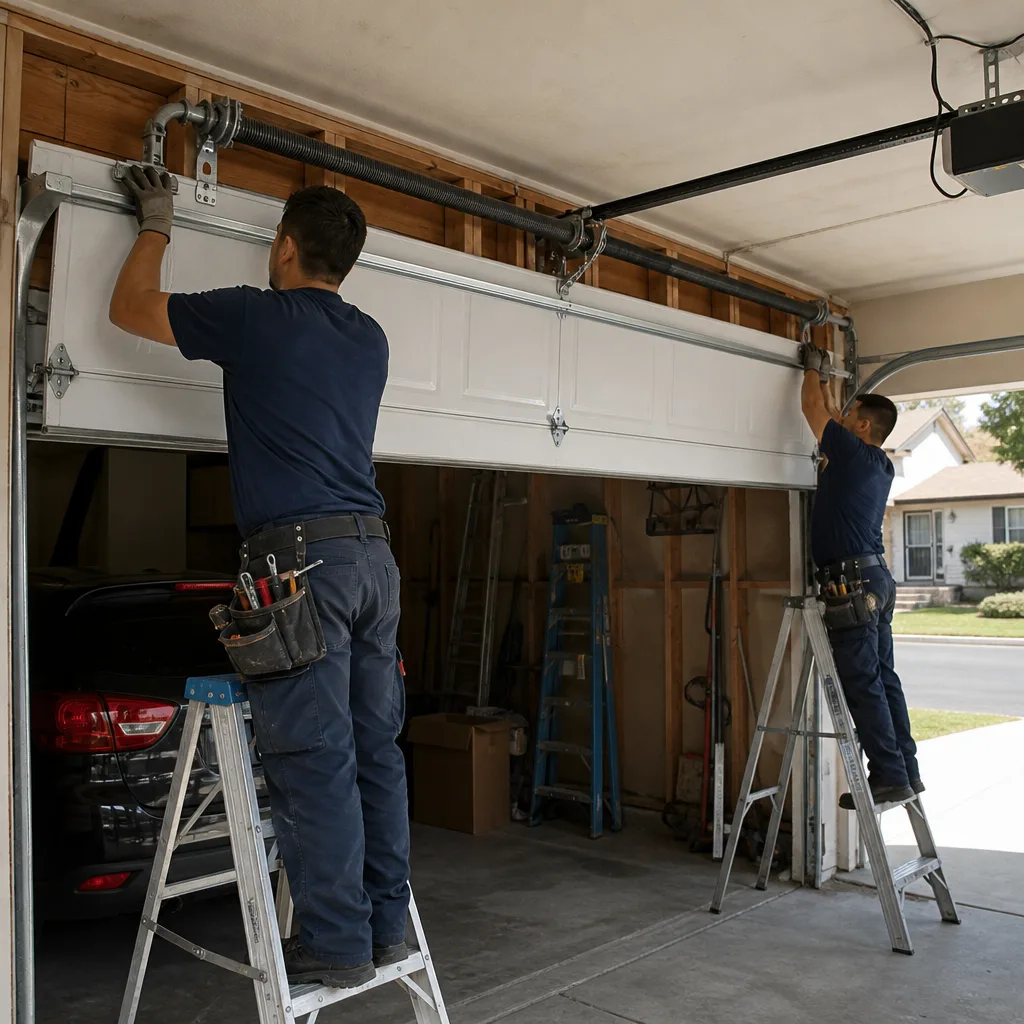
Last updated November 2, 2026
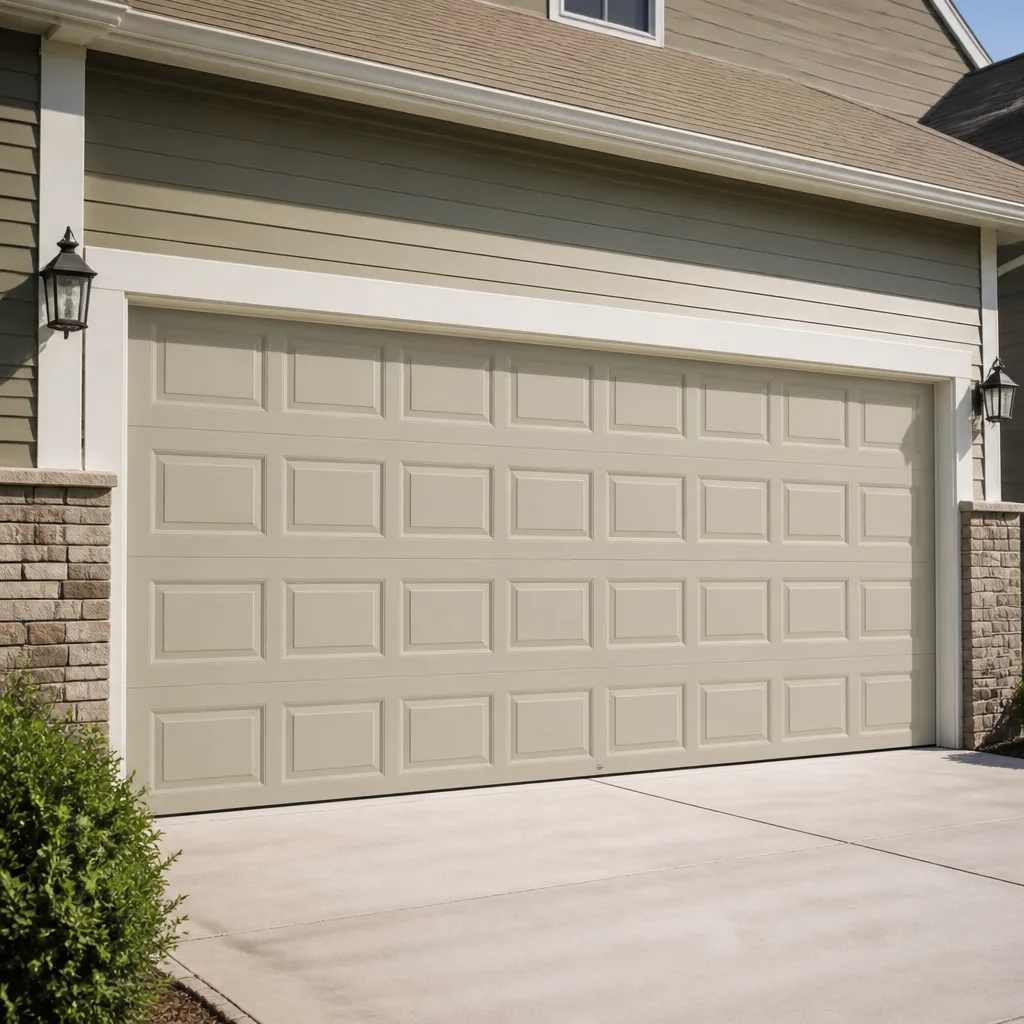 Raised-panel steel
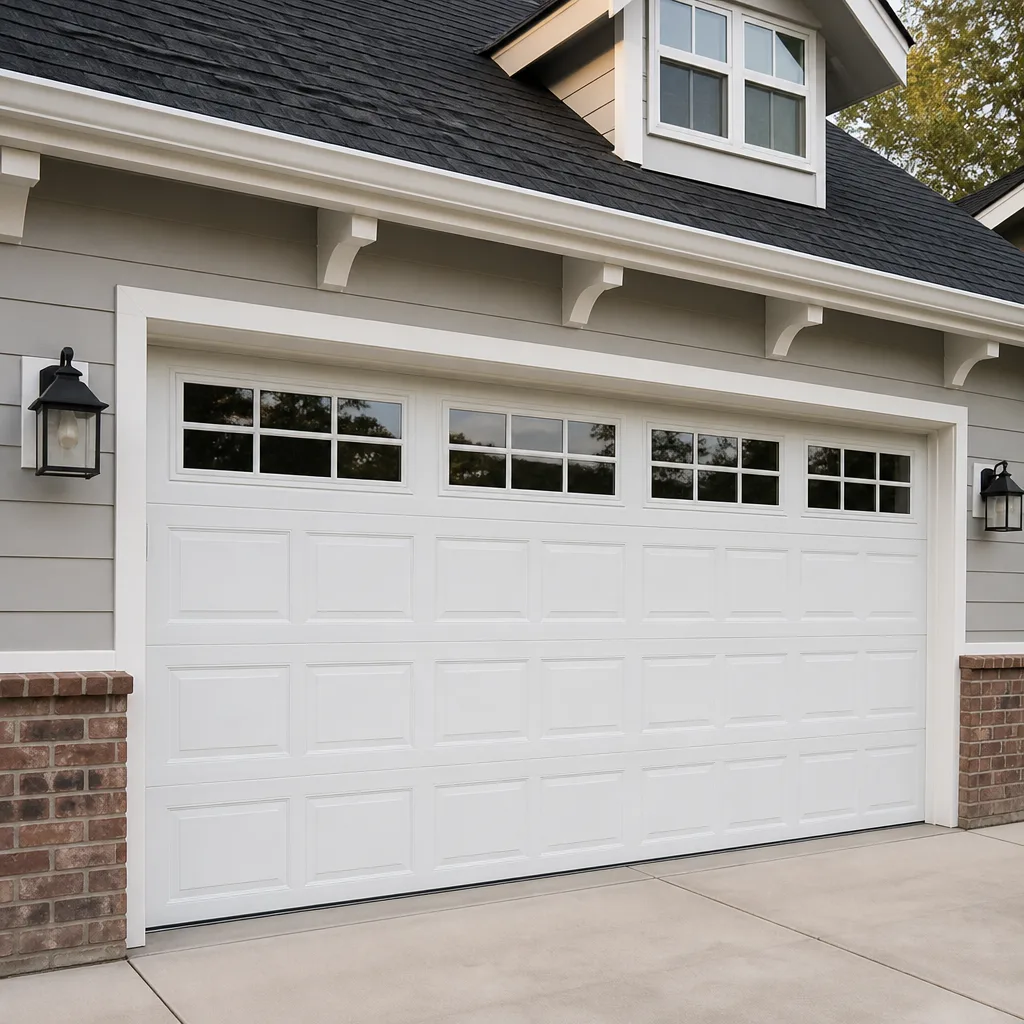
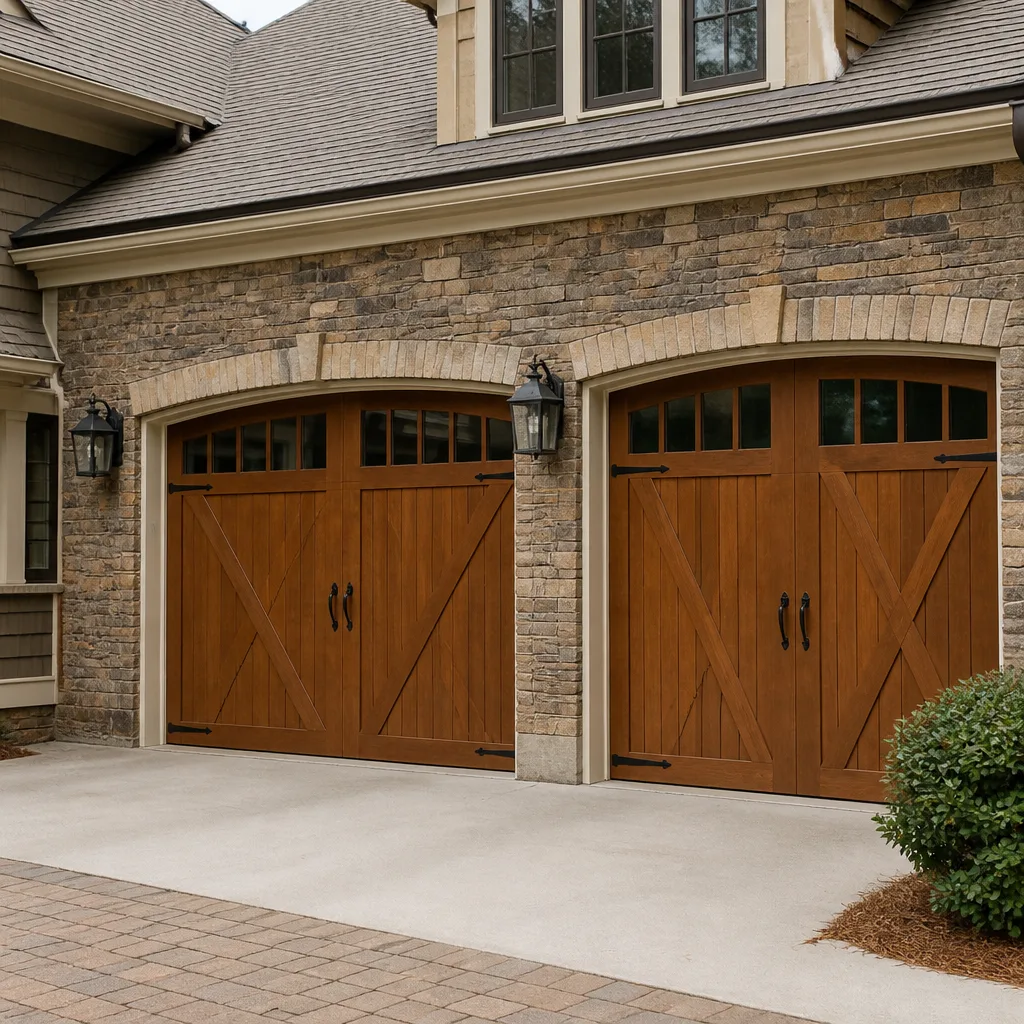 Carriage house
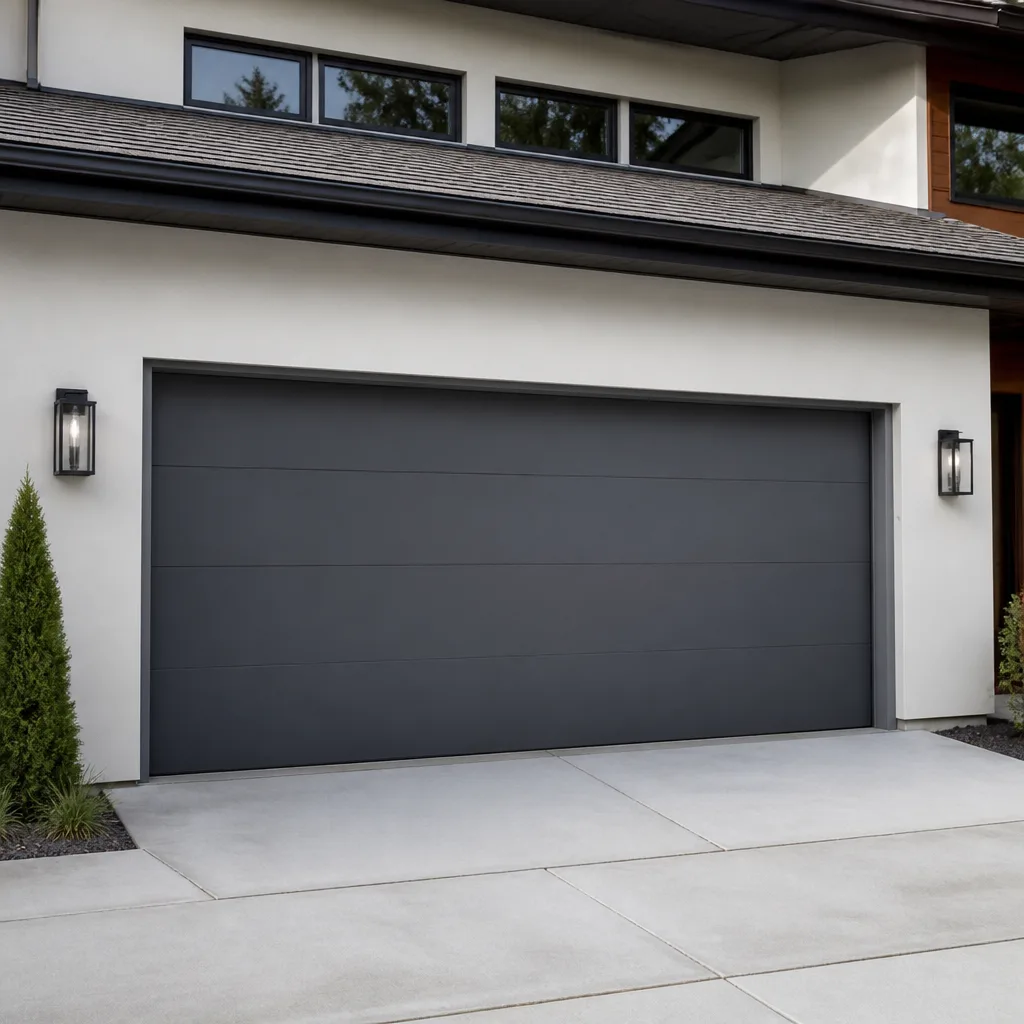 Modern flush
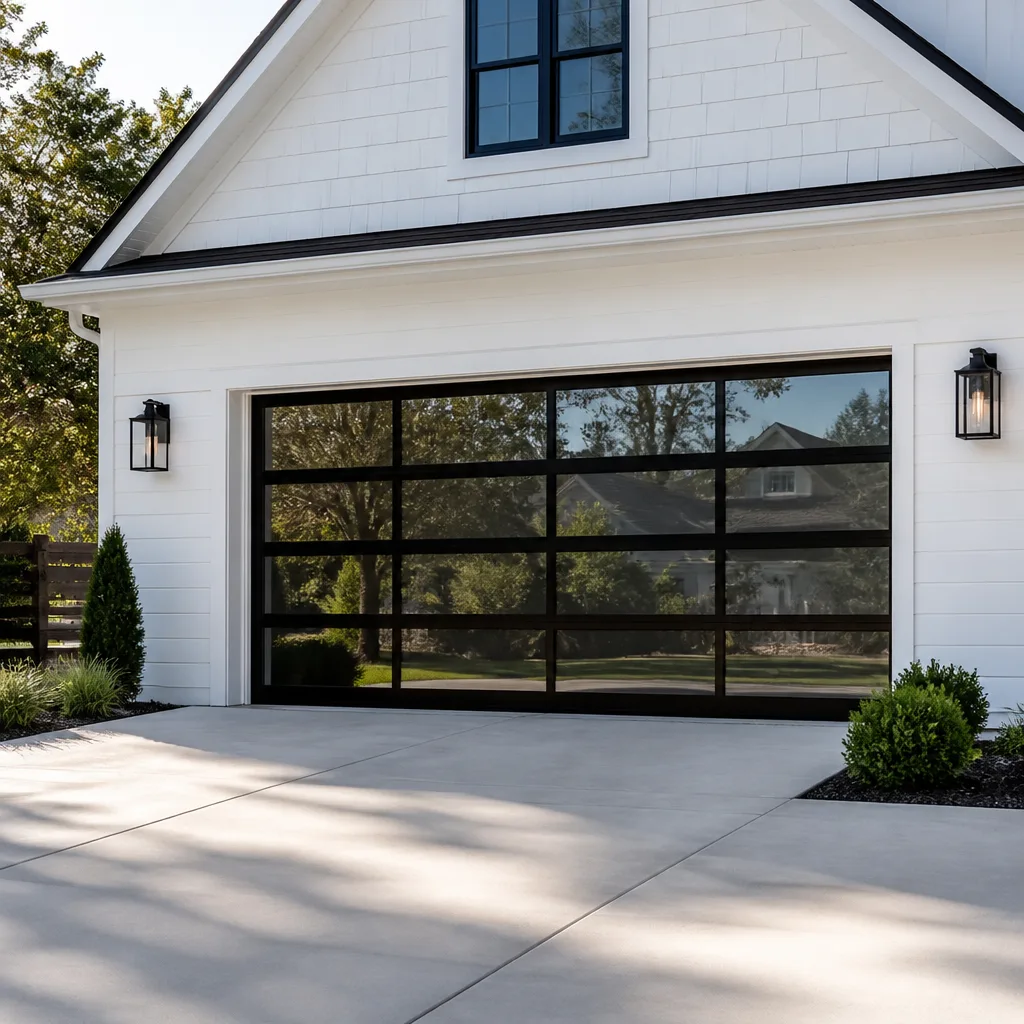 Full-view glass
 LiftMaster openers
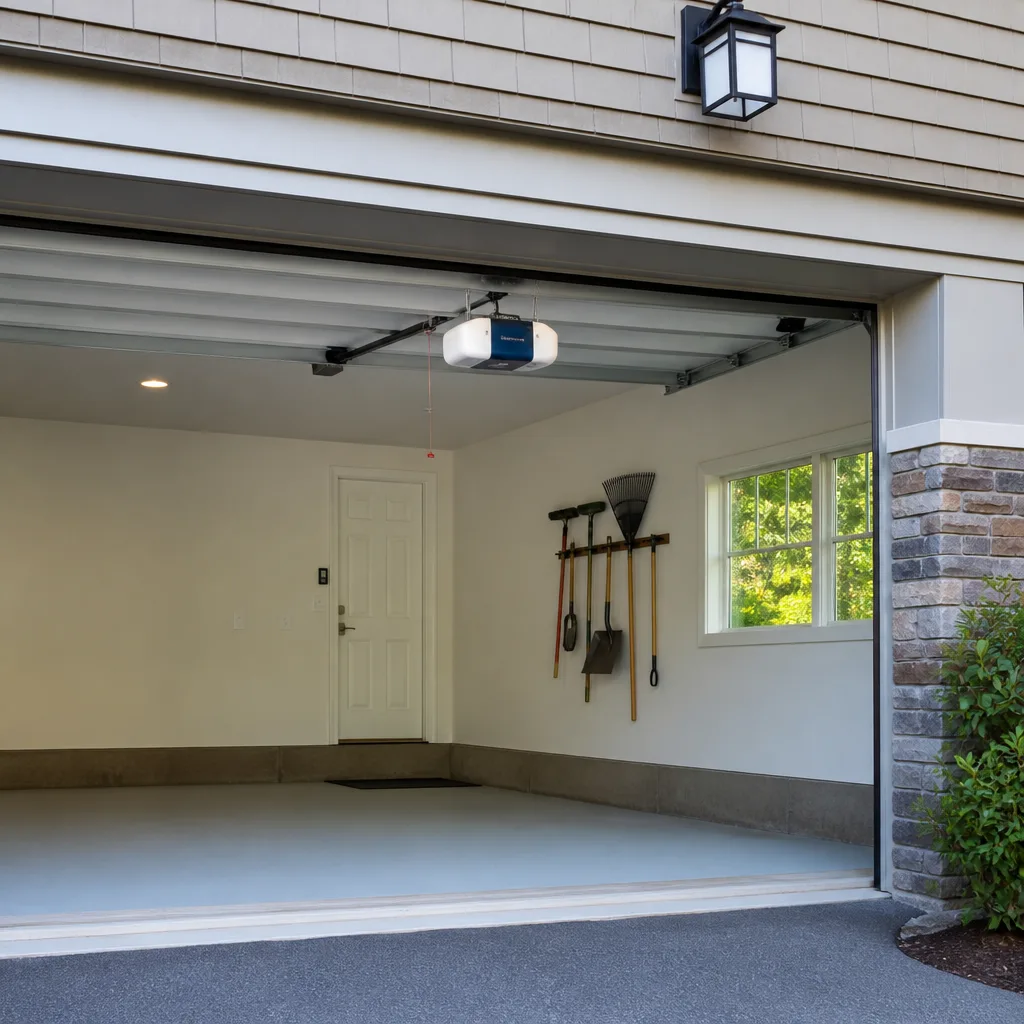 Chamberlain openers
Full 25-point door and opener safety check with every visit - springs, cables, rollers, tracks, and your LiftMaster or Chamberlain opener included
You get a price before we start. It does not change when the truck arrives.
Get your free estimateDIY vs Professional Garage Door: The Glendora Homeowner’s Decision Guide
Every year, roughly 20,000 Americans end up in emergency rooms because of garage door injuries. What most Glendora homeowners don’t realize is that almost none of those injuries come from the door itself. They come from the springs. A torsion spring under full tension stores about 400 pounds of torque, and when it lets go, it does so without warning and without mercy. This guide separates the five garage door tasks you can genuinely handle yourself from the three that send people to the hospital, and it explains why the line between them has nothing to do with how handy you are.
Styles & brands we work with
- Raised-panel steel
- Carriage house
- Modern flush
- Full-view glass
- LiftMaster openers
- Chamberlain openers
Quick Answer
Most garage door maintenance in Glendora is safe to DIY: weatherstrip replacement, lubrication, sensor realignment, keypad programming, and clearing track debris. The three jobs you should never attempt yourself are torsion spring replacement, cable replacement on torsion systems, and any work on a loaded header bracket. For those, hire a licensed professional. For everything else, this guide gives you the exact steps.
Table of Contents
- The Real DIY Line: Physics, Not Skill
- The 5 Garage Door Tasks Any Homeowner Can Safely Do
- The 3 Jobs That Should Never Be DIY
- The Tool and Parts Cost Reality Check
- California Legal Exposure: Who Owns the Permit?
- How to Use a Multi-Brand Shop to Your Advantage
- Common Mistakes to Avoid
- When to Call a Professional
- Frequently Asked Questions
- The Bottom Line
The Real DIY Line: Physics, Not Skill
We’ve been called to garages all over Glendora, from the hillside homes off Sierra Madre Avenue to the newer developments near Citrus College, and we’ve seen the same pattern every time. The homeowners who hurt themselves on garage doors weren’t clumsy. They weren’t careless. They were capable people who didn’t understand where the stored energy lives in their door system.
Your garage door weighs between 130 and 400 pounds depending on its material and size. The only reason you can lift it with one hand is the spring system. That’s the entire job of the springs: they store and release enough counterforce to make a heavy door feel light. When that system is intact and properly adjusted, the door is a miracle of mechanical efficiency. When it fails, all that energy has to go somewhere.
Here’s what matters for the DIY conversation: the dangerous energy in your garage door system is not in the door panels, the track, the hinges, or even the opener motor. It’s in the springs and the cables that hold them. Every other component can be worked on with standard hand tools and reasonable caution. The springs and cables require specialized tools, specific training, and a healthy respect for what happens when hundreds of pounds of stored force releases suddenly.
That’s the line. Not skill. Not experience. Physics. And once you understand where the dangerous energy sits, you can make clear-eyed decisions about what to tackle yourself and what to hand to a professional.
If you want a broader look at what goes into professional work in this area, our Garage Door Repair in Glendora page covers the full scope of what a trained tech handles.
The 5 Garage Door Tasks Any Homeowner Can Safely Do
These five jobs require no special tools beyond what most Glendora homeowners already own, and none of them touch the spring system. If you’re reasonably handy and follow the steps below, you can do all of these on a Saturday morning and save yourself a service call.
1. Bottom Weatherstrip Replacement
The rubber strip along the bottom of your door degrades fastest because it takes direct sun, rain, and temperature swings. In Glendora’s summer heat, that rubber bakes hard and cracks within three to five years. When it fails, you’ll see daylight under your closed door and start finding leaves, dust, and the occasional lizard in your garage.
Replacement is a 30-minute job. The old strip slides out of its retainer channel, and the new one slides in. Universal replacement kits run $20 to $35 at any hardware store in Glendora. The only challenge is that the strip can be stiff when cold, so do it on a warm afternoon or heat the strip with a hair dryer first. No tools beyond a utility knife and a flathead screwdriver are required.
2. Lubrication
Garage doors make noise when metal parts lose their lubrication and start grinding. The fix is simple and takes ten minutes. Use a silicone-based garage door lubricant or white lithium grease, available for $8 to $15 at any Glendora hardware store. Do not use WD-40, which is a solvent, not a lubricant, and will actually strip the existing lubrication.
Lubricate the hinges, the rollers, the track curves, and the bearing plates. Skip the track itself, which should stay dry so the rollers grip properly. Do this twice a year. A door that opens smoothly is also quieter, which matters if your garage sits under a bedroom.
3. Sensor Alignment
If your door starts closing, then stops and reverses for no obvious reason, the photo eye sensors at the base of the track are almost always the culprit. They get bumped by bicycles, trash cans, and kids, and once they’re out of alignment, the opener refuses to close the door as a safety measure.
Check that both sensors are level and pointing at each other. Most have a small LED light that glows steady when aligned and blinks when not. Loosen the wing nut, adjust the angle until both lights go steady, and tighten. This takes five minutes and costs nothing.
4. Keypad Programming
Every major opener brand uses a slightly different programming sequence, but all of them are documented in the owner’s manual and in online videos. Whether you have a LiftMaster, Craftsman, or Genie opener, the process is essentially: locate the learn button on the motor unit, press it, enter a four-digit code on the keypad, and press enter. Five minutes, done.
The keypad battery is a 9-volt that you can change without any programming. If your keypad is more than about seven years old and stops working even with a new battery, replacement keypads are $30 to $50 and program in under ten minutes.
5. Minor Track Debris Clearing
Over time, the track collects dust, leaf fragments, and small debris that can make the door bind or drag. If you hear a grinding sound or the door hesitates partway through its travel, inspect the tracks. The fix is usually a visual inspection and a wipe-down with a dry rag.
Loose bolts on the track brackets are also a common Glendora issue, especially after our occasional earthquake tremors shift door alignment. Check the bracket bolts on both sides with a socket wrench. If any are loose, snug them down. Do not attempt to adjust track alignment by bending or shimming the track; that changes the door’s balance and affects the springs.
If you want to understand more about how openers interact with the door system, see our Garage Door Opener Repair in Glendora guide.
The 3 Jobs That Should Never Be DIY
These three jobs share one trait: they all involve the spring system or the structural bracketing that holds it. If you remember nothing else from this guide, remember this list. If any of these three things fails on your door, close the garage door manually if it’s safe to do so, unplug the opener, and call a professional.
1. Torsion Spring Replacement
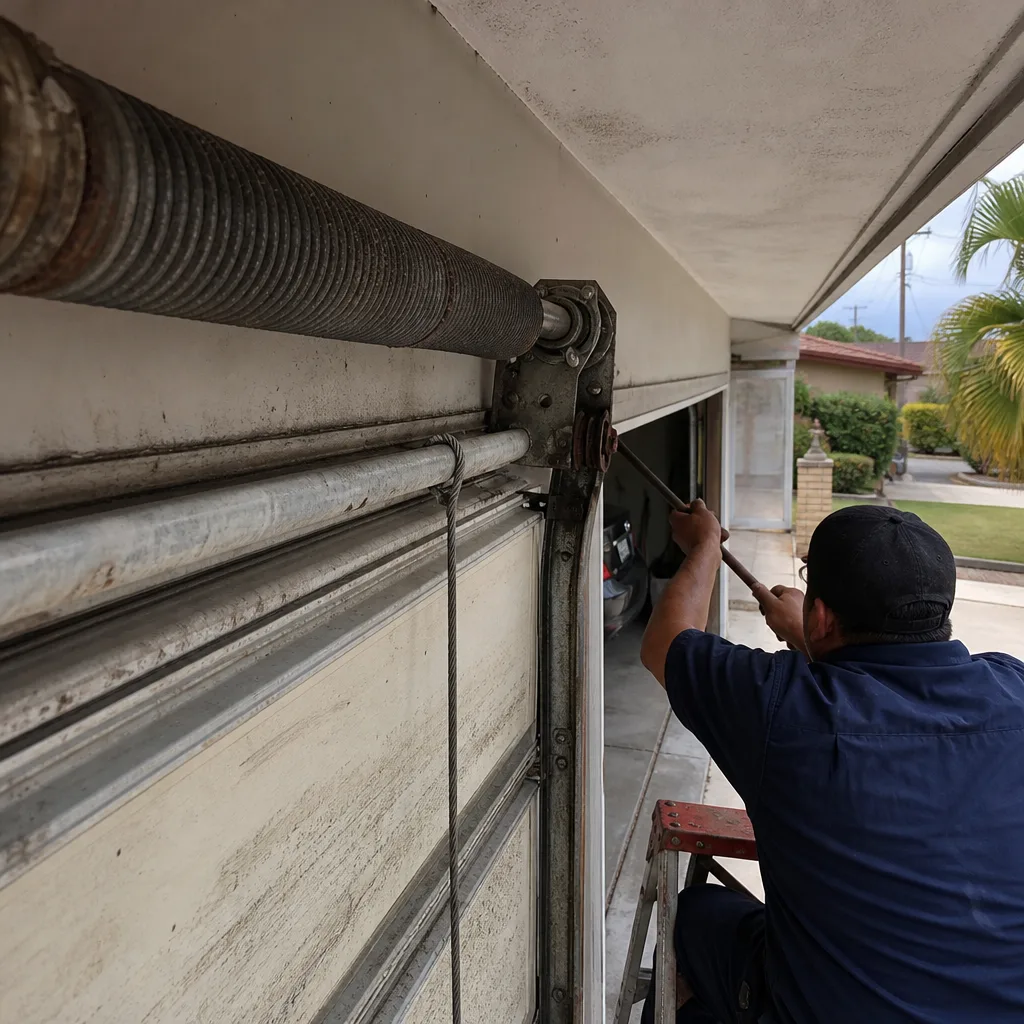
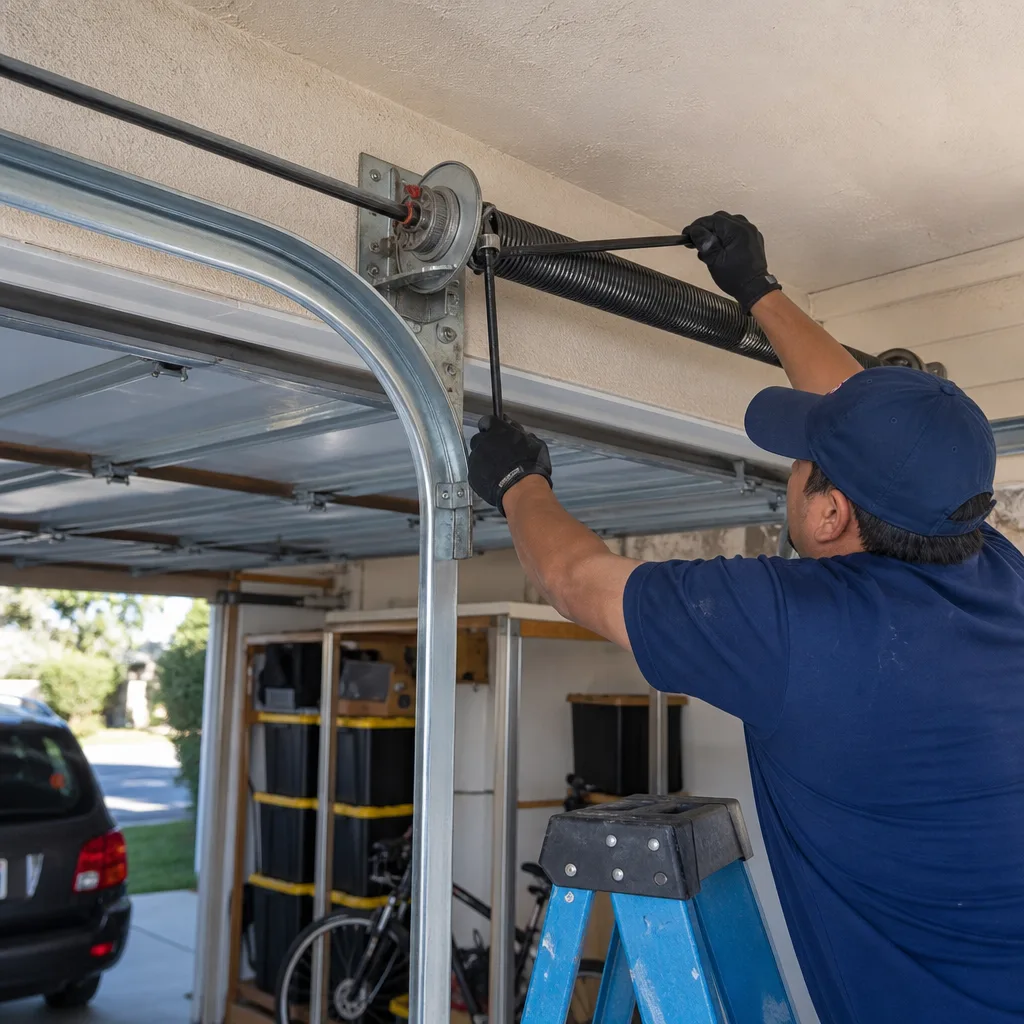
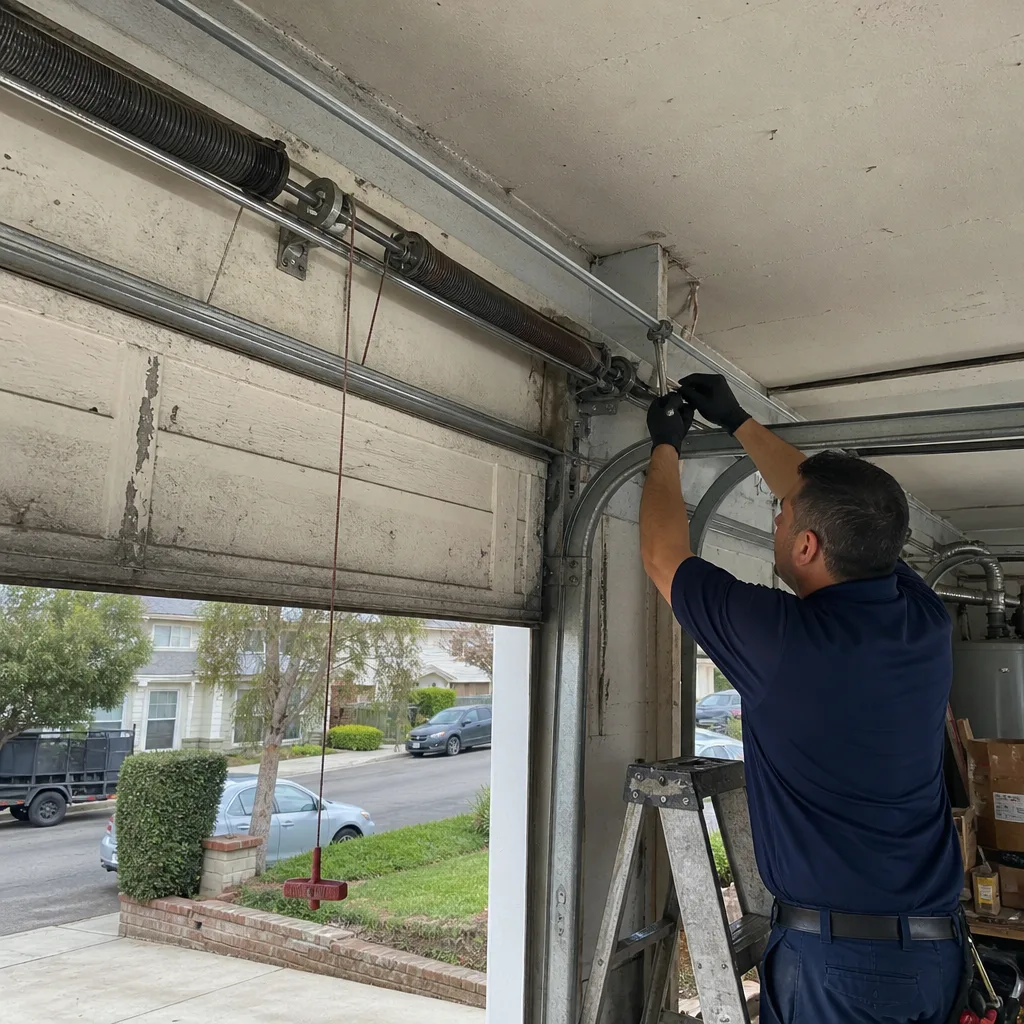
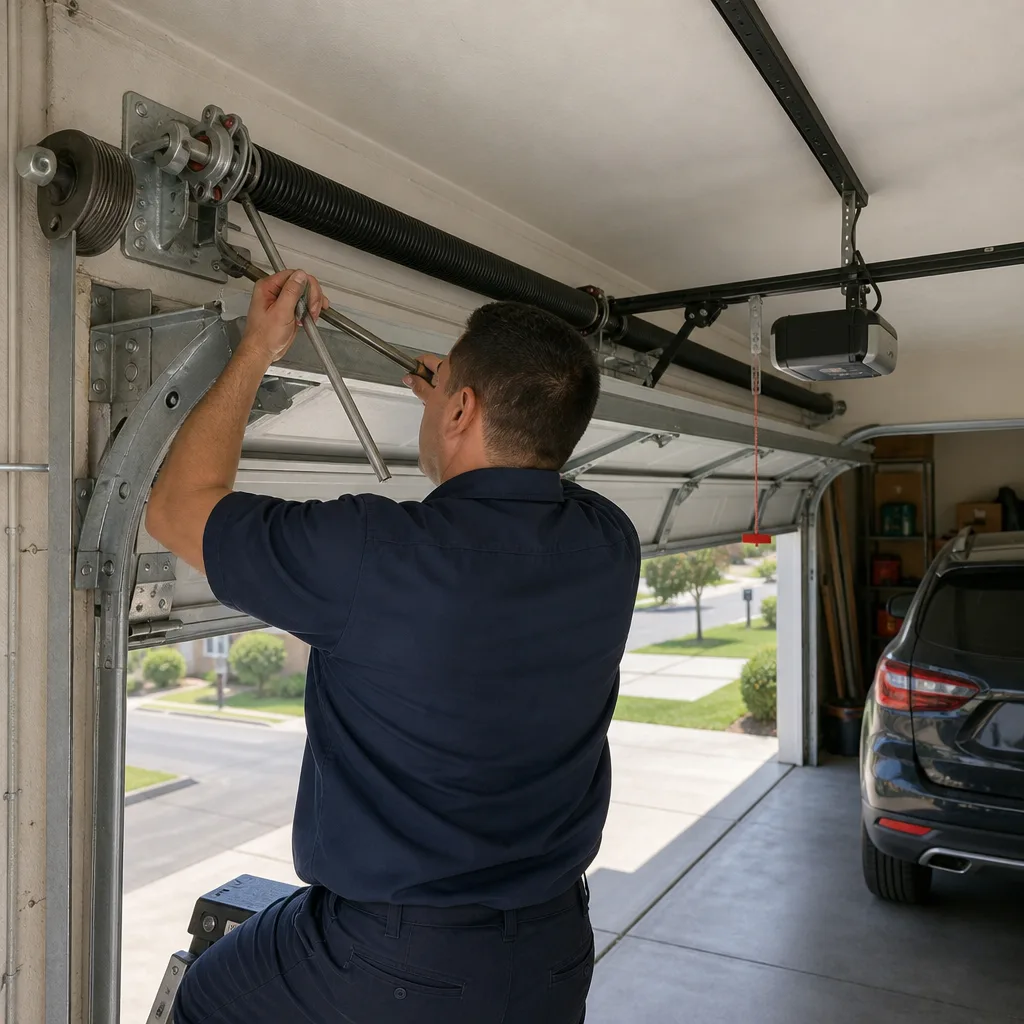
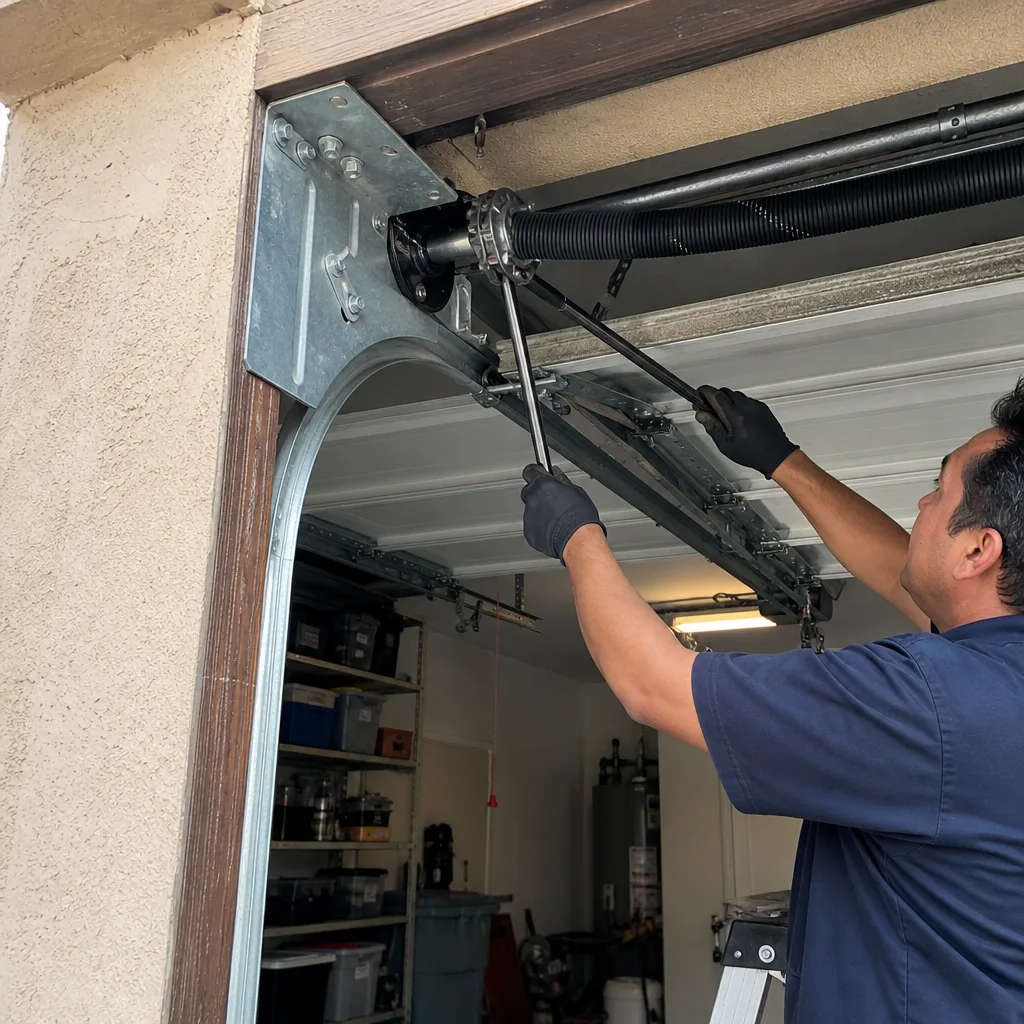
A torsion spring sits above the door on a metal rod, and it’s wound tight to store the energy that counterbalances your door. When a tech installs or removes one, they use specially forged winding bars and wind the spring a precise number of quarter-turns. If one of those bars slips, or if the spring breaks while under tension, the released energy can shatter bones, remove fingers, or worse.
We’ll say it plainly: torsion spring replacement is the single most dangerous home repair that doesn’t involve electricity or heights. The springs are rated for a specific number of cycles, typically 10,000, which for most Glendora homeowners means seven to ten years. When one breaks, the sound is like a gunshot inside the garage, and the door becomes effectively immovable because the opener can’t lift 300 pounds of dead weight on its own.
Replacement involves matching the spring’s wire gauge, inside diameter, and length to the door’s exact weight. Getting any of these wrong leaves the door unbalanced, which strains the opener, wears out the other spring, and can launch the door off the track. The parts cost $60 to $100 for a pair, but the training and tools to install them safely aren’t something a YouTube video can give you.
2. Cable Replacement on Torsion Systems
The cables on a torsion system run from the bottom brackets, up the sides of the door, and across the drum plates at the top. These cables are what transfer the spring’s energy to the door. When you see a frayed or snapped cable, it looks like a simple replacement job. It is not.
Replacing a torsion cable requires releasing the tension from the spring first. If you try to remove a cable while the spring is still wound, the spring will unwind the cable drum violently the moment you free it. That’s another hospital visit waiting to happen. And even if you somehow avoid injury, reinstalling the cable correctly requires tensioning the system back to spec with winding bars.
Any cable that rides on a torsion spring system is a professional job. Period.
3. Header Bracket Work Under Load
The header bracket is the steel plate bolted to the wall above your door. It anchors the torsion spring rod in place. If the bracket has pulled loose, the spring assembly is no longer secured, which means the full stored energy of the springs is sitting on a loose anchor point. Any attempt to re-tighten or reposition that bracket while the spring is wound is asking for the entire assembly to release at your face.
A tech will unwind the springs, remove the rod, re-anchor the bracket with proper lag bolts, and re-tension the whole system. This is not a job you improvise.
The Tool and Parts Cost Reality Check
One of the biggest arguments for DIY is cost savings, and for the five safe tasks above, that math is real. But for the jobs homeowners sometimes try to stretch into, the savings evaporate quickly once you account for the specialized tools.
Here’s what a bottom seal replacement actually costs a Glendora homeowner doing it themselves versus paying a tech:
| Item | DIY Cost | Professional Cost |
|---|---|---|
| Universal bottom seal kit | $20-$35 | Included in service |
| Utility knife (if you don’t own one) | $10 | – |
| Flathead screwdriver | $5 (most homeowners own one) | – |
| Service call labor | – | $85-$150 |
| Total | $25-$45 | $85-$150 |
For weatherstrip, DIY wins. The tools are basic, the risk is zero, and you keep the knife for future projects.
Now here’s the same math for a torsion spring replacement:
| Item | DIY Cost | Professional Cost |
|---|---|---|
| Pair of torsion springs (correct spec) | $60-$100 | $180-$300 including parts |
| Winding bars (forged, not pipe) | $30-$40 | – |
| Tension gauge | $20-$40 | – |
| Emergency room co-pay if the bar slips | $500-$5,000+ | – |
| Total | $110-$180 + risk | $180-$300 |
The savings on a torsion spring, even if you buy all the right tools and nothing goes wrong, comes to maybe $70 to $120. For a job that requires winding a spring under 400 pounds of torque inches from your face. That’s the math where professional labor wins, and it’s the one time in this guide where we’ll say it outright: pay the tech.
If you’re weighing a full replacement versus a repair, our Garage Door Installation in Glendora page breaks down when each makes financial sense.
California Legal Exposure: Who Owns the Permit?
Here’s the part of the DIY conversation almost no guide covers, and it matters more in Glendora than you’d think. California building codes treat garage doors as structural components of the home, which means certain work triggers permit requirements under specific conditions.
Under California Residential Code, replacing a garage door with a door of substantially similar size, weight, and mounting configuration does not require a permit in most jurisdictions, including the City of Glendora. But if your replacement involves enlarging the opening, changing the door from a single to a double width, or structurally modifying the header to accommodate a heavier door, you can cross into permit territory.
Here’s the scenario that matters at home sale: if unpermitted structural work is discovered during escrow, the seller is legally responsible for disclosing it. In California, the seller must complete a Transfer Disclosure Statement that specifically asks about any work done without permits. An unpermitted header modification on a garage door can delay closing, trigger a seller credit demand from the buyer, or, in the worst case, require the seller to have the work retroactively permitted and inspected before the sale can proceed.
A licensed contractor who pulls the proper permits on permitted work is accountable for that work. When you DIY structural changes to a garage door system and skip the permit, you own that exposure forever. It doesn’t surface at the time of the work. It surfaces at the worst possible time: when money is already on the table.
We’ve seen this in Glendora, especially in the older housing stock near Foothill Boulevard and up into the Glendora foothills, where garage door openings were built to older specifications that don’t always accommodate modern insulated doors without header modifications. Before you start cutting into the framing above your garage door, check with the City of Glendora Building and Safety Division. The responsible party on unpermitted work is always the homeowner who did it, and that’s a liability you don’t want to carry into a sale.
How to Use a Multi-Brand Shop to Your Advantage on DIY Projects
Here’s a truth most single-brand shops won’t tell you: a good garage door tech wants you to succeed on your DIY projects. Not because we’re generous, but because homeowners who understand their door systems become better customers. They maintain their doors properly, they catch problems early, and when they do call us, they can describe the issue accurately.
A multi-brand shop has a structural advantage here. A company that only sells or services one brand of opener has every incentive to tell you your Raynor door is obsolete and needs full replacement, because that’s their product line. A shop certified across LiftMaster, Chamberlain, Genie, Clopay, Amarr, Wayne Dalton, Craftsman, and Raynor has no reason to steer you away from a repair, because they can source parts for whatever you own.
That changes the dynamic on DIY advice. When you call a multi-brand shop and ask whether a job is safe to do yourself, you get an honest answer, because the tech isn’t protecting a product line. If you own a Wayne Dalton door with a broken spring and we tell you it’s a professional job, it’s because it’s a professional job, not because we want to sell you a new Wayne Dalton door.
This is how you should use a multi-brand shop for your DIY projects:
- Call and describe the symptom before you touch anything. A five-minute phone conversation can tell you whether you’re dealing with a sensor alignment issue or a spring failure. That diagnosis is free and it can save you hours of frustration.
- Ask what parts you’d need. If the job is a safe DIY, a good tech will tell you the part name and what it costs. If they’re vague about the answer, that’s your signal it’s not a simple fix.
- Ask what it would cost to have someone else do it. This gives you the benchmark for your own cost-benefit calculation, and it tells you whether the shop is pricing honestly.
- Know what you don’t know. If a tech says a job involves the springs, the cables, or the header bracket, stop. Thank them. Call a professional.
We work on every major garage door and opener brand, which means when we tell a Glendora homeowner that a job is service-worthy, it’s because the job is genuinely service-worthy. And when we say you can handle something yourself, we mean it. You’ll save money. We’ll see you when something actually breaks.
If you’re looking for a general overview of how we approach repair work, the Garage Door Service Glendora home page outlines the full picture.
Common Mistakes to Avoid
- Using WD-40 as lubricant. WD-40 is a penetrating solvent, not a lubricant. It strips away the existing grease and leaves metal parts drier than before. Use silicone spray or white lithium grease on all moving parts.
- Lubricating the track. The track should stay dry. Lubricating it makes the rollers slip, which reduces the door’s grip and can cause the door to bind or jump off track. Lubricate the rollers, hinges, and bearing plates, never the rail itself.
- Touching red-handled emergency release cords casually. That cord disengages the opener from the door. If you pull it while the door is open, the door may slam shut under its full weight. Pull it only when the door is closed or fully supported.
- Tightening track bolts without checking alignment. Tightening loose track bolts on a Glendora home after a seismic tremor is fine, but if you overtighten or tighten while the track is misaligned, you lock the misalignment into place. The door will bind, and you’ve made the problem worse.
- Assuming a noisy door just needs oil. Noise can mean dry hinges, but it can also mean a failing spring, a worn roller, or a stressed opener. If lubrication doesn’t quiet the door within a day, the noise is a symptom of something else. Pay attention to it.
- Replacing one torsion spring instead of both. Torsion springs are installed in pairs and wear at roughly the same rate. If one breaks, the other is close behind. Replacing only the broken spring means paying labor twice when the second one fails months later. Replace both.
- Bending the track back into shape by hand. A bent track needs replacement or professional alignment. Hand-bending metal track weakens the steel and creates stress points that will fail under load. This is a professional repair, not a DIY fix.
When to Call a Professional
Call a professional the moment your garage door problem involves the springs, the cables, or the header bracket. Those three components carry the stored energy of the door, and when they fail, they fail violently. If your door makes a loud bang and won’t open, if you see a gap in a spring, if a cable is frayed or hanging loose, stop what you’re doing and call. The door is now a hazard, not an inconvenience.
Also call a professional if your door is off its track, if the opener motor runs but the door doesn’t move, or if you’ve tried the five safe DIY tasks and the problem persists. Garage Door Repair in Glendora covers each of these scenarios in more detail, and Garage Door Service Glendora offers free estimates in the area. Call (855) 382-3042 and describe what you’re seeing. We’ll tell you honestly whether it’s a phone fix, a service call, or something you can handle yourself.
Frequently Asked Questions
Torsion spring replacement in Glendora typically costs $180 to $300 including parts and labor for a standard double-wide residential door. The springs themselves cost $60 to $100 per pair, and the labor accounts for the skill and risk involved in winding them safely. Single-car door springs cost slightly less, and custom or oversized doors cost more. Call (855) 382-3042 for an exact quote for your specific door.
No. Torsion spring replacement requires specialized winding bars, precise tension calculations, and a working knowledge of how stored mechanical energy behaves when released. A slipped winding bar under 400 pounds of torque can cause permanent injury. Extension spring systems are less dangerous to work on than torsion systems, but they still require proper containment cable installation, and they’re still best left to a professional. We’ll say it plainly: spring replacement is the one garage door job where paying a tech is always the right call.
Replace the bottom weatherstrip when it cracks, lubricate the hinges, rollers, and bearing plates with silicone spray twice a year, check the photo eye sensors when the door reverses unexpectedly, program or replace the keypad when the code stops working, and clear minor debris from the track. None of these tasks requires touching the spring system or opening the door’s structural components. All of them take less than an hour.
Most garage door repairs and like-for-like replacements in Glendora do not require a permit. Work that modifies the door opening, changes the structural header, or alters load-bearing framing can trigger permit requirements under California Residential Code and Glendora municipal code. If you’re not sure, call the City of Glendora Building and Safety Division before starting. Unpermitted structural work becomes a disclosure issue at home sale and can complicate escrow.
Most garage door service calls in Glendora run between $85 and $150 for the visit and diagnosis, with parts and labor quoted separately. The total cost depends on what’s wrong: a sensor realignment or lubrication job might be covered by the basic call fee, while a spring replacement runs $180 to $300. The price is always quoted and agreed before any work starts, so you’ll never face an invoice bigger than your quote. Call (855) 382-3042 for a free estimate.
Most garage door repairs are completed in a single visit of one to two hours. Spring replacements, bottom seal installation, sensor realignment, and roller changes are all same-visit jobs. Larger projects like full door replacement or work that requires parts not commonly stocked may take longer, but the diagnosis is always immediate. Call (855) 382-3042 and we’ll tell you what to expect before we arrive.
We work on all eight major brands: LiftMaster, Chamberlain, Genie, Clopay, Amarr, Wayne Dalton, Craftsman, and Raynor. That matters because single-brand shops will often tell you that a repair on a brand they don’t carry means a full replacement. We repair whatever brand you already own. For opener-specific issues, see our Garage Door Opener Repair in Glendora page.
The Bottom Line
DIY versus professional garage door work isn’t a skill question. It’s a physics question. The five safe DIY tasks, weatherstrip, lubrication, sensors, keypad, and track debris, save you real money and require tools you already own. The three never-DIY jobs, torsion springs, torsion cables, and loaded header brackets, carry injury risk that no amount of YouTube confidence can offset. And in Glendora specifically, the legal exposure from unpermitted structural work adds a long-term cost to short-term DIY savings that most homeowners never see coming. Know the line. Stay on the safe side of it. And when you need a professional, call someone who works on your brand, whatever that brand is.
Written by the team at Garage Door Service Glendora, serving Glendora since 2014.
See the difference
 Before
 After
 Before
 After
 Before
 After