
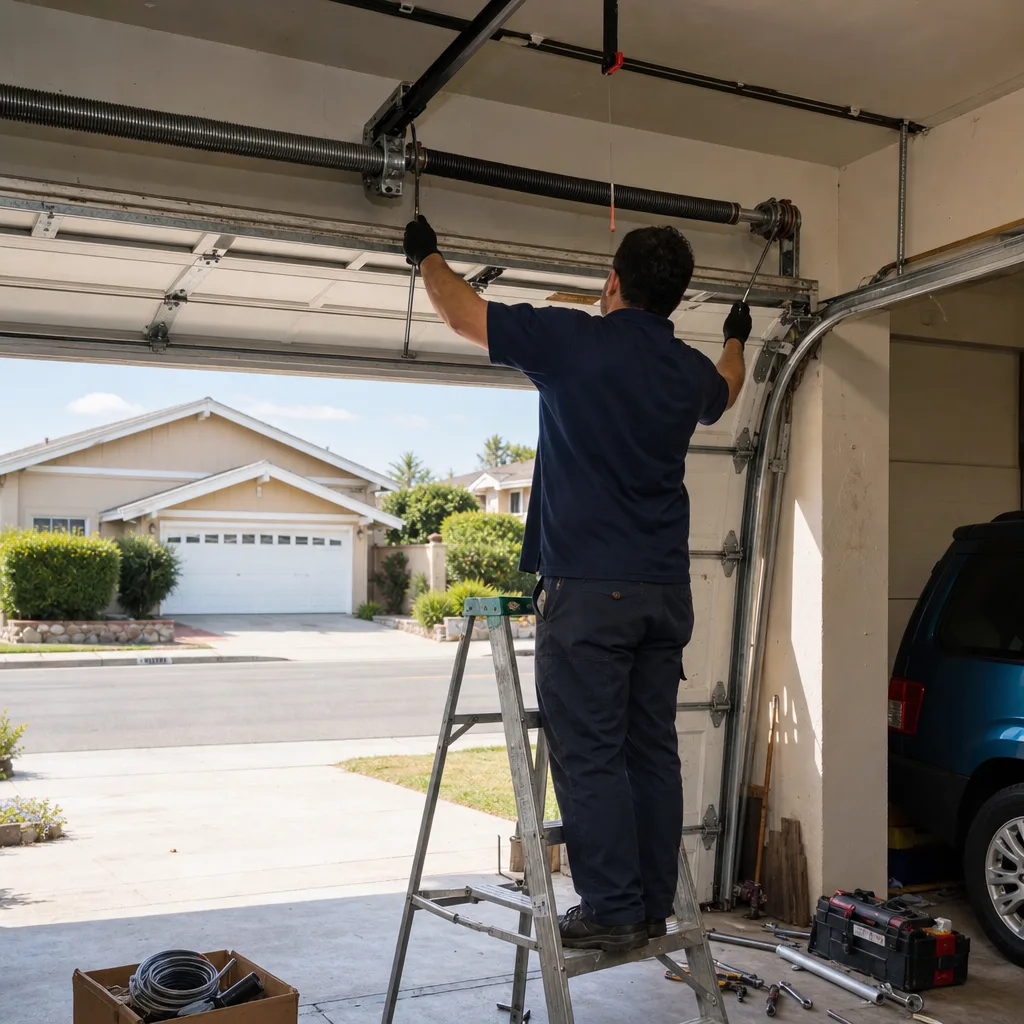
Last updated November 2, 2026
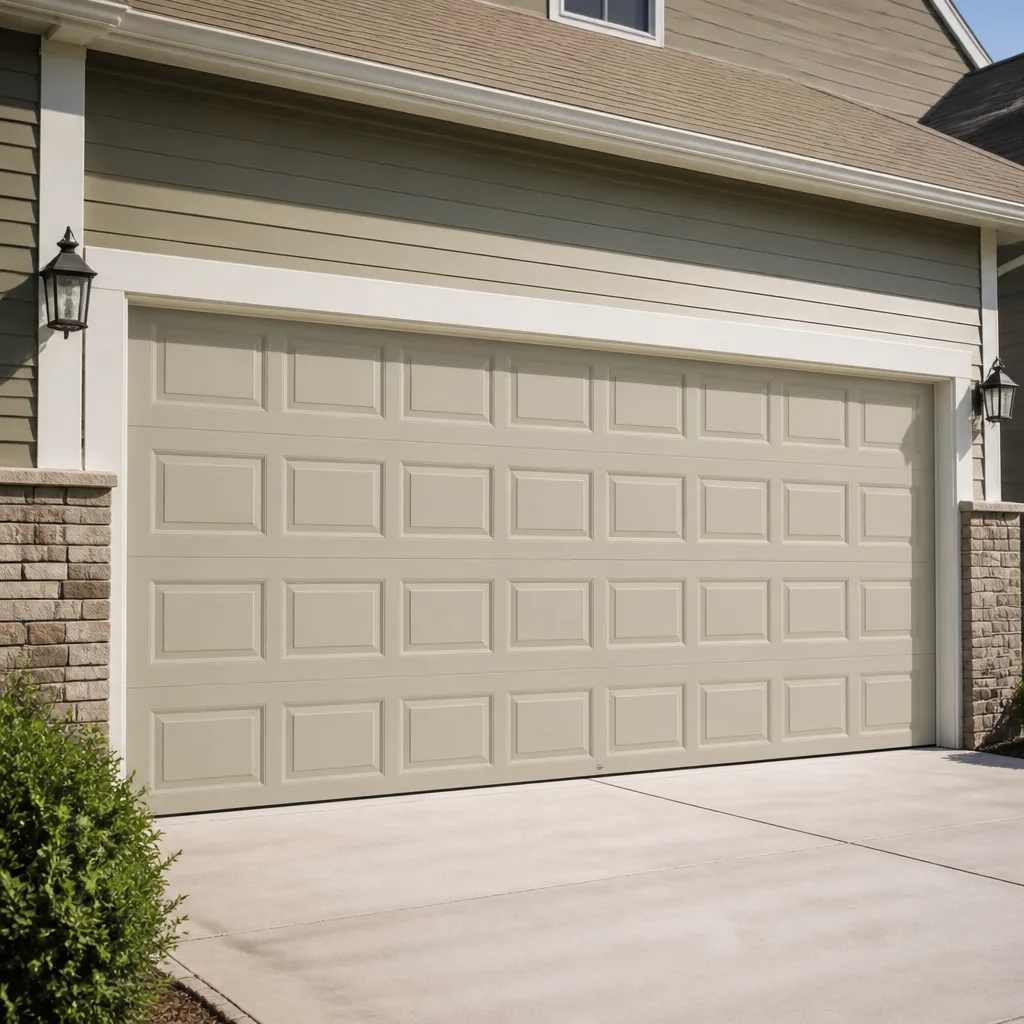 Raised-panel steel
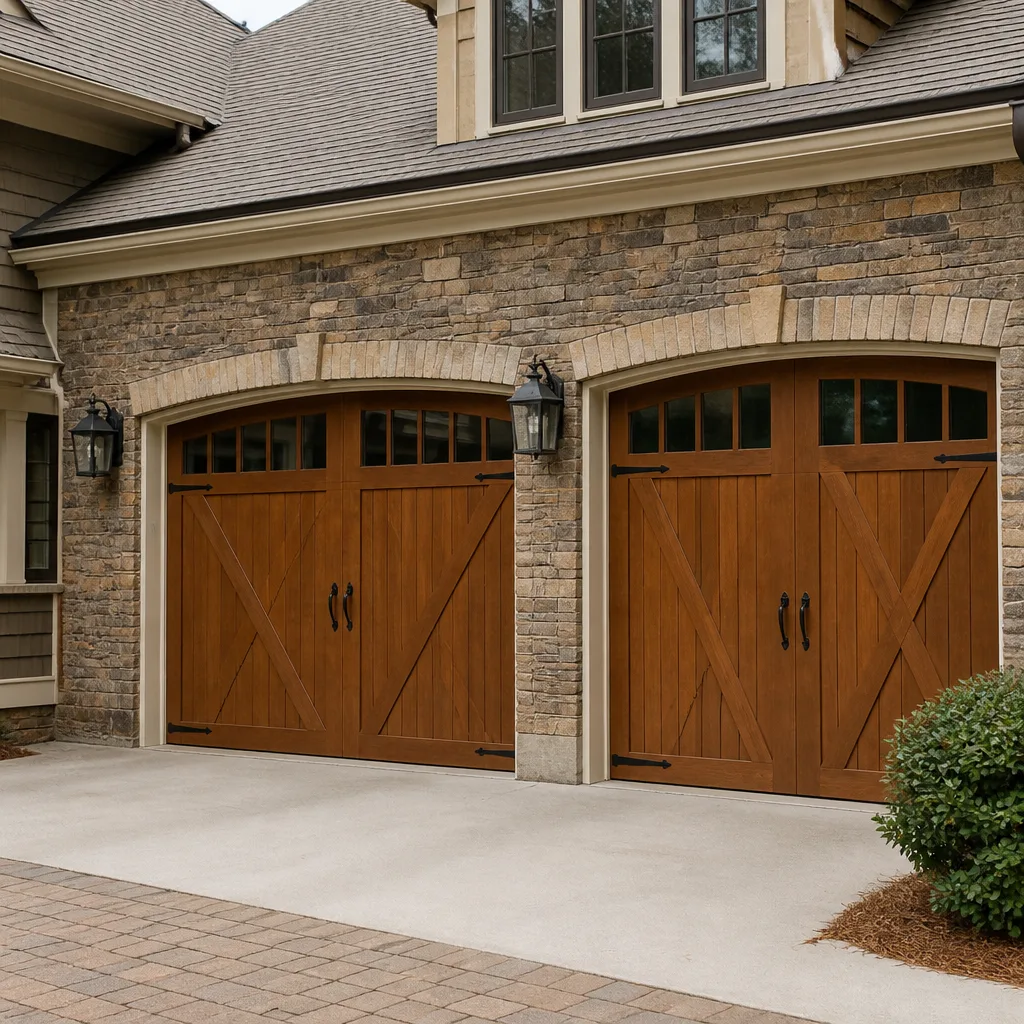 Carriage house
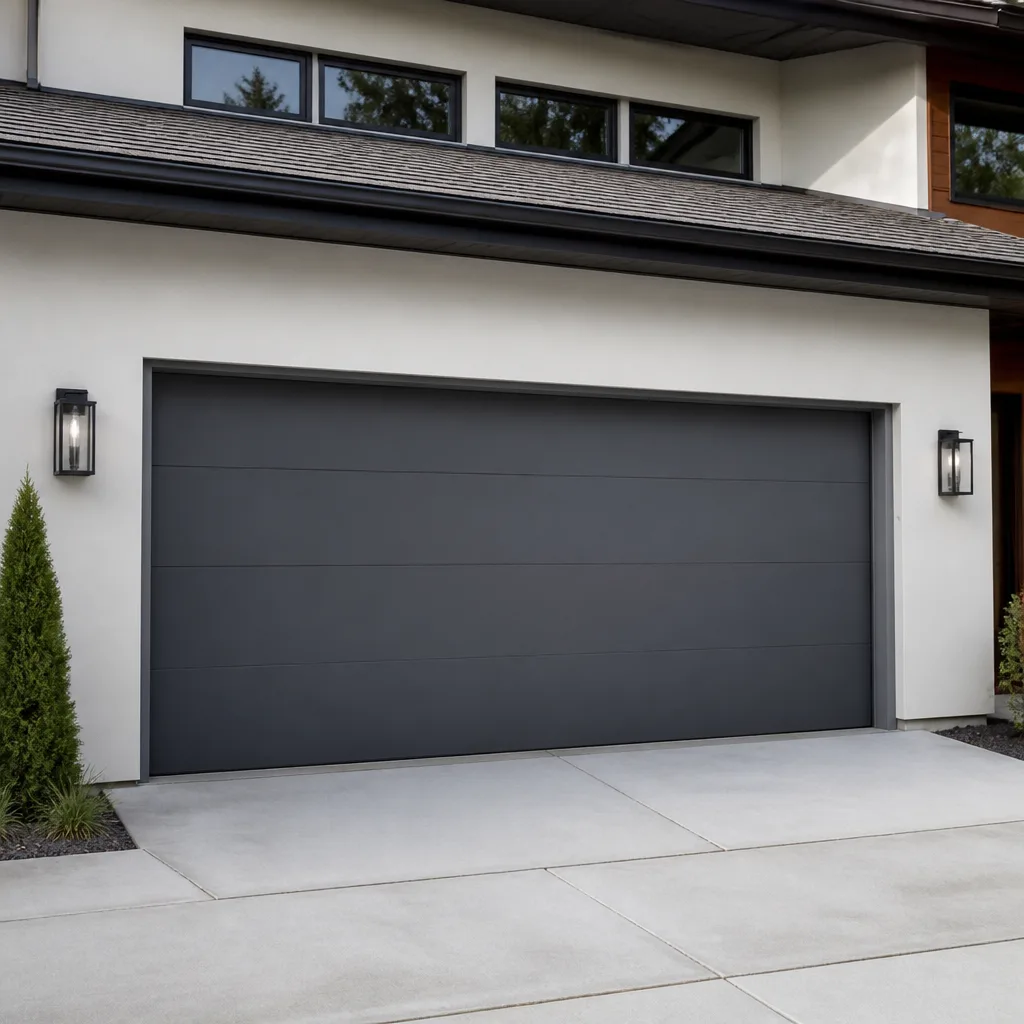 Modern flush
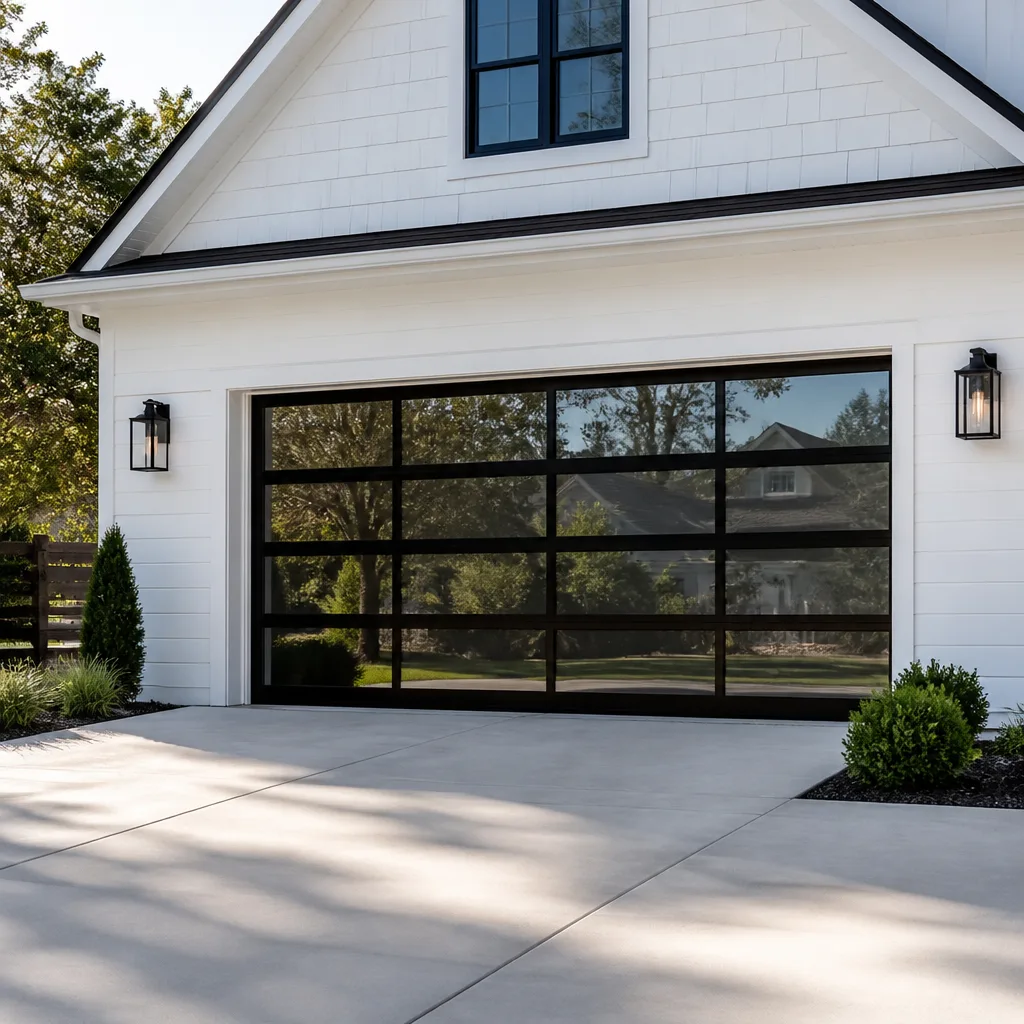 Full-view glass
 LiftMaster openers
 Chamberlain openers
Full 25-point door and opener safety check with every visit - springs, cables, rollers, tracks, and your LiftMaster or Chamberlain opener included
You get a price before we start. It does not change when the truck arrives.
Get your free estimateGarage Door Permits, Codes & Inspections in CA: What You Need to Know
Here’s a fact that catches most Glendora homeowners off guard: a garage door replacement that sails through inspection in Covina can fail in Glendora for reasons that have nothing to do with the door itself. Glendora adopted a 2022 local amendment requiring upgraded header brackets on spans over 16 feet, and almost nobody knows it exists until a retrofit is ordered mid-project. This guide draws the actual line between permit-required work, exempt work, and the gray zone in between. You’ll learn what California’s Residential Code actually says, what Glendora adds on top of it, and how unpermitted work can surface years later when you sell your home.
Quick Answer
Most like-for-like garage door replacements in California do not require a permit, but structural modifications, new openings, and work involving attached-garage fire separation almost always do. Glendora adds local requirements beyond the state code, including a header bracket rule for wide openings. When in doubt, call the City of Glendora Community Development Department before the first hole is drilled. We’ve walked enough homeowners through this to know a five-minute phone call beats a stalled escrow.
Styles & brands we work with
- Raised-panel steel
- Carriage house
- Modern flush
- Full-view glass
- LiftMaster openers
- Chamberlain openers
Table of Contents
- California State Code vs. Glendora Local Amendments: Where the Rules Split
- What Actually Triggers a Permit: The Replacement vs. Like-for-Like Distinction
- Fire-Rated Door Requirements Between Attached Garages and Living Space
- Why Unpermitted Garage Door Work Complicates a Home Sale
- How to Get a Retroactive Permit in Glendora: Process, Timeline, and Cost
- What Inspectors Actually Check During a Garage Door Inspection
- Common Mistakes to Avoid
- When to Call a Professional
- Frequently Asked Questions
California State Code vs. Glendora Local Amendments: Where the Rules Split
California’s residential garage door rules start with the California Residential Code (CRC), specifically Chapter 3, Section R302, which covers fire-resistant construction and garage-to-dwelling separation. The state code is the floor, not the ceiling. Cities can and do add requirements on top of it, and Glendora has one of the more overlooked local amendments in the San Gabriel Valley.
The 2022 Glendora amendment we referenced at the top is a real example of how this works. The CRC requires garage door headers to carry the structural load above the opening, but it does not mandate a specific bracket configuration for wide spans. Glendora’s Community Development Department adopted supplementary language requiring upgraded header brackets on openings spanning more than 16 feet. That’s a door-and-a-half or two-car garage width, which means a significant portion of Glendora homes are affected. A contractor who pulls state code only will miss it. A contractor who does work in Glendora every week will have already built it into the quote.
Here’s what sits in the state code versus what Glendora layers on:
- CRC R302.5: Requires the separation between an attached garage and the residence to be at least 1/2-inch gypsum board on walls and 5/8-inch Type X on the ceiling when living space sits above.
- CRC R302.5.1: Requires the door between the garage and the house to be solid wood, solid or honeycomb-core steel, or a 20-minute fire-rated door.
- Glendora amendment: Expanded header bracket requirement for spans over 16 feet, beyond the state minimum connection requirements.
- Glendora practice: Plan check review for any new opening or enlargement, even if the state code would technically classify it as minor work.
We service doors in neighboring cities too, and we’ve seen how this plays out. A homeowner in Azusa gets a quote from a contractor who has never worked Glendora. The price comes in lower. The work gets done. The door works fine. Two years later, a home inspector flags the header brackets during a sale, and the buyer’s lender asks for a retroactive permit. Suddenly that “savings” costs more than the original difference. This is the practical reason we keep a current copy of Glendora’s amendments in the truck. Our Garage Door Installation in Glendora process starts with a code check, not a tape measure.
What Actually Triggers a Permit: The Replacement vs. Like-for-Like Distinction
The single most important concept in California garage door permitting is the difference between a like-for-like replacement and a modification. Understanding this before you call any contractor will save you either money or headache, depending on which side of the line your project falls on.
A like-for-like replacement means you’re removing an existing garage door and installing a new one in the same opening, with the same opening dimensions, the same header condition, and no changes to the surrounding framing. In most California jurisdictions, including Glendora, this does not require a permit. The door itself is a finished product installed into an existing, already-approved opening.
A modification triggers permitting. Here are the specific Glendora triggers:
- Changing the opening width or height: Even by a few inches. This means new header work, new framing, and structural review.
- Cutting a new garage door opening where one did not exist before.
- Converting a carport to a garage with a new overhead or roll-up door.
- Installing a new header or replacing a damaged one: If the existing header is compromised and must be rebuilt, that’s structural work and it needs a permit regardless of whether the door opening dimensions change.
- Replacing the door on an attached garage where fire-separation upgrades are being done simultaneously: If you’re also re-drywalling the garage, the scope changes.
Glendora’s Community Development Department uses dollar-value thresholds as a secondary guide, but the primary test is scope. A $4,000 like-for-like replacement typically does not need a permit. A $2,500 job that involves modifying the opening does. Money spent is not the deciding factor. What’s being changed is.
One of the least understood triggers is the opener. Replacing an opener motor unit, like swapping an old Genie for a new LiftMaster, is almost universally exempt from permitting when the mounting points and wiring stay in place. But adding a new outlet for an opener where none existed requires an electrical permit. If your garage was built before openers were standard and you’re adding one, that outlet is the trigger, not the opener itself.
Our Garage Door Repair in Glendora team checks the permit status before quoting any job that touches the opening. We’d rather tell you upfront that a permit is needed than discover it mid-project and hold up the work.
Fire-Rated Door Requirements Between Attached Garages and Living Space
Here’s a code section that affects far more homeowners than they realize, and it’s not about the big vehicle door at all. The door that connects your attached garage to the interior of your house has one of the strictest requirements in the entire residential code.
California’s CRC requires that any door between an attached garage and the living space meet one of three standards: solid wood construction at least 1-3/8 inches thick, solid or honeycomb-core steel construction at least 1-3/8 inches thick, or a listed 20-minute fire-rated door assembly. The 20-minute rule exists because the garage is the most likely room in your house for a fire to start. Vehicles, fuel containers, and stored chemicals create a hazard that the rest of the house doesn’t have. That door is the barrier.
Here’s what this actually means when you’re replacing a garage entry door in Glendora:
- You cannot install a hollow-core interior door. It does not meet the standard, and any inspector will flag it immediately.
- You cannot install a door with glass panels unless those panels are fire-rated, which is rare and expensive.
- You must maintain the door’s self-closing and self-latching function. If the hinges sag or the latch doesn’t seat, the door doesn’t meet code.
- The threshold between the garage and the house should be raised or sealed to prevent fuel vapors from migrating into living space.
This code section matters for your main garage door project too, in a less obvious way. When Glendora inspectors review a garage door replacement, they often check the condition of the interior door while they’re on site. If your interior firewall door is a hollow-core flip done by a previous owner, an inspector may note it – one of the Garage Door Warning Signs: A Glendora Homeowner’s Reference Guide covers. That’s how a straightforward vehicle door replacement turns into a second project.
From our work across Glendora, we can tell you that older homes in the northern foothills area and the neighborhoods east of Glendora Avenue are where we see the most non-compliant interior doors. These homes predate stricter enforcement or were modified during eras when code education was weaker. If you’re replacing your main door and you’ve never looked at your garage entry door, now is the time.
Why Unpermitted Garage Door Work Complicates a Home Sale
Here’s the part nobody tells you when they offer to do the job cheaper without a permit. The garage door work you save $300 on today becomes a $1,500 problem at closing, and sometimes it’s not even your closing.
Unpermitted work surfaces during home sales through two specific channels: the seller’s disclosure process and the title insurance search. Both are mandatory in California, and both work against a homeowner who skipped permits.
The seller disclosure route: California’s Seller Property Questionnaire (SPQ) and Transfer Disclosure Statement (TDS) require sellers to disclose any work done without required permits. This is not optional. Failing to disclose is grounds for a buyer to rescind the sale or sue after closing. When a seller truthfully checks the box, buyers typically respond in one of three ways: they ask for a price reduction, they ask for a retroactive permit before closing, or they walk. None of those outcomes favor the seller.
The title insurance route: Title companies run a permit search against the property’s legal description. If they find a newer garage door or a modified opening with no matching permit on file, they may add an exception to the title policy or require clearance from the city before issuing clean title. Some lenders will not fund a loan on a property with open code issues. This means a garage door replaced in 2019 without permits can block financing for the buyer in 2026.
In Glendora specifically, we’ve seen this play out with the header bracket amendment. A buyer’s home inspector flags a wide-span door with non-compliant brackets. The seller believed the work was permit-exempt because their contractor said so, but Glendora’s amendment made it permit-triggering. The sale stalls while the seller files for a retroactive permit, schedules an inspection, and pays for the retrofit. The total cost is always more than the original permit would have been.
The fix is not to avoid the work. It’s to determine permit status before the work starts and either file or document exemption. A good contractor in Glendora can tell you which side of the line your project sits on, in writing, before the first day of work.
How to Get a Retroactive Permit in Glendora: Process, Timeline, and Cost
If you already own a home with unpermitted garage door work, this section is for you. The process in Glendora is more approachable than most homeowners expect, and it’s significantly easier to resolve before you list the property than during escrow.
A retroactive permit, officially called a “permit for existing work” or “as-built permit,” is the city’s mechanism for bringing previously unpermitted construction into compliance. Here’s the process, step by step:
- Contact the Community Development Department: Call or visit City Hall and explain the situation. Glendora’s counter staff handles these inquiries regularly, and the conversation is not punitive. You will not be reported or fined for asking about process.
- Submit an application with as-built measurements: You’ll provide the opening dimensions, the door type, the header condition, and photos. If the work was recent and done by a licensed contractor, their records help. If not, the city will base the permit on what’s currently installed.
- Pay the permit fee: Glendora’s fee will include a base permit fee plus a retroactive surcharge. The surcharge exists to discourage skipping permits, but it is not a penalty in the criminal sense. Expect the retroactive permit to cost roughly 1.5 to 2 times the original permit fee.
- Schedule an inspection: A city inspector will visit the property and verify that the work meets current code. This is the step where the Glendora header bracket requirement gets caught if the original work predates the 2022 amendment and was not updated.
- Complete any required corrections: Most retroactive permit inspections result in a list of corrections, not a pass. Correct them, call for reinspection, and get the sign-off.
- Receive the final permit record: Once approved, the work is on file with the city, and the title issue disappears.
The typical timeline in Glendora is two to four weeks from initial application to final sign-off, assuming corrections are minor. If the header work is involved, add time for that construction and the follow-up inspection.
Cost varies with the scope, but a straightforward retroactive permit for a garage door replacement that should have been permitted typically runs in the $250 to $600 range in Glendora, including the surcharge. That’s a fraction of what an escrow delay costs.
What Inspectors Actually Check During a Garage Door Inspection
Walking into a Glendora garage door inspection without knowing what the inspector will examine is the easiest way to fail it, so review our Garage Door Repair Maintenance Checklist for Glendora Homeowners first. The good news is the list is finite and predictable. Here’s what you can expect:
- Header brackets and connection hardware: The inspector will verify that the header over the opening is properly sized and connected, including the Glendora-specific bracket upgrades on spans over 16 feet.
- Door operation and balance: The door must open and close smoothly, stay in place when opened halfway, and not bind at any point in the travel.
- Safety reverse mechanism: California requires that all automatic garage door openers have a working safety reverse system that detects obstruction and reverses. The inspector will test this with a physical object, not just a button press.
- Photo eye sensors: The electric eye sensors at the bottom of the door must be mounted no higher than 6 inches from the floor, aligned, and functional. This has been code since 1993, but inspectors still find older openers without them.
- Fire separation integrity: On attached garages, the inspector will check the walls and ceiling between the garage and living space for drywall damage or penetration that compromises the fire barrier.
- Interior door compliance: As covered earlier, the person door between house and garage must meet the 20-minute or solid-core standard, self-close, and self-latch.
- Wind load compliance: Some Southern California jurisdictions verify that the door is rated for local wind loads. A door certified for zones with lower wind requirements can fail this check, so confirm the rating before installation.
One note from our work on Garage Door Opener Repair in Glendora: the safety reverse test fails more inspections than anything else, and it’s almost always an older opener. Chamberlain and LiftMaster openers manufactured after the mid-1990s have reliable reverse mechanisms, but older Craftsman and Genie units sometimes pass the photo eye check and fail the physical obstruction test. If your opener predates the photo eye requirement, plan on replacing it before an inspection.
Common Mistakes to Avoid
- Assuming all garage door work is permit-exempt. A like-for-like replacement typically is, but any change to the opening, framing, or header pulls the project into permit territory. In Glendora, the 16-foot header bracket amendment creates a trigger most homeowners don’t know exists.
- Trusting an out-of-area contractor’s permitting knowledge. A contractor who pulls permits in Los Angeles or Pasadena may not know Glendora’s amendments. Ask specifically whether they’ve pulled garage door permits in Glendora in the last 12 months.
- Skipping the permit to save $200. The retroactive permit, the surcharge, the correction work, and the escrow impact always cost more than the original filing. Always.
- Replacing the interior garage door with a hollow-core door. It’s cheaper, it’s easier to carry, and it’s a code violation. Every time. The 20-minute fire rating exists for a reason.
- Not documenting a permit-exempt replacement. If your project is genuinely like-for-like and exempt, ask your contractor for a written statement saying so. This documentation helps at sale time when the title company asks questions.
- Testing the safety reverse by pushing the button only. Inspectors use a physical obstruction, and a worn reverse mechanism can fail that test while still reversing on a wall button press. Have your opener tested under load before inspection day.
When to Call a Professional
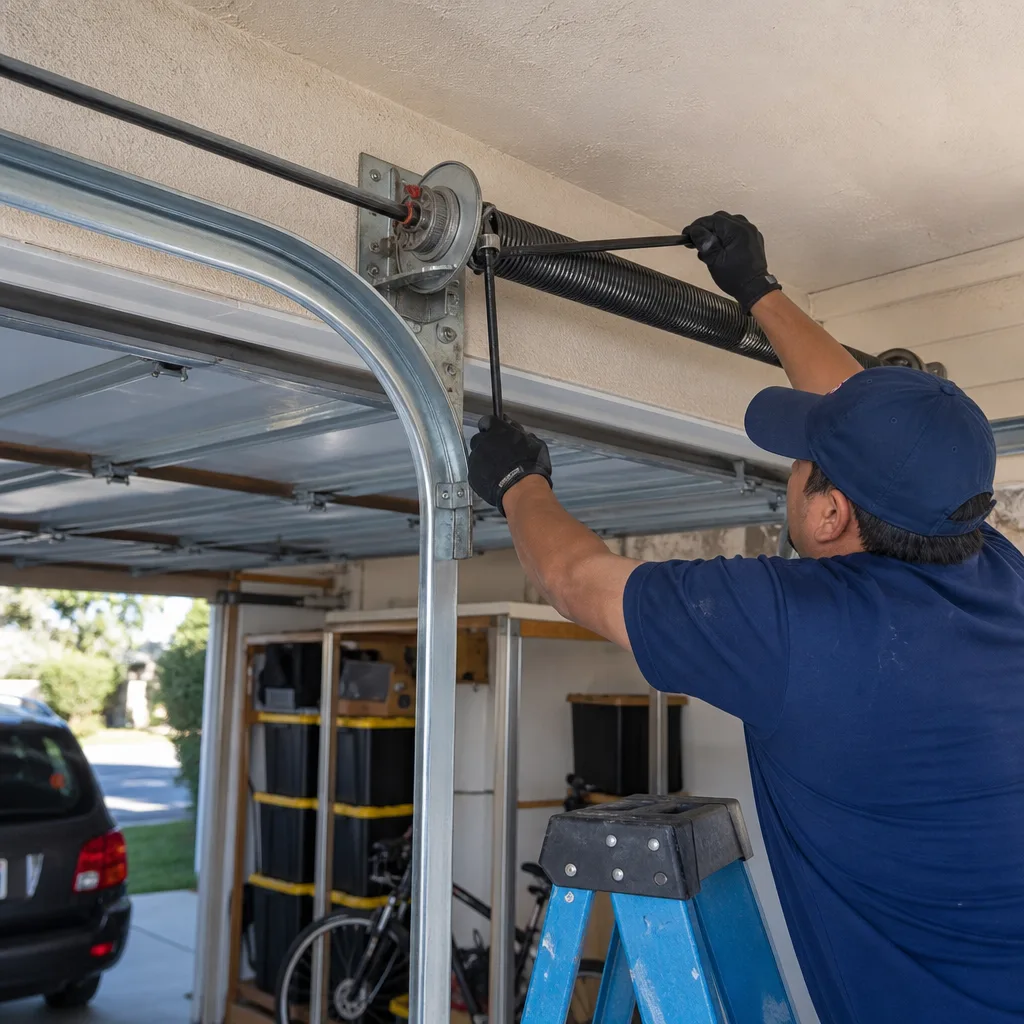
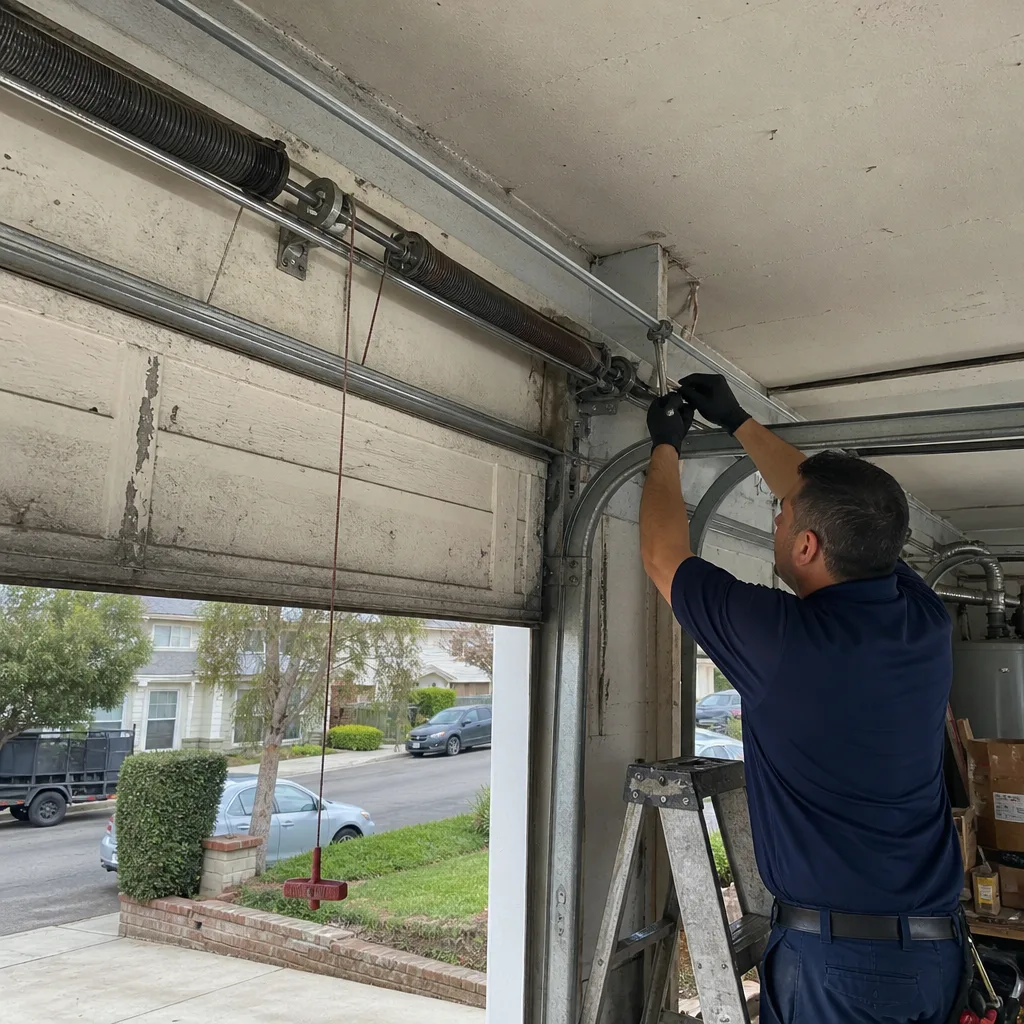
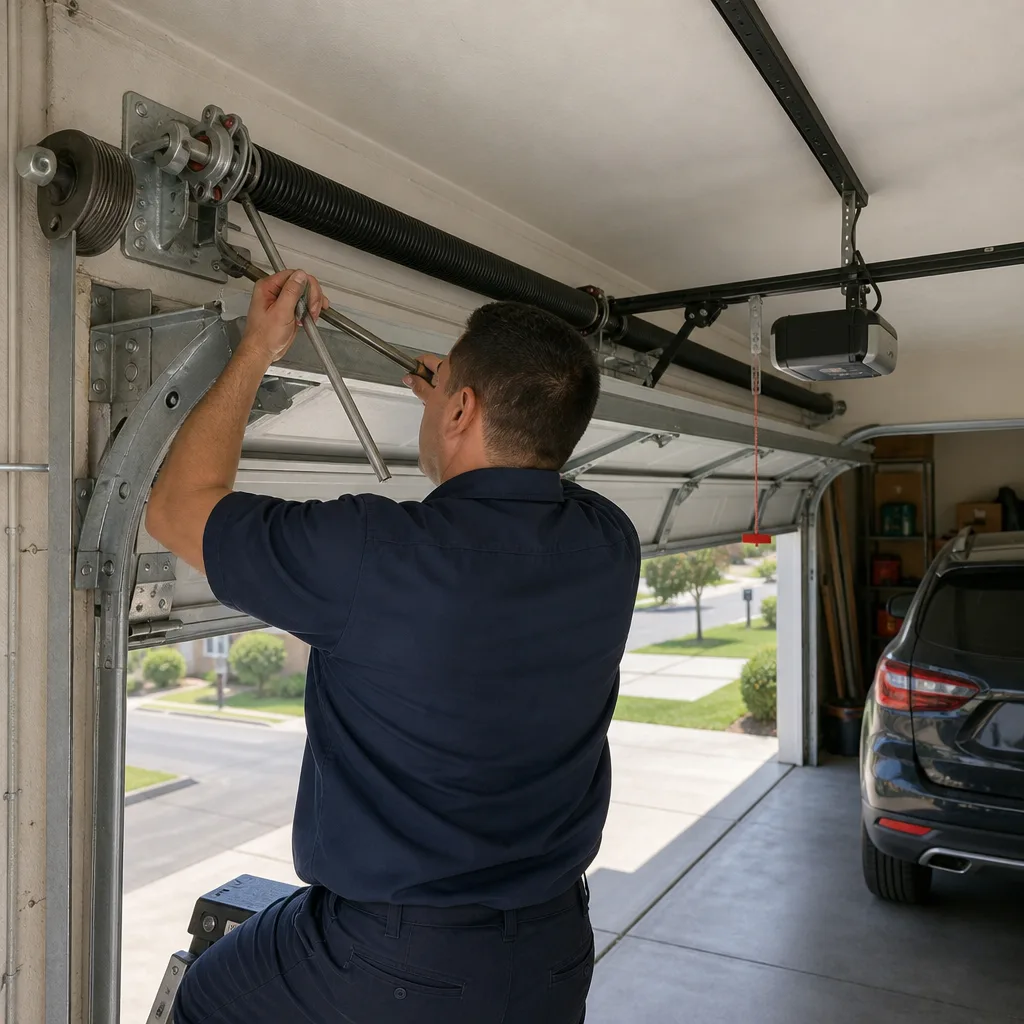
Some garage door work is genuinely DIY-friendly. Lubricating tracks, tightening bolts, and reprogramming remotes are fine to handle yourself. But any project involving springs, structural headers, or fire-rated assemblies is where the risk to your hands, your house, and your home sale exceeds the savings. Torsion springs store enough energy to cause serious injury when mishandled, and a header that fails under load is a structural problem, not a door problem. If your project touches an opening dimension, a spring, or a fire wall, involve someone who does this daily. Garage Door Service Glendora offers free estimates in Glendora and can assess your permit status, quote the work, and handle the city paperwork if it’s needed. Call (855) 382-3042 and we’ll tell you what you’re actually dealing with.
Frequently Asked Questions
Most like-for-like replacements in Glendora do not require a permit, but the answer changes if you’re altering the opening dimensions, rebuilding the header, or working on a span over 16 feet, which triggers Glendora’s local bracket requirement. The safest approach is to call the Community Development Department or work with a contractor who confirms the permit status in writing. We do this for every Glendora project before quoting.
Garage door permit fees vary by city, but in Glendora the typical range is $150 to $400 for straightforward work, with retroactive permits running higher due to the surcharge. The permit fee is separate from the door, opener, and labor. Call (855) 382-3042 if you want us to check the current Glendora fee schedule for your specific project.
Yes, Glendora processes retroactive permits for existing work through the Community Development Department, and the process takes two to four weeks in most cases. The key is bringing the work up to current code, which may mean upgrading header brackets or replacing a non-compliant fire door. We coordinate retroactive permits for Glendora homeowners regularly and can tell you what corrections will be required before you file.
A fire-rated door is built to resist fire spread for a specified time, typically 20 minutes for the door between an attached garage and living space, while a regular interior door has no fire resistance rating. The main vehicle door on your garage does not need a fire rating, but the person door between garage and house does. That door must be solid wood or solid steel at least 1-3/8 inches thick, or listed as 20-minute fire-rated.
Replacing a garage door opener motor using existing mounting points and existing electrical wiring is exempt from permitting in California and in Glendora specifically. If you need a new electrical outlet installed for the opener, that outlet requires an electrical permit. Most opener replacements we do, whether swapping a Genie for a LiftMaster or updating a Chamberlain, fall into the exempt category.
A garage door inspection in Glendora typically takes 20 to 40 minutes on site, and the inspection is usually scheduled within one to two weeks of the permit being issued. Most homeowners pass on the first or second attempt if the work was done to code. The most common first-inspection failure we see is the safety reverse mechanism on older openers.
The Bottom Line
Garage door permits in California come down to one question: are you replacing what’s there, or changing it? Like-for-like replacements usually skip the permit counter. Modifications, new openings, and wide-span structural work don’t. Glendora’s local amendments make the line tighter than most homeowners expect, especially on two-car and wider garage doors. The cost of checking is a phone call. The cost of guessing wrong is a retrofit, a surcharge, or an escrow delay years down the line. If you’re in Glendora and unsure where your project sits, we’ll tell you straight what the city requires and handle the paperwork if it’s needed, and you can find more guides & resources on our blog. That’s what working with a local crew who knows the amendments is for.
Written by the team at Garage Door Service Glendora, serving Glendora since 2014.
See the difference
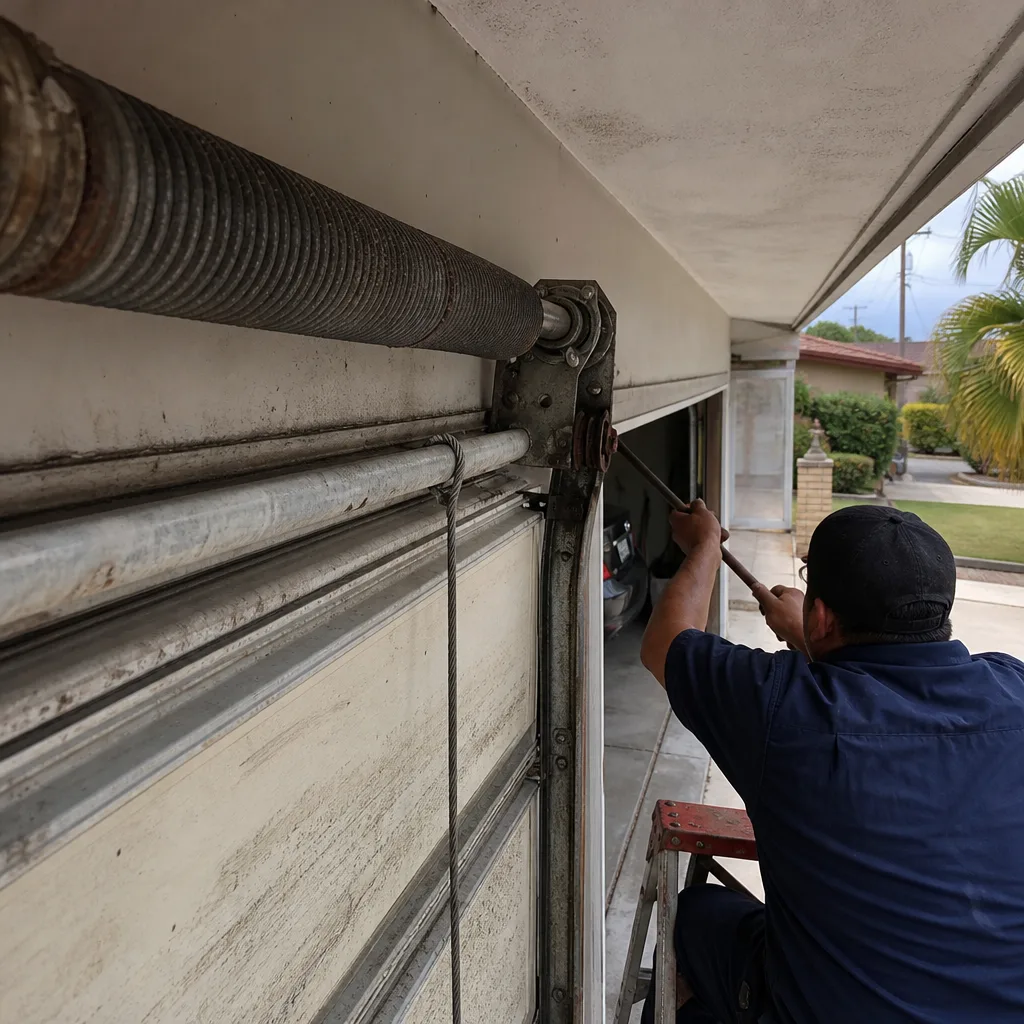 Before
 After
 Before
 After
 Before
 After