
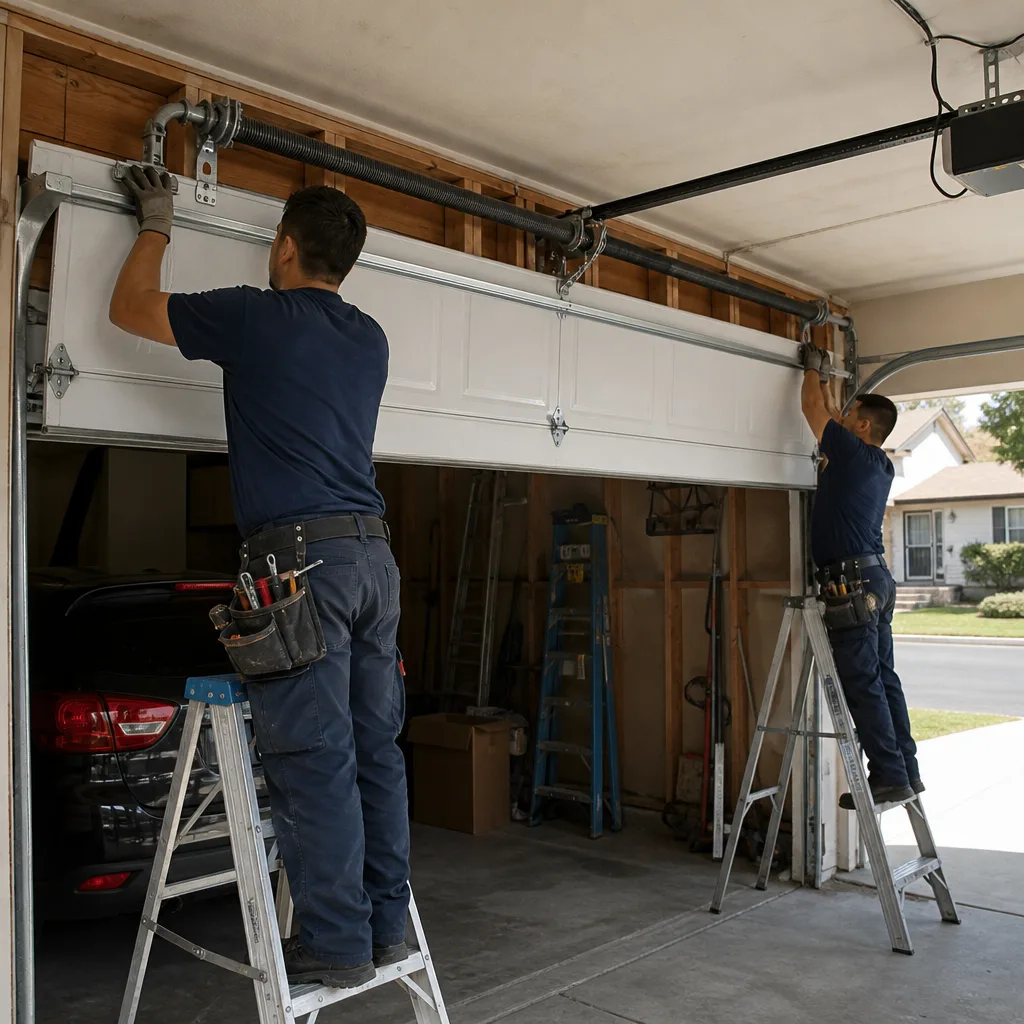
Last updated November 2, 2026
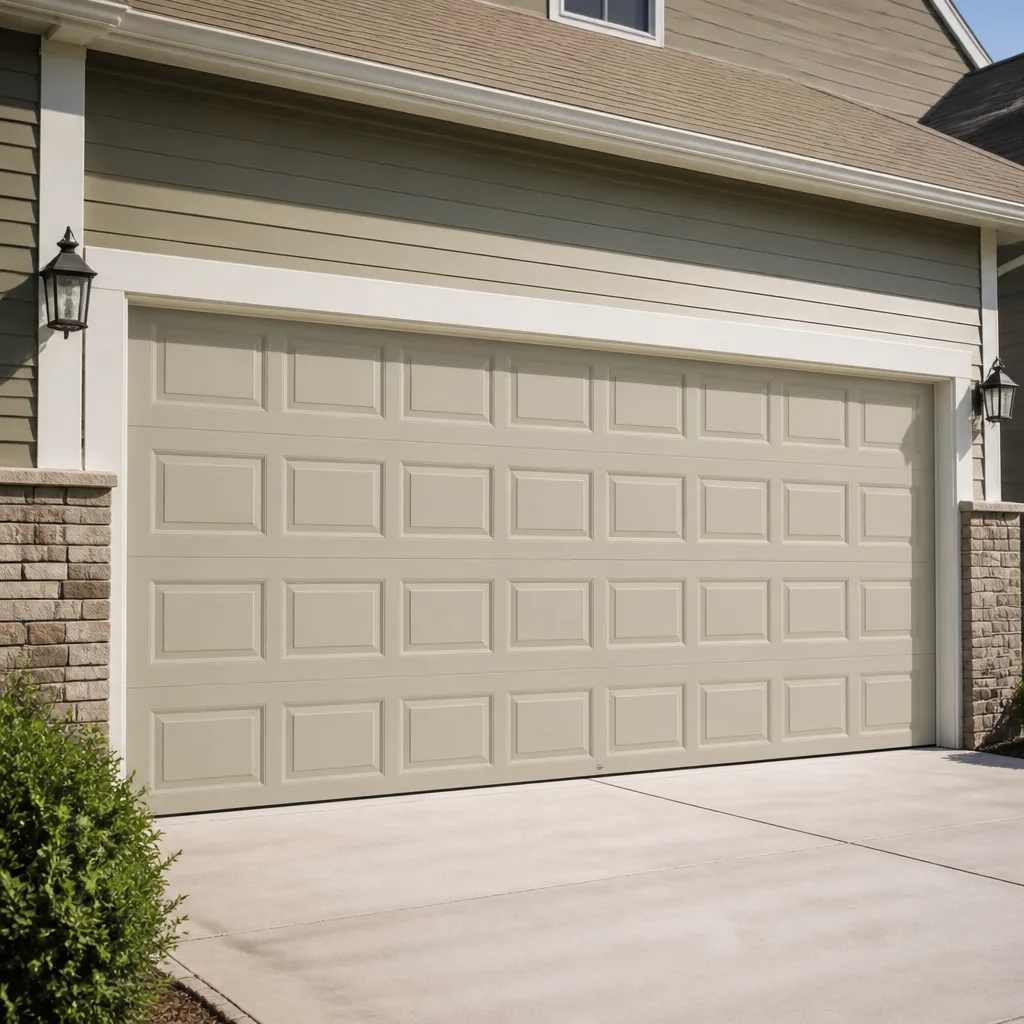 Raised-panel steel
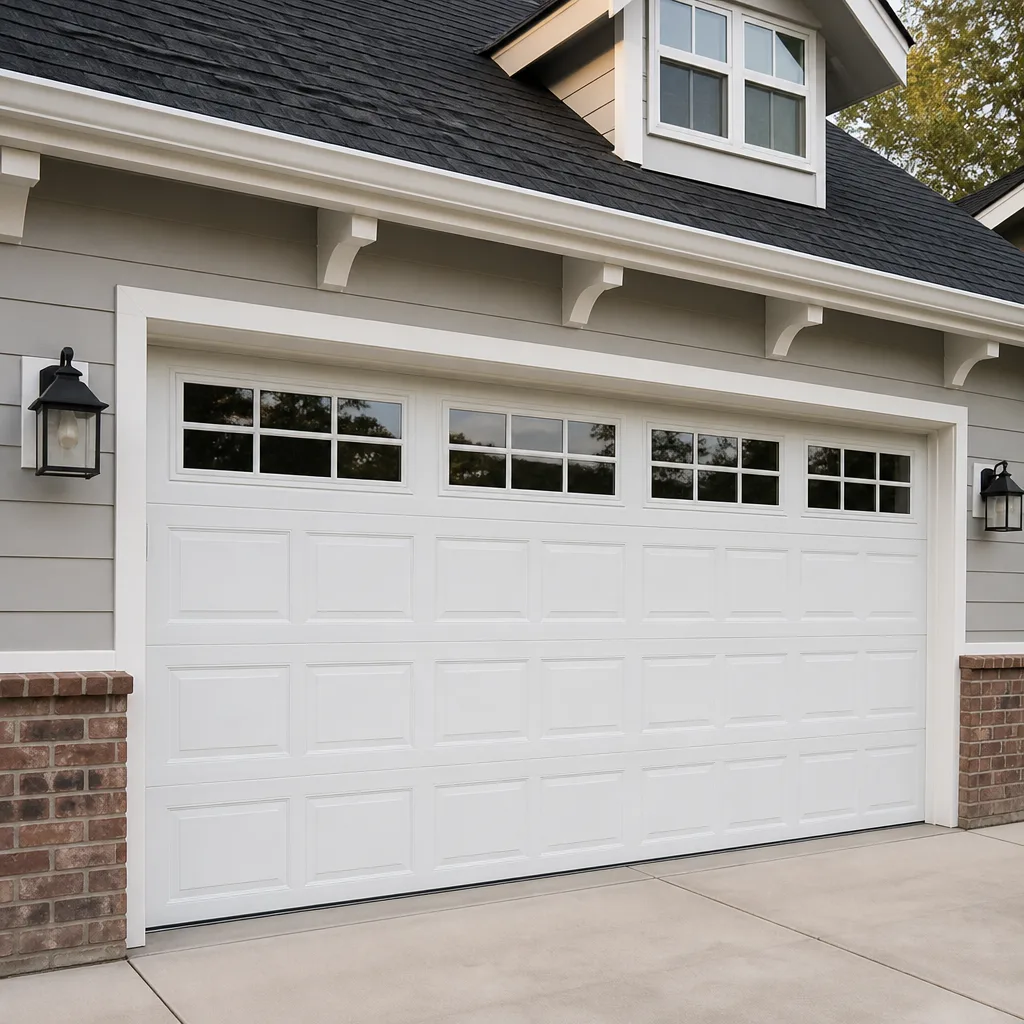
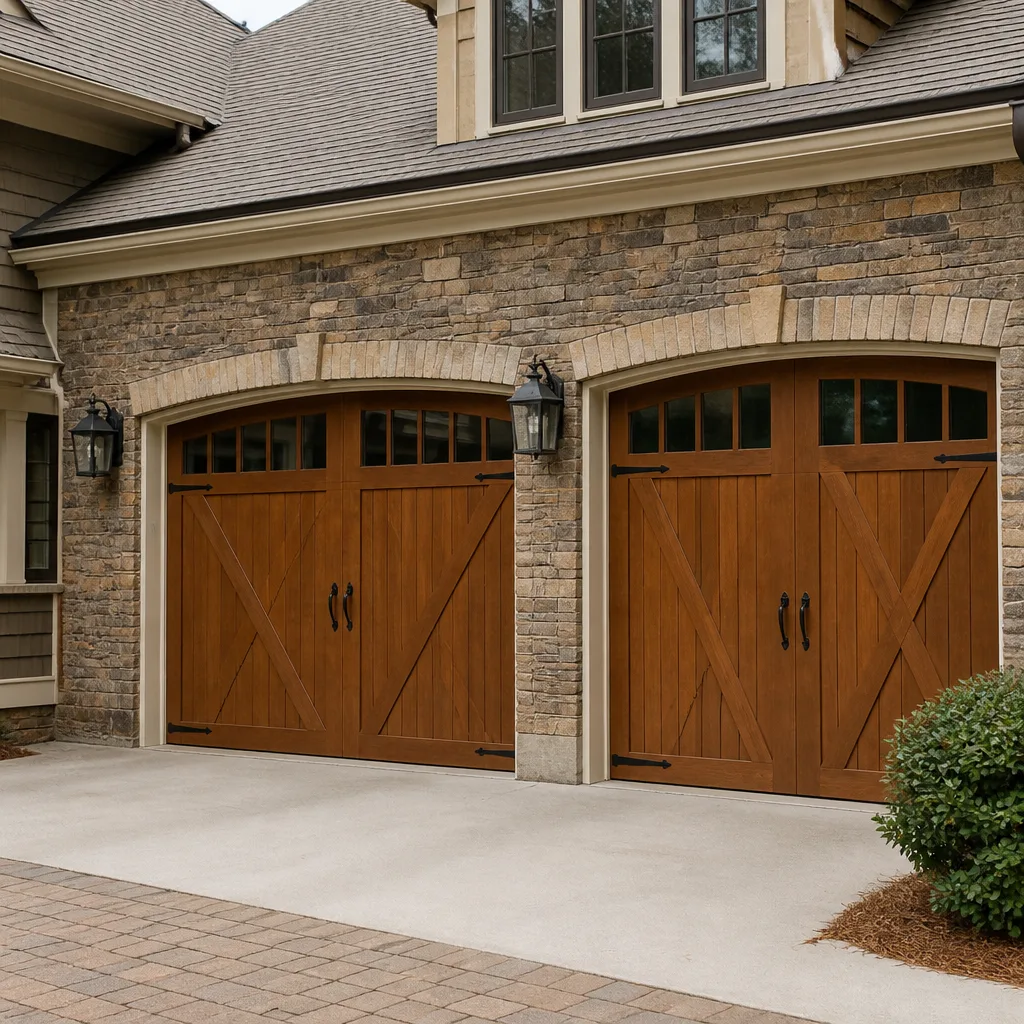 Carriage house
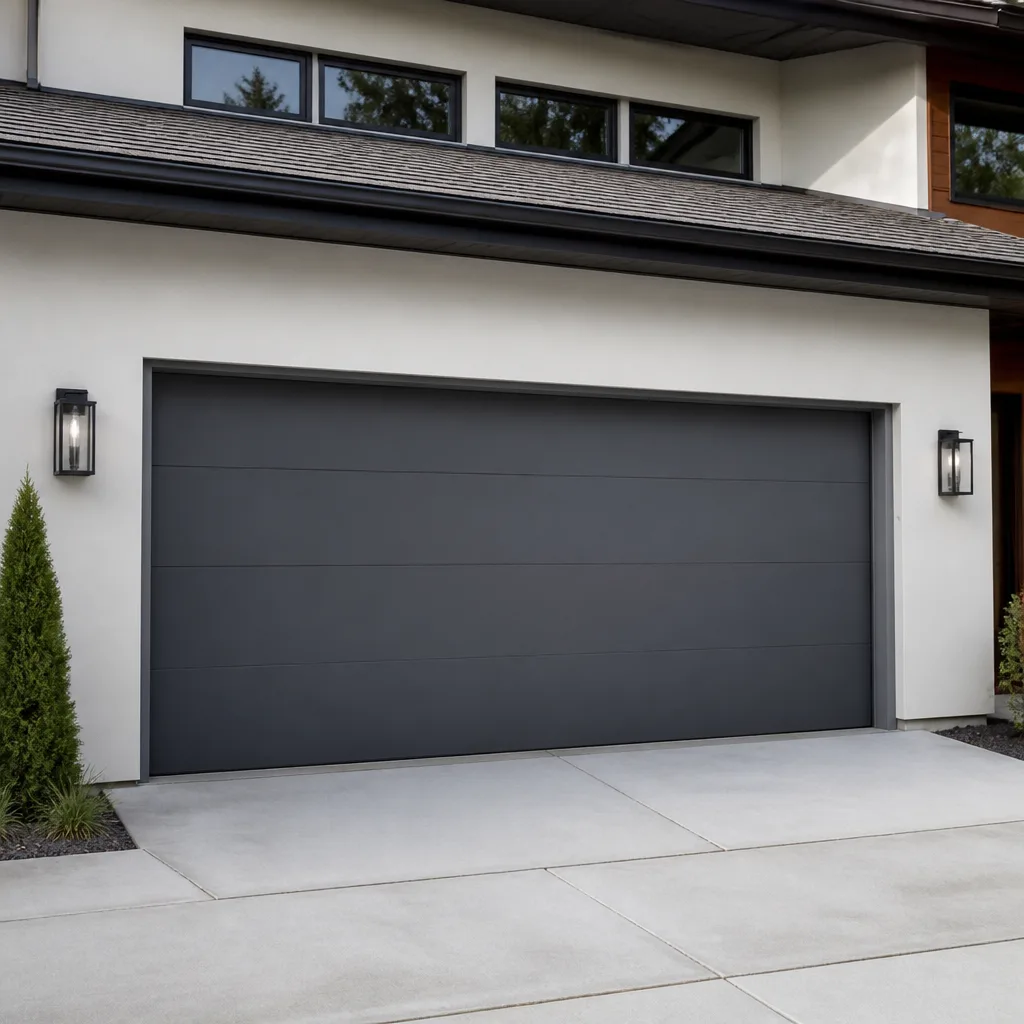 Modern flush
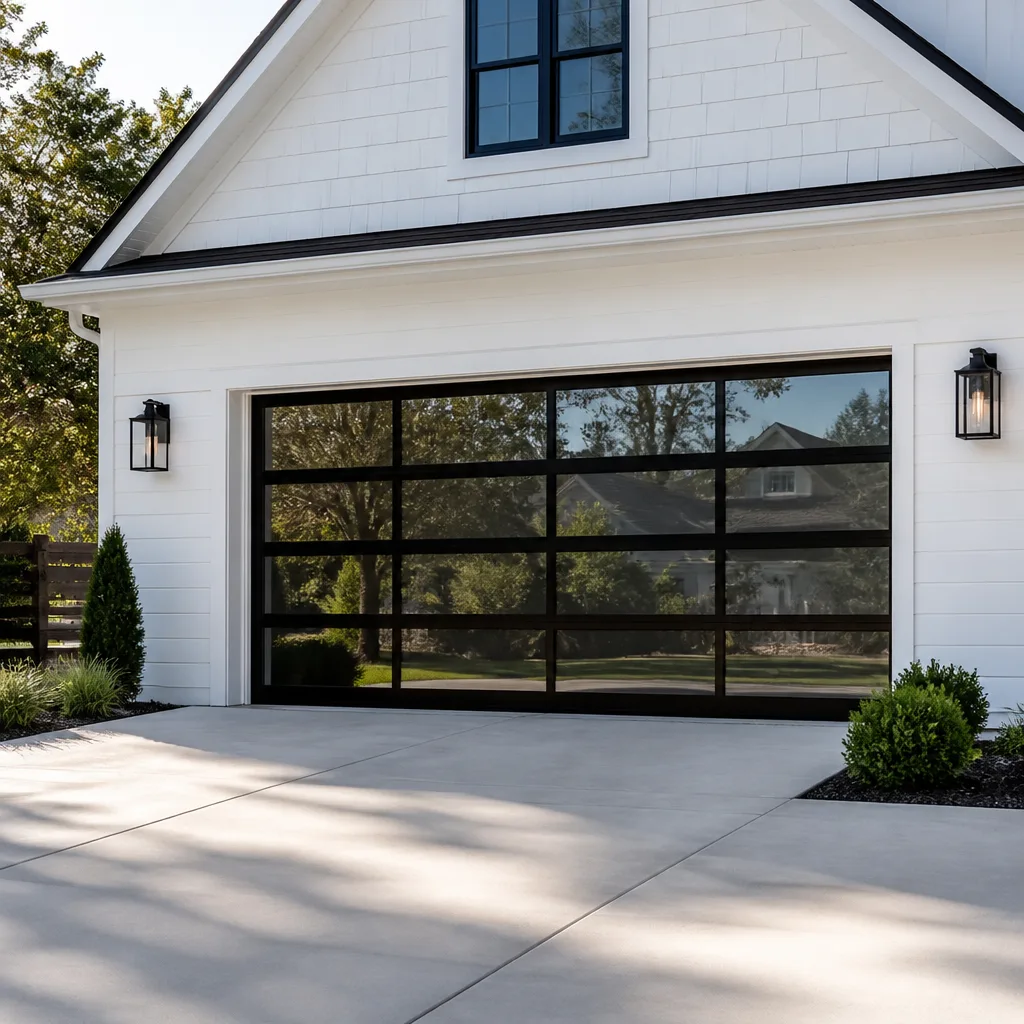 Full-view glass
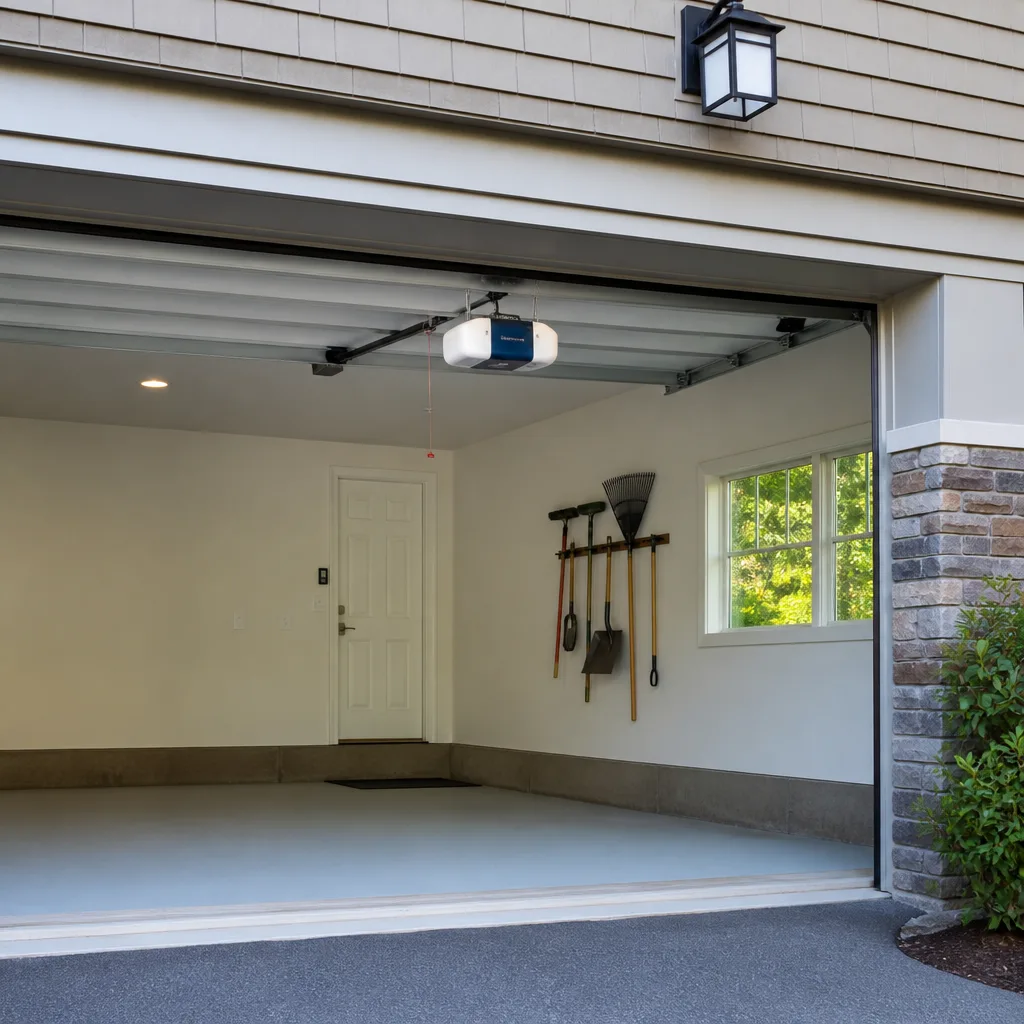
 LiftMaster openers
 Chamberlain openers
Full 25-point door and opener safety check with every visit - springs, cables, rollers, tracks, and your LiftMaster or Chamberlain opener included
You get a price before we start. It does not change when the truck arrives.
Get your free estimateGarage Door Emergency Preparedness Guide for Glendora Homes
Most Glendora homeowners worry about their garage door when it won’t open. The bigger risk is the opposite: a door that won’t open during the exact minutes you need it most. Glendora sits against the San Gabriel foothills, where Santa Ana winds push wildfire embers into neighborhoods and the Sierra Madre fault system runs close enough to make lateral shaking a real possibility. If you’ve never pulled your opener’s emergency release cord, you don’t actually know whether you can get your car out in an evacuation. This guide covers the two manual procedures that matter, the backup power systems that fail silently, and the ten-minute pre-season check that changes your odds.
Styles & brands we work with
- Raised-panel steel
- Carriage house
- Modern flush
- Full-view glass
- LiftMaster openers
- Chamberlain openers
Quick Answer
Garage door emergency preparedness in Glendora comes down to three things: testing your manual release cord twice a year, verifying your opener’s battery backup actually holds a charge, and making the door-open-versus-closed decision before an evacuation order arrives. None of these take more than ten minutes total once you know the procedure for your specific opener model.
Table of Contents
- Why Glendora’s Geography Changes the Equation
- The Manual Release: Your Primary Backup in Every Emergency
- Battery Backup Systems: What Actually Works and What Doesn’t
- Earthquake Response: What Lateral Shaking Does to Your Door
- Fire Evacuation Protocol: Open, Closed, and Why You Decide Now
- The 10-Minute Pre-Season Checklist for Fire and Earthquake Readiness
- Common Mistakes to Avoid
- When to Call a Professional
- Frequently Asked Questions
Why Glendora’s Geography Changes the Equation
Glendora is not a generic suburb when it comes to garage door risk. The city’s northern edge climbs into the Angeles National Forest, placing neighborhoods like Gordon Highlands and the streets above Sierra Madre Avenue directly against wildland fuel. During the 2020 Bobcat Fire, evacuation warnings reached the city’s northern boundary, and residents throughout the foothill corridor got a crash course in exactly how quickly a garage door becomes a life-safety device. The power goes out. The opener’s remote stops working. You’re standing in a dark garage trying to remember where the red cord is. Some Glendora residents discovered their battery backup openers hadn’t been tested in years and the batteries were dead. The manual release cord was right there, but they’d never pulled it and didn’t know where it was in the dark.
The second risk is seismic. The Sierra Madre fault zone runs along the base of the San Gabriel Mountains, passing close enough to Glendora that a significant rupture would produce the kind of lateral shaking that twists garage door tracks and misaligns the door in its guides. A door that’s jammed after an earthquake isn’t just inconvenient. It can trap your car inside the garage at precisely the moment you need to check on family members or move to open ground. Our Garage Door Repair in Glendora calls after seismic events almost always involve track alignment issues that homeowners didn’t recognize until the opener started straining.
Neither scenario is theoretical here. The preparation steps below apply to every door and opener brand, but the urgency is specific to living against a mountain front with a fault line under it.
The Manual Release: Your Primary Backup in Every Emergency
Every automatic garage door opener installed in the last fifty years has a manual release mechanism, typically a red cord hanging from the trolley that connects the door to the drive rail. Pulling this cord disengages the trolley from the drive chain, belt, or screw, so you can lift the door by hand. The catch is that the cord location and the way you operate it differ by opener brand and drive type. Glendora homes overwhelmingly have one of three systems: LiftMaster belt-drive openers, Chamberlain chain-drive openers, or Genie screw-drive openers. Here is exactly what to do for each.
LiftMaster Belt-Drive Openers
- Locate the red emergency release cord. On LiftMaster belt-drive models, it hangs from the trolley assembly, which sits on the rail directly above the door when the door is closed. The cord is usually red with a plastic T-handle.
- Pull the cord straight down, firmly. Do not pull it at an angle. You’ll hear a distinct click as the trolley releases from the belt carriage.
- Lift the door manually. A properly balanced door should lift smoothly with one hand and stay up at chest height. If it feels heavy or wants to slam down, the torsion springs need attention, which matters for emergency readiness as much as for daily use.
- To re-engage after the emergency, pull the cord again while the opener is running, or use the release lever on the trolley to reattach it to the belt carriage.
Chamberlain Chain-Drive Openers
- The red release cord on Chamberlain chain-drive models hangs from the same trolley location, but the re-engagement mechanism is slightly different. You’ll see a small lever or pull-tab on the trolley body itself.
- Pull the cord straight down with a firm, quick motion. The trolley will separate from the chain carriage with an audible snap.
- With the door disconnected, test it manually. If it binds or scrapes in the tracks, note where the resistance is. That tells you whether the problem is the door or the opener, which matters when you’re deciding what to fix after the emergency passes.
- To reconnect, pull the release lever toward the door while the opener carriage moves, or pull the cord again and manually guide the trolley until it clicks back onto the chain carriage.
Genie Screw-Drive Openers
- Genie screw-drive models put the release cord in the same general area, hanging from the trolley that rides on the threaded screw rail. The cord is often shorter than on belt or chain models, so it can be harder to spot in a dark garage.
- Pull the cord straight down. On Genie units, the release lever rotates forward as the trolley disengages from the screw drive.
- Operate the door by hand. Screw-drive doors sometimes feel stiffer initially because the trolley still rides on the screw, but the door itself should move freely once you get it past the first few inches of travel.
- Re-engage by moving the release lever back toward the door while the opener is in motion, or by pulling the cord again and letting the lever snap back into place.
The critical point here is practice. In a power outage at night, fumbling for a cord you’ve never pulled wastes minutes you may not have. We recommend pulling the release once every six months, lifting the door halfway, and letting it back down. That single test confirms three things: the release works, the door is balanced, and you can find the cord without looking.
Battery Backup Systems: What Actually Works and What Doesn’t
Battery backup openers sold in California are supposed to provide garage door operation during a power outage. The reality, based on service calls we’ve handled across the Glendora area, is that many homeowners assume the backup is working and never test it. A backup battery that’s been sitting for three years without a charge cycle will fail exactly when you need it.
Current LiftMaster and Chamberlain models with integrated battery backup use a 12-volt sealed lead-acid or lithium battery pack that sits inside the opener housing or in a separate external box mounted beside it. On a full charge, most of these units are rated for roughly 20 to 30 full open-and-close cycles, though that number drops with battery age and temperature exposure. Glendora garages get hot in summer, especially west-facing doors, and heat accelerates battery degradation. A battery that’s rated for 30 cycles when new might deliver 8 to 10 after three years in a hot garage.
The test is simple. Unplug the opener from the ceiling outlet, then press the wall button or remote. If the door operates, the battery is holding a charge. If it doesn’t, the battery pack needs replacement. Do this test at least twice a year, timed to the start of fire season in late spring and again in October before Santa Ana wind season peaks.
Genie also offers battery backup on some screw-drive models, but those are less common in Glendora homes than the LiftMaster and Chamberlain units. Whatever opener you own, the principle is the same: the backup only counts if you’ve tested it recently. If you need opener work, our Garage Door Opener Repair in Glendora service covers backup battery replacement and testing on all major brands.
One more point that catches homeowners off guard: battery backup does not override a door that’s physically off its tracks or bound by debris. After an earthquake, the opener may have power but the door won’t move because the track is twisted. That’s a mechanical problem, not an electrical one, and it’s why the manual release still matters.
Earthquake Response: What Lateral Shaking Does to Your Door
A significant earthquake produces lateral ground motion that moves the garage structure in one direction while the door and track assembly want to move in another. The result is twisted vertical tracks, pulled lag bolts, and a door that jams partway up. The damage isn’t always visible from inside the garage, because the worst misalignment often occurs at the curved section where the horizontal track meets the vertical track near the ceiling.
After a strong event in Glendora, do not immediately press the opener remote to raise the door. If the door has shifted in its tracks, powering the opener can strip the gear, bend the rail, or snap a hinge under load. The correct procedure is:
- Check for visible damage first. Look at the vertical tracks on both sides from inside the garage. Is either one bowed outward or pulled away from the wall? Are the lag bolts still seated in the framing?
- Pull the emergency release cord to disengage the opener before attempting any movement.
- Try lifting the door by hand, slowly. If it moves smoothly through the full travel, the track is aligned and the opener can be re-engaged. If it binds anywhere, stop and leave the door in place.
- Inspect the curved track sections above the door. Lateral shaking often shifts these sections inward or outward by half an inch, which is enough to pinch the rollers.
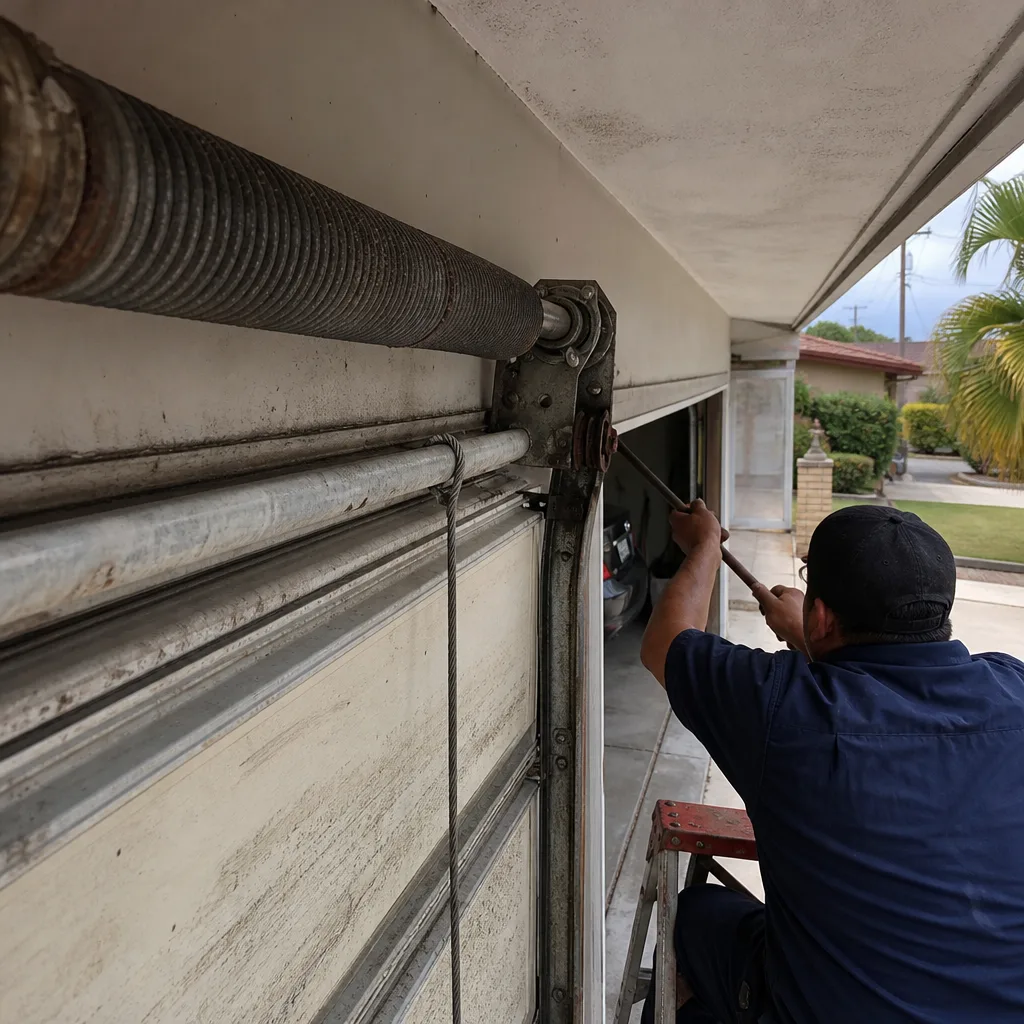
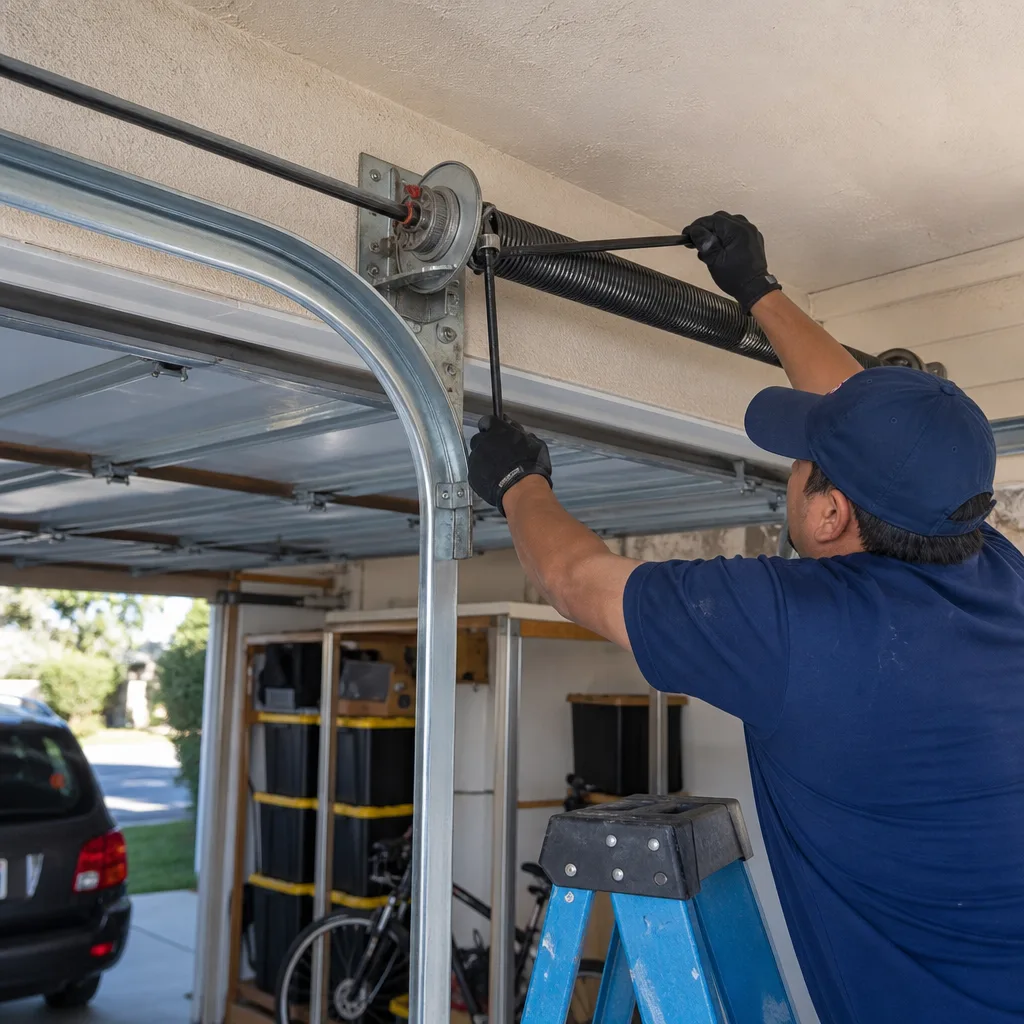
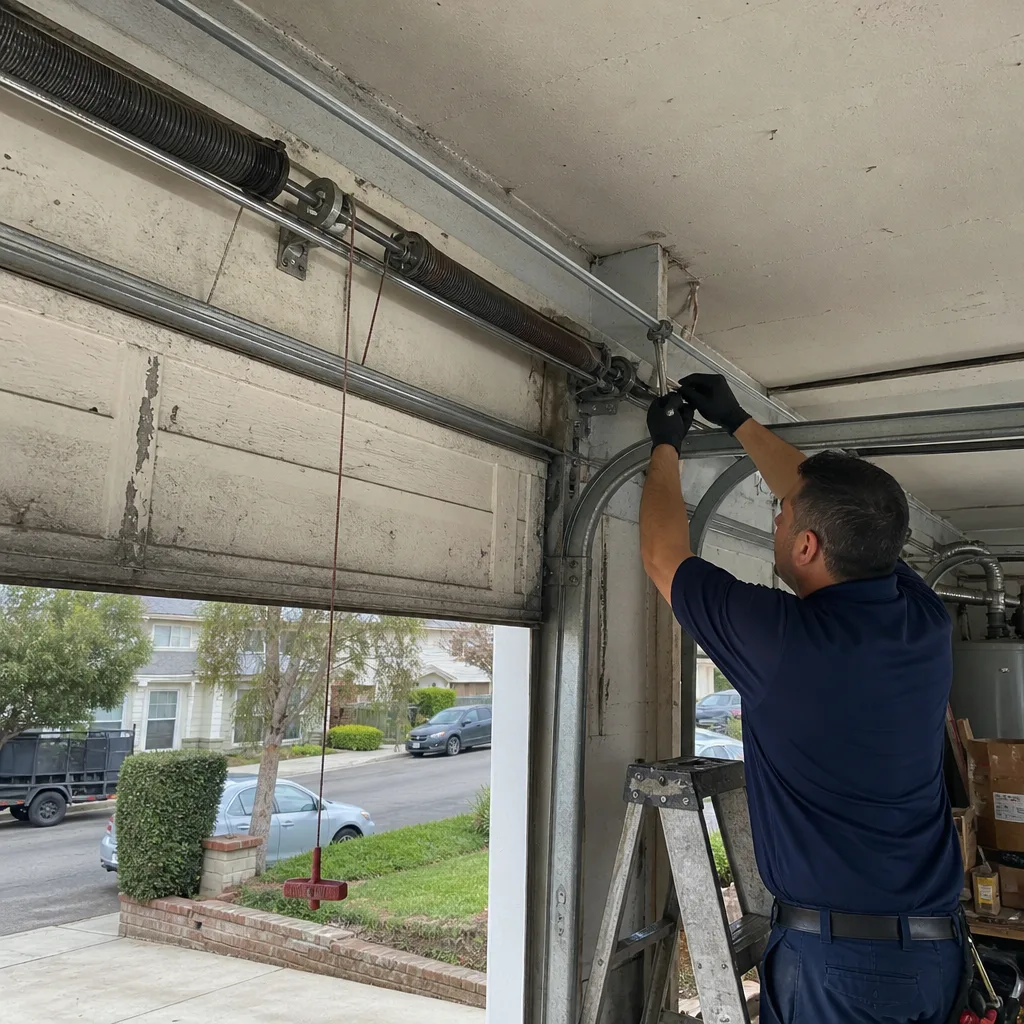
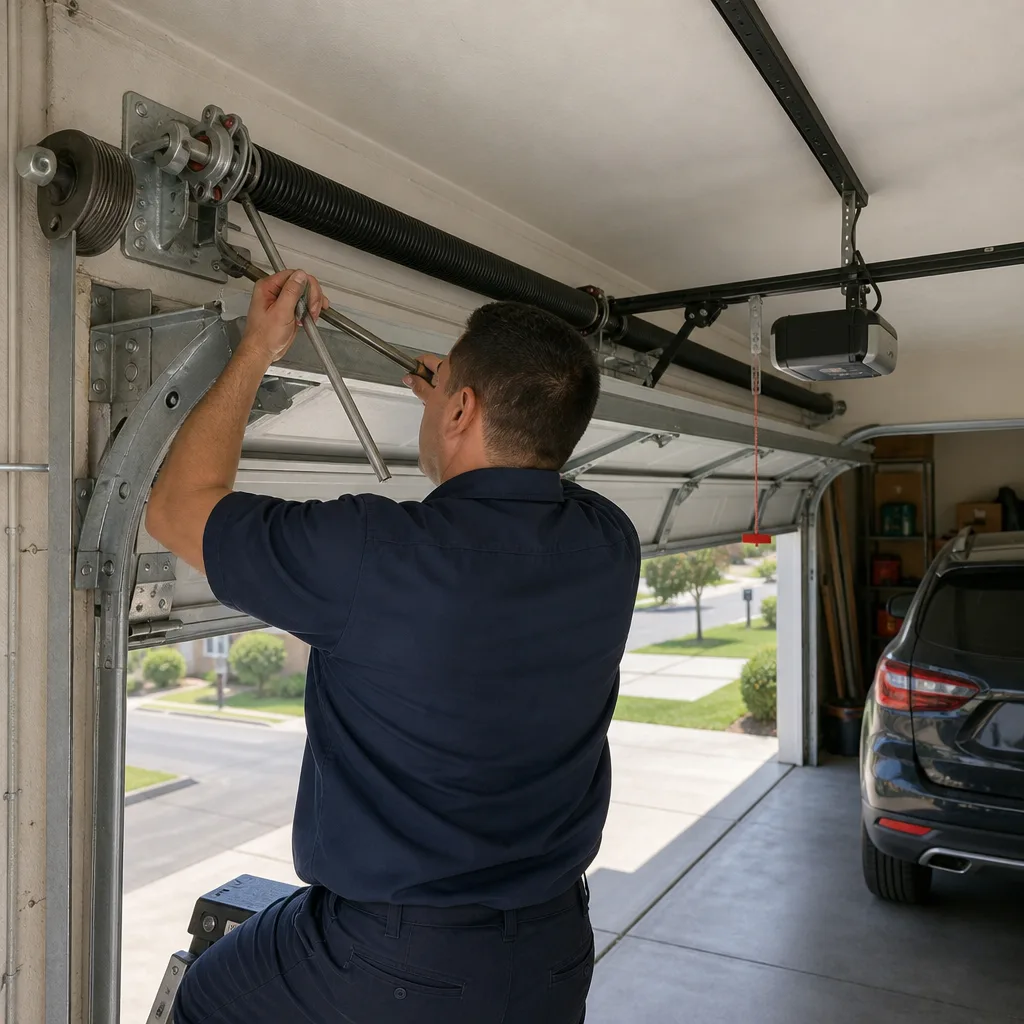
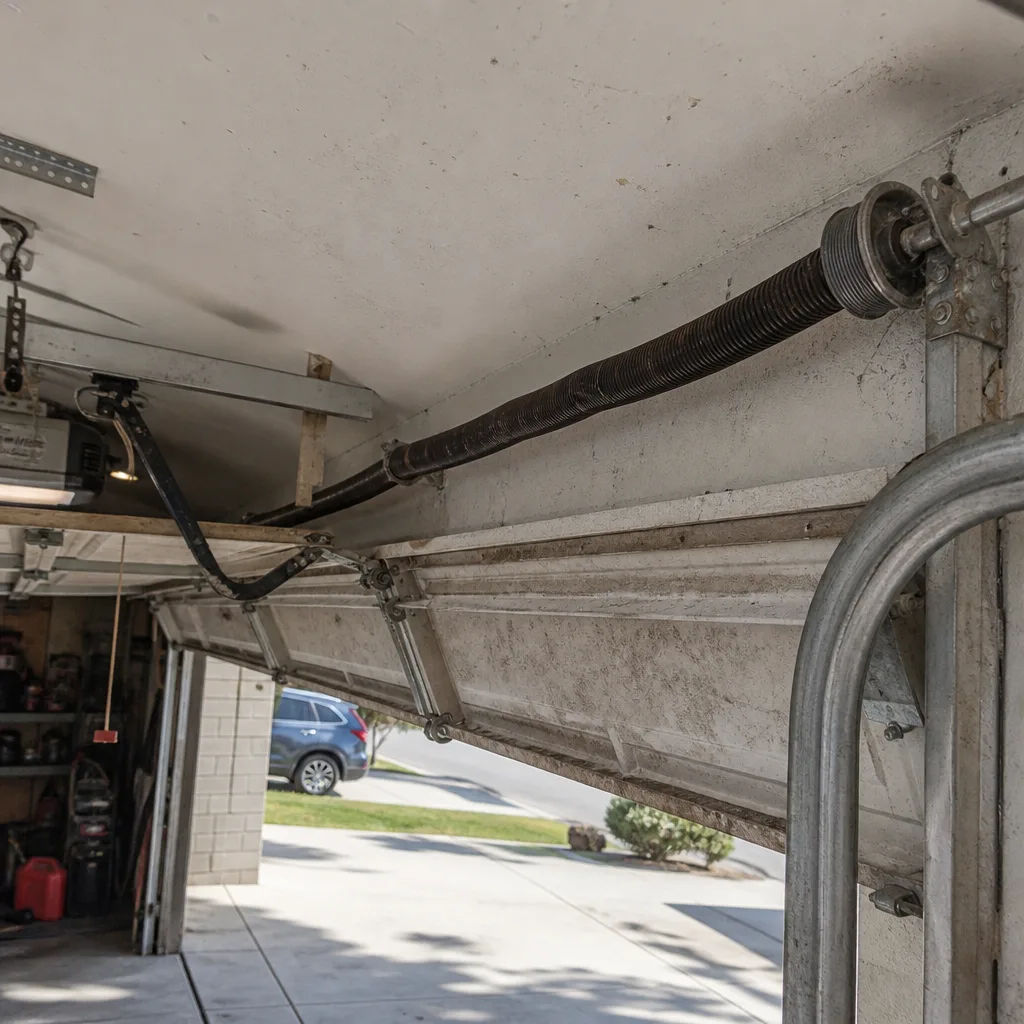
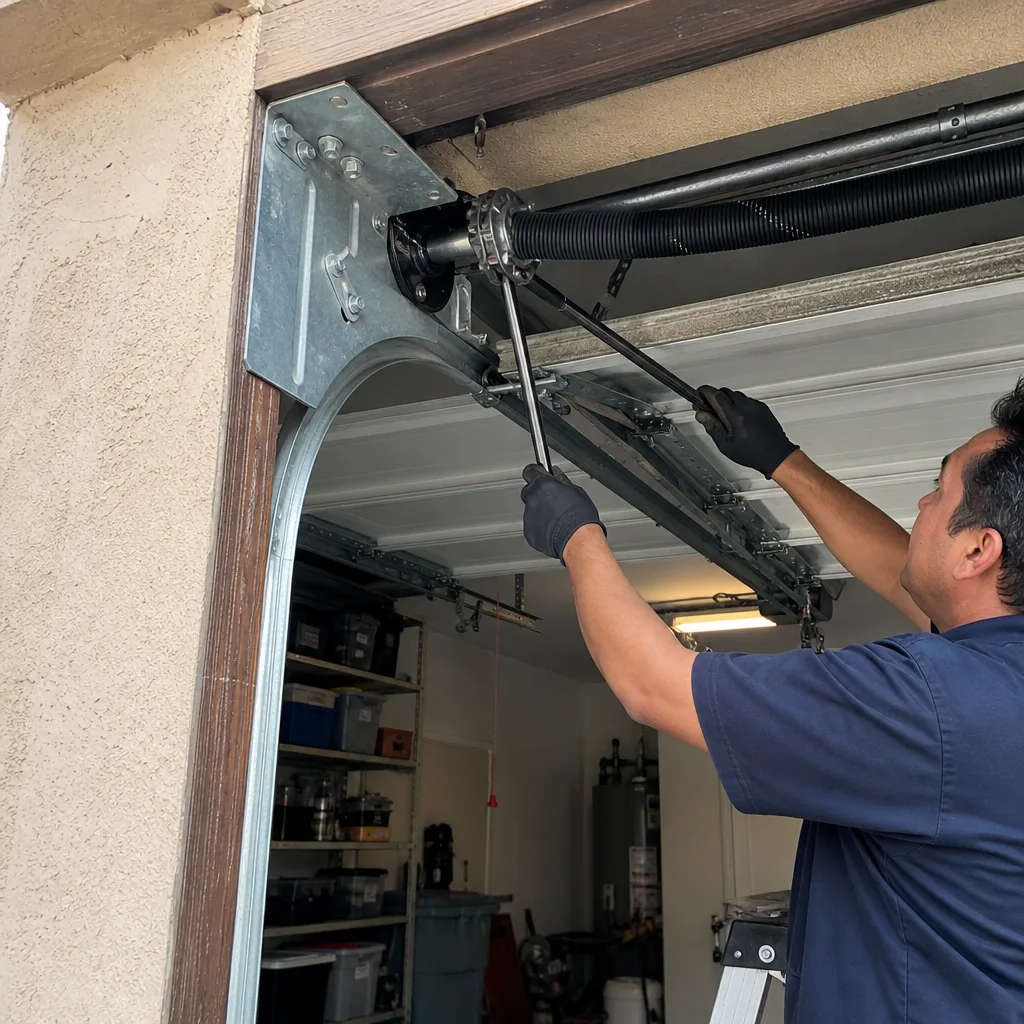
- Check the spring system. Torsion springs sit above the closed door and should look straight and evenly spaced. A leaning or separated spring indicates damage that requires professional attention, not a DIY fix.
We see noticeable earthquake damage on Glendora doors after events as small as magnitude 4.0 when the epicenter is close. The damage pattern depends on door age and installation quality. Older Wayne Dalton doors with lightweight panels tend to flex rather than bind, while heavier Amarr steel doors transmit more force into the track hardware and can pull lag bolts free from older wooden jambs. If your door binds after an event, don’t force it. Forced operation turns a minor track alignment issue into a bent panel or stripped opener gear. Our Garage Door Repair in Glendora team handles post-event track realignment and hardware replacement throughout the city, and we’ve learned that doors inspected within the first day or two after shaking are far cheaper to fix than doors that were forced to operate for a week.
Fire Evacuation Protocol: Open, Closed, and Why You Decide Now
The single most important fire evacuation decision for a Glendora homeowner is whether to leave the garage door open or closed when leaving the property. Both choices have consequences, and the right answer depends on your specific situation.
A closed garage door slows ember intrusion. During Santa Ana wind events, burning embers travel miles ahead of the fire front and accumulate against garage door edges, under weather seals, and in any gap where wind can carry them inside. A closed door, especially a steel door with intact bottom seals and side weatherstrip, gives you a meaningful barrier against those embers turning your garage into an ignition point. This is why fire-hardening guidance from agencies like Cal Fire generally treats the garage as part of the home’s exterior envelope and recommends keeping it sealed during red flag conditions.
An open garage door means you can leave on foot even if your car won’t start. During the Bobcat Fire, there were reports of cars failing to start due to heat, smoke, or weeks of sitting unused during the early pandemic period. If the garage door is already closed and the car won’t start, you have to open the door by hand under stress, which is exactly the scenario where people forget about the manual release cord. Leaving the door open removes that step, letting you exit the garage quickly on foot and move to safety.
The compromise that many Glendora residents arrive at, and one we personally recommend, is this: if you are evacuating with your vehicle, close the garage door behind you after the car is out. If you are leaving on foot or have any doubt about whether the car will start, leave the door open. And if you are not evacuating but are sheltering in place during an evacuation warning, keep the door closed until you’re ready to leave.
Make the decision before you’re in the scenario. Sit down with your family, talk through what you’ll do if an evacuation order comes, and agree on the answer. When the alert hits at 3 a.m., you don’t want to be debating door strategy while embers are landing in the driveway.
The 10-Minute Pre-Season Checklist for Fire and Earthquake Readiness
Here is a concrete, timed checklist for Glendora homeowners that takes under ten minutes and covers the mechanical preparation for both primary emergency scenarios. Do this twice a year: once in late spring before fire season, and once in October before peak Santa Ana winds.
- Test the emergency release (3 minutes). Pull the red cord on your opener, lift the door by hand, verify it moves smoothly and stays in place at the halfway point. Re-engage the opener. If the door is heavy or falling closed, your springs need adjustment before an emergency proves it to you.
- Test the battery backup (2 minutes). Unplug the opener from the ceiling outlet and press the wall button. If the door operates, the battery works. If not, replace the battery pack now, not during an outage.
- Inspect track alignment (2 minutes). Look at both vertical tracks from inside the garage. Are they straight and parallel? Are the lag bolts tight against the wall? A track that’s drifted a quarter inch will worsen under seismic shaking and can bind the door completely.
- Check weather seals (1 minute). Run your hand along the bottom seal and side weatherstrip. Gaps let embers in during a wind-driven fire. Replace cracked or shrunk rubber before fire season starts, especially if your door faces the foothills.
- Test door balance manually (2 minutes). With the opener disengaged, lift the door to waist height and let go. A balanced door stays put. One that drops has spring issues that will only get worse. A door that wants to fly up means the springs are overwound, which strains the opener and the hinges.
That’s the whole list. Most Glendora homeowners report it taking between 8 and 12 minutes the first time, and under 10 every time after. The point is that emergency readiness for your garage door is not a project. It’s a habit, and it works better than any amount of last-minute scrambling.
If the checklist reveals a problem, don’t put it off. A door that won’t pass the manual balance test is a door that may fail during an evacuation, and the repair is almost always less expensive than the emergency it prevents. We work on every major brand found in Glendora, including LiftMaster, Chamberlain, Genie, Clopay, Amarr, Wayne Dalton, Craftsman, and Raynor, so whatever system is on your house, we can diagnose and fix it. For anything beyond routine maintenance, our Garage Door Service Glendora home team offers free estimates and brand-agnostic service.
Common Mistakes to Avoid
- Never testing the manual release until you need it. The cord is always there, but knowing where it is in the dark, under stress, with the power out, is a different skill than knowing it exists. Pull it twice a year so the motion becomes automatic.
- Assuming the battery backup works because the opener is new. Batteries fail on their own schedule, especially in hot Glendora garages. A two-year-old opener with a dead backup is common enough that we check backup function on every service call involving an opener.
- Forcing a jammed door after an earthquake. The urge to get the car out is strong, but powering a misaligned door through a bind strips gears and bends panels. Pull the release and test by hand first.
- Leaving battery backup testing for “later.” Fire season doesn’t wait for a convenient weekend. The ten-minute checklist fits into a Saturday morning; the two weeks of inaccessible garage during a Red Flag warning don’t fit into anything.
- Ignoring a door that’s heavy to lift manually. A door that strains your back to raise has failing or unbalanced springs. That’s not a minor issue, because it means the opener is doing the spring’s work and will wear out faster. In an emergency requiring manual operation, it matters even more.
- Replacing a whole door when a track or part is the problem. After an earthquake or storm, homeowners sometimes assume the door is ruined when the real issue is a bent track or pulled lag bolt. Repair-first diagnosis saves money and keeps a perfectly good door in service.
When to Call a Professional
Some emergency preparedness issues are signs of real mechanical failure that needs a trained hand. Call a professional if your door won’t hold position when lifted manually, if the tracks show visible bowing or separation after an earthquake, if you hear grinding or popping during operation, or if the spring system looks asymmetric or corroded. Torsion springs carry dangerous stored tension, and replacing them without the correct tools and technique can cause serious injury. The same applies to cables that show fraying or have come off their pulleys. These are not homeowner repairs. Garage Door Installation in Glendora work is also worth professional handling when a door has reached the end of its service life, but that’s a scheduled project, not an emergency response. Garage Door Service Glendora offers free estimates in Glendora, call (855) 382-3042.
Frequently Asked Questions
Pull the red emergency release cord hanging from the trolley on your opener rail, which disengages the door from the drive mechanism, then lift the door by hand. The exact cord location varies by opener type: LiftMaster belt-drive and Chamberlain chain-drive models place it on the trolley above the door, while Genie screw-drive units use a shorter cord in the same area. A balanced door should lift smoothly with one hand. If yours doesn’t, the springs need attention before you need to rely on manual operation in an emergency.
Only if you have a battery backup system installed and it’s been tested recently. Current LiftMaster and Chamberlain models with integrated backup provide roughly 20 to 30 open-and-close cycles on a full charge, but that number drops with battery age and heat exposure, which is a factor in Glendora’s hot summer garages. Test the backup by unplugging the opener and pressing the wall button; if the door moves, the battery works. If not, replace the battery pack before fire season.
Close the garage door behind you if you’re leaving in your vehicle, because a sealed door slows ember intrusion and reduces the chance of the garage becoming an ignition point. Leave the door open if you’re evacuating on foot or aren’t sure your car will start, since a closed door adds an extra step to your exit. Discuss this decision with your household before an evacuation happens so no one has to make it under stress.
Do not press the opener remote. Pull the emergency release cord first, then try lifting the door by hand. Lateral shaking often twists the vertical or curved track sections, and forcing the opener to fight a binding door strips gears and bends panels. Inspect the tracks for bowing, check that lag bolts are still seated in the framing, and if the door binds anywhere in its travel, leave it in place and call for service.
Twice a year, timed to the start of fire season in late spring and again in October before Santa Ana wind season peaks. Both tests together take about five minutes and confirm that you can operate the door without power and that the backup battery still holds a charge. Regular testing also gives you early warning of spring imbalance or track misalignment before either becomes a bigger problem.
Most homeowners can perform the basic preparedness checks themselves at no cost, since testing the manual release, battery backup, and track alignment takes about ten minutes total and needs no special tools. If those checks reveal a problem like unbalanced springs, binding tracks, or worn hardware, repair pricing varies by the specific issue and brand of door. Call (855) 382-3042 for a free estimate, and the price is quoted and agreed before any work starts.
The Bottom Line
Glendora’s position against the San Gabriel foothills makes garage door emergency preparedness a practical necessity under California codes, not a theoretical exercise. The two procedures that matter most are testing your manual release cord and verifying your battery backup, and both take less than five minutes combined when you know your opener’s specific mechanism. Do the pre-season checklist twice a year, decide your open-versus-closed evacuation policy in advance, and inspect your tracks and springs after any significant earthquake before you touch the opener button. A garage door that works when you need it is the result of habit, not hope, and the ten minutes you invest now are cheap insurance against the day you can’t afford to be stuck.
Written by the team at Garage Door Service Glendora, serving Glendora since 2014.
See the difference
 Before
 After
 Before
 After
 Before
 After